

Welcome to my Blog
This blog is for life partners who suspect their relationship problem is not just communication, compatibility, or stress.
It may be a repeating system. These essays explain the patterns. Effective clinical work interrupts them.
Most folks don’t arrive here because something dramatic has happened.
They arrive because something feels… different.
The relationship still works. Conversations still happen. Life continues.
But something important is no longer organizing it the way it used to.
This space is where I write about that shift.
Not just what breaks relationships—but what quietly changes them:
how desire adapts.
how attention moves.
how meaning erodes or deepens over time.
These patterns are not random.
They tend to unfold in a predictable sequence.
If you’re here, you’re likely in one of those moments:
trying to understand what changed.
trying to decide whether it matters.
trying to figure out what to do next.
Start anywhere.
But if something here feels familiar, don’t treat it as abstract.
It usually isn’t.
Where to Begin
If you’re not sure what you’re looking for, these are a few good entry points:
Marriage Is Still Chosen — Even by Those Who Once Stood Outside It.
Epistemic Safety: What It Is and Why It Matters in Relationships.
The Relationship Consequences of Living in a Permanent News Cycle.
The Two Types of People Narcissists Avoid (And Why You Might Be One of Them).
When Narcissists Grieve: Why Their Mourning Looks Cold, Delayed, or Self-Centered
The 3-6-9 Dating Rule: Why Most Relationships Change at Month 3, 6, and 9.
The First Listener Shift: A Precise Relationship Diagnostic Most Couples Miss.
Why Curiosity Is Sacred in Relationships (And What Happens When It Disappears).
If You’re Looking for More Than Insight
Understanding is useful.
But at a certain point, most couples realize they can explain their relationship clearly—and still not change it.
That’s where focused work becomes effective.
I offer structured, high-impact couples intensives designed to produce meaningful movement in a compressed period of time.
Before We Decide Anything
A brief consultation helps determine:
whether this is what you’re dealing with.
whether this format fits.
and whether we should move forward.
Get a Clear Read on Your Relationship
Take your time reading.
But if something here lands in a way that feels specific—pay attention to that.
That’s usually where this work begins.
Continue Exploring
If you prefer to browse more broadly, you can explore posts by topic below.
But most people don’t find what they need by browsing.
They find it when something they read feels uncomfortably accurate.
Be Well, Stay Kind, and Godspeed.
~ Daniel
- Attachment Issues
- Coronavirus
- Couples Therapy
- Extramarital Affairs
- Family Life and Parenting
- How to Fight Fair
- Inlaws and Extended Families
- Intercultural Relationships
- Marriage and Mental Health
- Married Life & Intimate Relationships
- Neurodiverse Couples
- Separation & Divorce
- Signs of Trouble
- Social Media and Relationships
- What Happy Couples Know
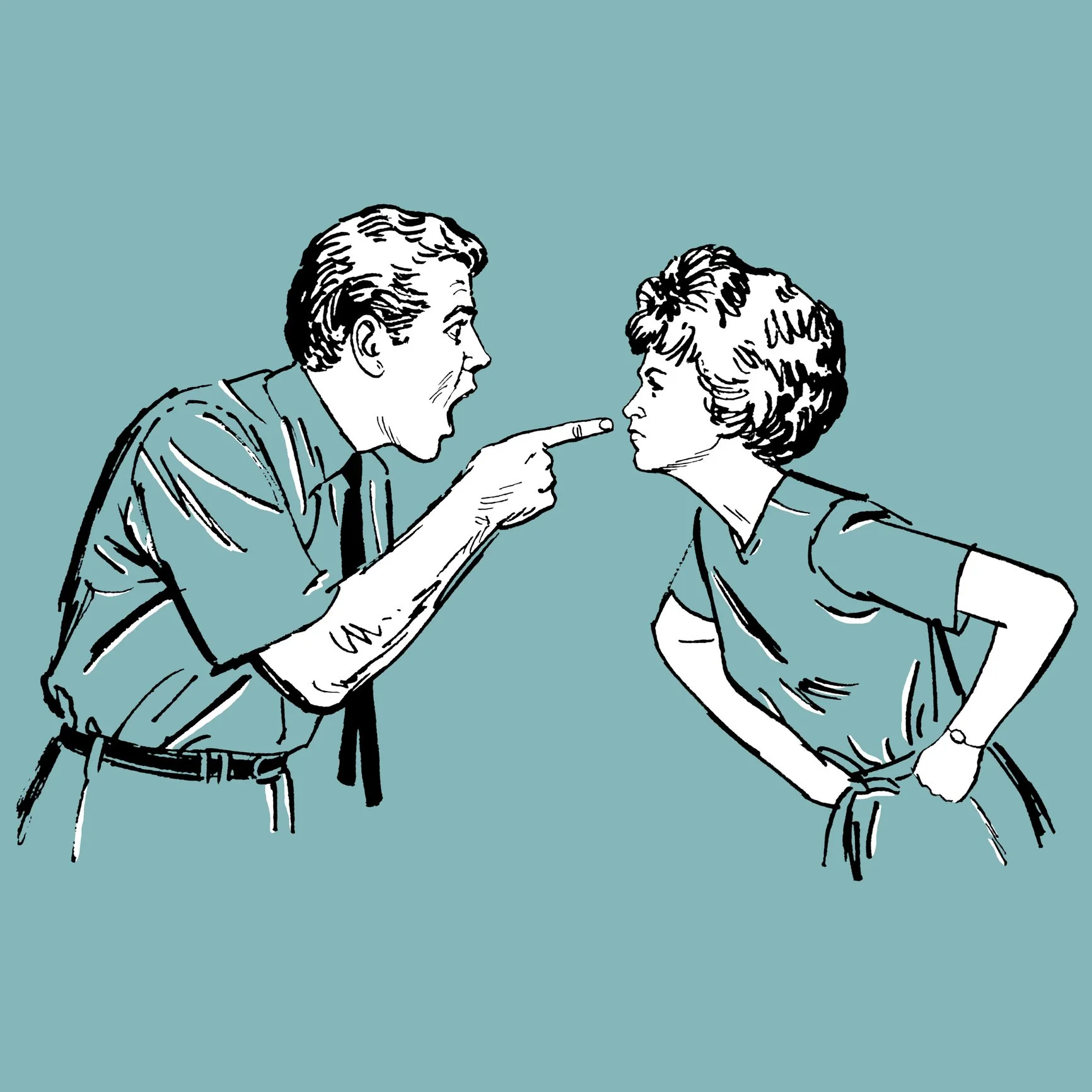
What Emotionally Intelligent Couples Misunderstand About Gridlock
Some couples arrive with a peculiar kind of exhaustion. Not theatrical exhaustion. Not broken-dishes exhaustion. Educated exhaustion.
They have read the books.
They have listened to the podcasts.
They know their attachment styles, their trauma responses, their nervous system vocabulary, and the approximate location of every childhood wound still operating like an unpaid intern in the marriage.
“We understand the pattern,” they say.
And they often do.
That is the problem.
Many emotionally intelligent couples misunderstand gridlock because they confuse insight with interruption.
They assume that once a pattern has been named, the relationship should begin to change.
But couples research, attachment theory, and the study of implicit relational learning all point to something less flattering and more useful: under stress, partners often revert to rehearsed emotional sequences faster than conscious insight can stop them.
The Boston Change Process Study Group’s work on implicit relational knowing distinguished between conscious verbal understanding and implicit procedural relational knowing—the kind of “knowing” stored in patterns of action, timing, tone, expectation, and response.
Insight is not interruption.
That sentence may explain half the marriages in North America.
When Love Became a Nervous System: How Attachment Culture Changed Modern Relationships
A woman in yoga pants is whispering into her phone in the parking lot outside Target.
“I just think he’s emotionally avoidant.”
Twenty years ago she would have just said:
“He never talks.”
That is the shift.
The language of therapy escaped the therapist’s office and entered ordinary life.
Now everyone appears to possess a partial graduate education in Attachment Theory acquired through social media, heartbreak, podcasts, and twelve hours on Reddit at two in the morning.
“He’s avoidant.”
“She’s anxious.”
“That’s disorganized attachment.”
“My nervous system no longer feels safe.”
Attachment Theory is no longer functioning merely as developmental psychology.
It is now:
dating shorthand.
identity language.
moral language.
status language.
emotional explanation.
social sorting.
Couples increasingly understand love psychologically instead of morally.
Many life partners slowly become experts in each other’s attachment injuries, while losing the ability to make each other feel loved.
That is one of the quiet tragedies of modern intimacy.

The Three Hares Motif: Why Three Rabbits Running in a Circle Still Haunt Human Imagination
There are symbols that belong to history, and then there are symbols that seem to move underneath history like underground rivers.
The three hares motif belongs to the second category.
Three hares chase one another in a circle.
Each shares an ear with the next so that there are only three ears total, though each animal appears to possess two.
The image is mathematically elegant and psychologically strange.
It looks less designed than discovered, as though someone stumbled upon it while half-dreaming beside a fire eight hundred years ago and immediately understood it mattered.
Then it began appearing everywhere.
In Buddhist cave temples in China.
In Islamic decorative art.
In medieval churches in England.
In synagogues.
In manuscripts.
In carved ceilings and hidden architectural corners across civilizations that supposedly should not have been speaking to one another with quite this degree of symbolic intimacy.
Nobody entirely agrees on what it means.
That is precisely why it survived.

Does Romantic Rejection Hurt More Than Friendship Rejection? A New Study Says Maybe Not
Romantic rejection has a branding department.
Friendship rejection does not.
Romantic heartbreak receives orchestral soundtracks, Oscar nominations, monologues delivered in the rain, and approximately 84% of the music industry.
Friendship rejection, meanwhile, is treated like an unfortunate scheduling conflict.
Society reacts to the end of a friendship with the emotional urgency usually reserved for learning someone switched toothpaste brands.
This is strange, because a new study published in the European Journal of Social Psychology suggests the nervous system may not distinguish nearly as dramatically between romantic and platonic rejection as modern culture does.
The study, led by Natasha R. Wood of Leiden University, found that while people predictedromantic rejection would hurt more, actual emotional responses to rejection were remarkably similar whether the rejection came from a potential romantic partner, a prospective friend, or even a stranger.
Which is psychologically fascinating and culturally inconvenient.
Because modern adulthood has quietly transformed romantic desirability into a kind of emotional credit score.
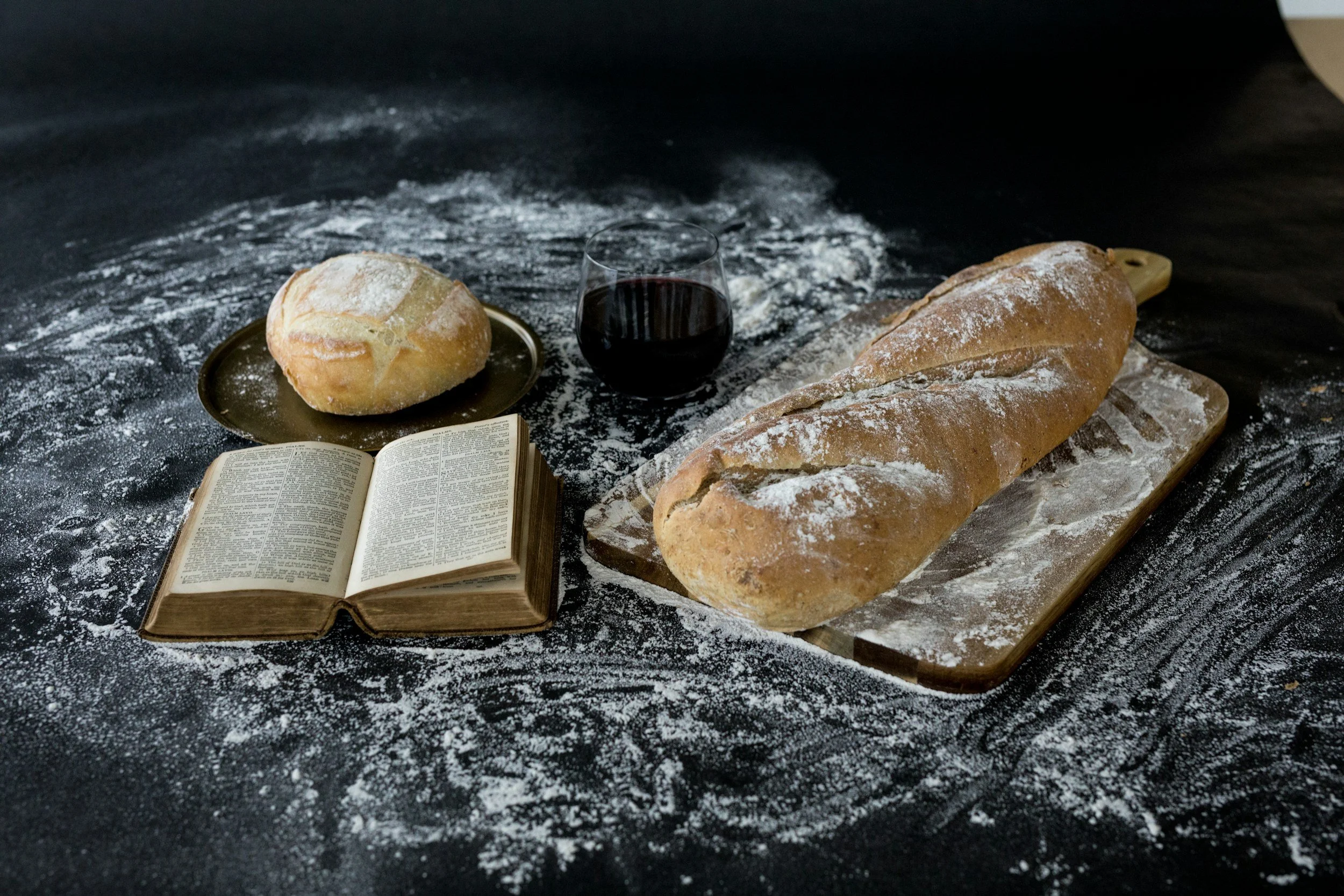
Why Wellness Culture Is Becoming A Replacement Religion
Modern Americans increasingly use food the way earlier civilizations used liturgy.
Not entirely consciously, of course.
Nobody stands in Whole Foods holding artisanal bone broth whispering, “At last, a coherent metaphysical framework.” People still think they are discussing inflammation.
But underneath the endless conversations about seed oils, raw milk, gut health, fasting windows, sourdough fermentation, protein optimization, ancestral diets, carnivore protocols, liver capsules, glucose spikes, adaptogens, “toxins,” and biblical eating plans, something much larger is unfolding.
Folks are just trying to reconstruct meaning.
A recent piece in The New York Times explored the rise of “biblical eating,” an online movement centered around consuming foods mentioned in scripture — fish, minimally processed foods, raw dairy, homemade breads, locally sourced ingredients, fasting practices, and forms of dietary simplicity presented as spiritually aligned living.
At first glance, it looks like just another wellness trend.
It is not.
It is a significant cultural signal.

When Narcissists Think God Owes Them Special Favors
There are those who approach religion with humility, uncertainty, gratitude, and the uncomfortable awareness that they are not the center of existence.
And then there are some folks who approach religion like they are negotiating upgraded seating with the universe.
The distinction matters.
Because one of the more interesting findings emerging from personality psychology is that narcissism does not necessarily make people less religious.
In some cases, it may simply reorganize religion around the needs of the self.
A recent study published in Personality and Individual Differences found that narcissistic traits were associated less with deeply internalized faith, and more with forms of religious engagement driven by emotional regulation, status, entitlement, and external rewards.
That finding clarifies something many people have observed privately for years.
Some people use religion to become less self-centered.
Others use it to become spiritually decorated versions of exactly who they already are.
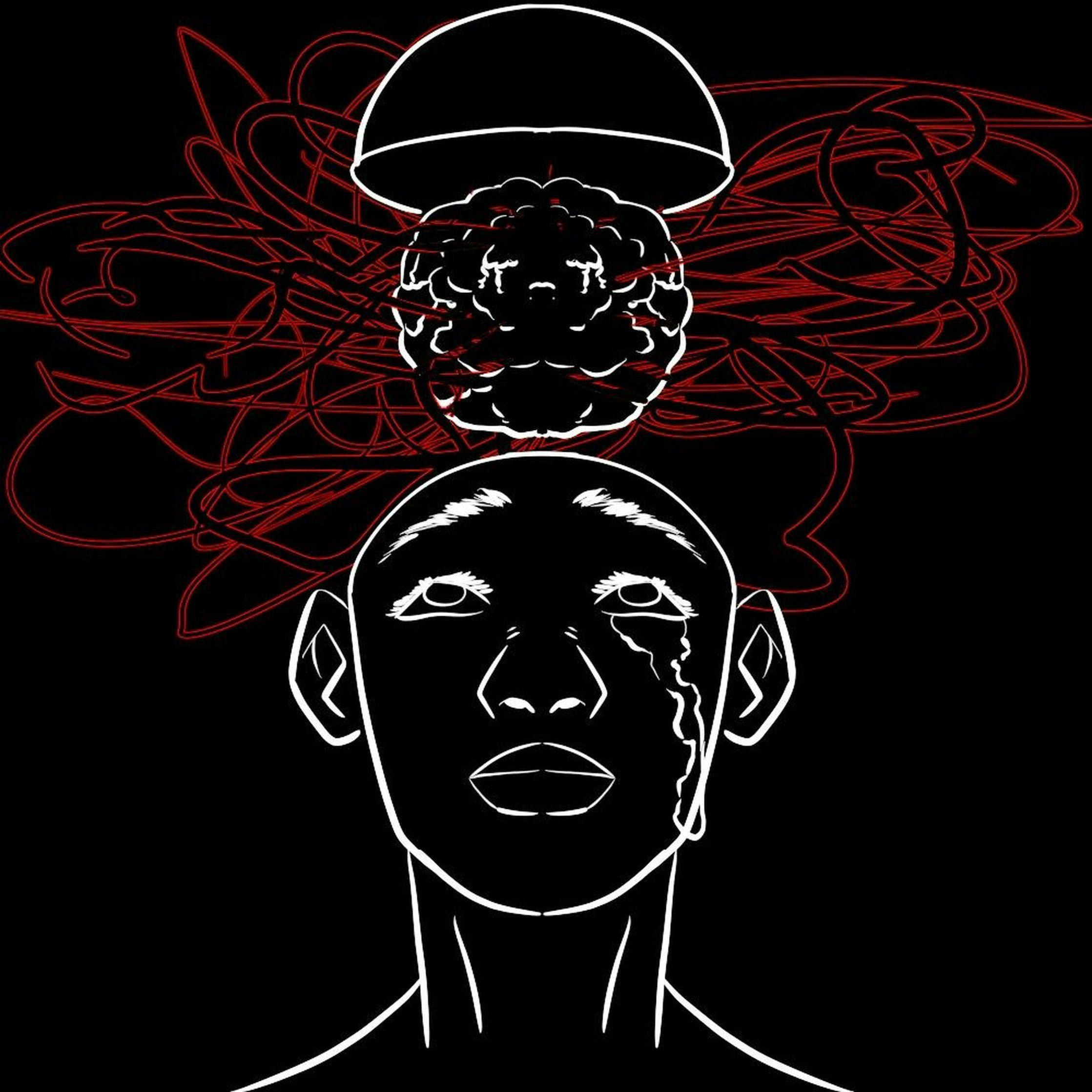
Why Thinking Hard Feels Bad: Doubt, Relationships, and the Emotional Cost of Becoming More Honest
Human beings often mistake the emotional pain of reconsidering themselves for evidence that reconsideration is dangerous.
Some forms of suffering are not signs of damage.
They are signs that the mind is trying to reorganize itself.
This is an uncomfortable idea to introduce into modern culture because modern culture increasingly treats discomfort itself as suspicious.
If something feels destabilizing, effortful, confusing, emotionally abrasive, or identity-threatening, many people assume something has gone wrong.
Relief is pursued almost automatically. We scroll. We diagnose. We explain ourselves prematurely. We convert uncertainty into slogans before uncertainty has had time to deepen into thought.
But recent research published in Thinking & Reasoning suggests something therapists, teachers, philosophers, and honest spouses have quietly known for a very long time: the emotional discomfort of doubt may actually help trigger deeper thinking.
And that matters enormously for relationships, therapy, self-deception, internet culture, and the strange forms of suffering that reorganize us rather than merely injure us.

Meaningful Suffering: Why Modern Life Is Making Us Less Able to Endure Pain
There is a sentence modern culture keeps repeating to itself with increasing desperation:
You should not have to suffer.
At first glance this sounds compassionate, enlightened, humane. And to some extent it is.
Modern medicine has relieved staggering amounts of human misery. Antibiotics matter. Anesthesia matters. Trauma therapy matters.
Nobody sane wants to return to the era where people died from infected teeth while someone quoted philosophy beside a candle.
But something psychologically strange has happened alongside our increasing ability to reduce suffering.
We have become less capable of interpreting suffering.
Not tolerating it.
Not surviving it.
Interpreting it.
And that distinction matters enormously.

The Body as Dashboard: When Optimization Culture Entered Intimacy
There was a time when folks went to the doctor because something hurt.
Now women sit in bed at 11:43 PM refreshing microbiome dashboards to see whether their Lactobacillus percentages changed after brunch, menstruation, stress, oral sex, kombucha, antibiotics, a magnesium supplement, or what increasingly appears to be the emotional weather system of late capitalism itself.
Civilization has entered an interesting phase.
Lately I’ve noticed something subtle but increasingly unmistakable: the couples I see are beginning to experience their bodies less as places they live and more as systems they manage.
Sleep is scored. Recovery is scored. Fertility is scored. Mood is tracked. Cortisol is inferred.
Attention is fragmented into metrics. The nervous system has become a public relations department.
And , of course, eventually, inevitably, optimization culture arrived at the vagina.

The Marriage Accountant: How Emotional Scorekeeping Slowly Poisons Love
Thursday night.
One partner unloads the dishwasher loudly enough to qualify as Morse code.
The other says, “You seem upset.”
Which, in long-term relationships, is less an emotional statement than a declaration of future litigation.
Ten minutes later someone says:
“I just feel like I’m always the one trying.”
And there it is.
The hidden spreadsheet opens.
Who initiated the last difficult conversation.
Who apologized first.
Who remembered the in-laws.
Who carried the emotional groceries.
Who asked follow-up questions.
Who comforted whom after the terrible Thursday where both people communicated primarily through refrigerator sighing.
I have become increasingly convinced that many distressed relationships are not collapsing from a lack of love alone.
They are collapsing because love has quietly been converted into accounting.
Affection becomes measured.
Attention becomes audited.
Empathy becomes rationed.
Tenderness starts requiring receipts.

The Body Keeps the Score — But Maybe Not the Way We Thought
Some psychology books become more than books.
They become emotional operating systems.
Folks do not simply read them.
They begin interpreting their marriages, panic attacks, insomnia, emotional triggers, digestive systems, dating patterns, and nervous system reactions through them.
Therapists quote them.
Friends recommend them quietly after divorces.
Strangers discuss them in coffee shops with the gravity usually reserved for war memoirs and religious conversion.
The Body Keeps the Score became one of those books.
And its author, Bessel van der Kolk, became one of the most influential figures in modern trauma psychology.

The Rise of the “Beta Mom”: Authority Guilt and the Collapse of Confident Parenting
The modern American mother spends an astonishing amount of time speaking to children as though she is negotiating the release of hostages.
“Would we maybe like to put our shoes on now?”
“Can we think about using gentle hands?”
“I’m noticing your body wants to hit.”
Meanwhile, the child is standing on the kitchen island eating dry pancake mix with the emotional confidence of a Roman emperor.
Somewhere online, someone has decided to call this woman a “beta mom.”
This is not a clinical term.
No serious developmental psychologist is presenting longitudinal findings on “maternal beta hierarchy destabilization” at a conference in Chicago.
The phrase is internet slang, born from the same algorithmic fever swamp that gave us alpha males, sigma males, soft boys, trad wives, almond moms, and men who describe grilling hamburgers as “masculine leadership.”
But underneath the ridiculous vocabulary sits a serious cultural anxiety:
Why are so many modern parents afraid to act like adults?