

Welcome to my Blog
Most people don’t arrive here because something dramatic has happened.
They arrive because something feels… different.
The relationship still works. Conversations still happen. Life continues.
But something important is no longer organizing it the way it used to.
This space is where I write about that shift.
Not just what breaks relationships—but what quietly changes them:
how desire adapts.
how attention moves.
how meaning erodes or deepens over time.
These patterns are not random.
They tend to unfold in a predictable sequence.
If you’re here, you’re likely in one of those moments:
trying to understand what changed.
trying to decide whether it matters.
trying to figure out what to do next.
Start anywhere.
But if something here feels familiar, don’t treat it as abstract.
It usually isn’t.
Where to Begin
If you’re not sure what you’re looking for, these are a few good entry points:
Marriage Is Still Chosen — Even by Those Who Once Stood Outside It.
Epistemic Safety: What It Is and Why It Matters in Relationships.
The Relationship Consequences of Living in a Permanent News Cycle.
The Two Types of People Narcissists Avoid (And Why You Might Be One of Them).
When Narcissists Grieve: Why Their Mourning Looks Cold, Delayed, or Self-Centered
The 3-6-9 Dating Rule: Why Most Relationships Change at Month 3, 6, and 9.
The First Listener Shift: A Precise Relationship Diagnostic Most Couples Miss.
Why Curiosity Is Sacred in Relationships (And What Happens When It Disappears).
If You’re Looking for More Than Insight
Understanding is useful.
But at a certain point, most couples realize they can explain their relationship clearly—and still not change it.
That’s where focused work becomes effective.
I offer structured, high-impact couples intensives designed to produce meaningful movement in a compressed period of time.
Before We Decide Anything
A brief consultation helps determine:
whether this is what you’re dealing with.
whether this format fits.
and whether we should move forward.
Get a Clear Read on Your Relationship
Take your time reading.
But if something here lands in a way that feels specific—pay attention to that.
That’s usually where this work begins.
Continue Exploring
If you prefer to browse more broadly, you can explore posts by topic below.
But most people don’t find what they need by browsing.
They find it when something they read feels uncomfortably accurate.
Be Well, Stay Kind, and Godspeed.
~ Daniel
- Attachment Issues
- Coronavirus
- Couples Therapy
- Extramarital Affairs
- Family Life and Parenting
- How to Fight Fair
- Inlaws and Extended Families
- Intercultural Relationships
- Marriage and Mental Health
- Married Life & Intimate Relationships
- Neurodiverse Couples
- Separation & Divorce
- Signs of Trouble
- Social Media and Relationships
- What Happy Couples Know

How to be a Trad Wife…
In an era where societal norms seem to shift as swiftly as the tide, the concept of the traditional wife has experienced its own ebb and flow.
From the musings of public intellectuals like Esther Perel, the insights of relationship experts like the Gottmans, to the provocative perspectives of Camille Paglia, the role of the traditional wife has been both lauded and lambasted….
Why is she back with a vengeance? Let’s jump in after we take off our shoes!

Therapy from Japan… Naikan Therapy and Morita Therapy
Naikan therapy and Morita therapy are two distinct Japanese therapeutic approaches that offer unique perspectives on self-reflection, mindfulness, and personal growth.
Let’s discuss the principles and methodologies of Naikan therapy, and Morita therapy, and compare and contrast them with Western therapeutic approaches.
We’ll also visit some essential thought leaders along the way…

What are you looking for in a relationship?
So the question is…What are you looking for in a relationship?
In a relationship, what you look for can vary widely depending on individual needs, values, and life circumstances.
However, from a vantage point informed by the latest research in couples therapy, there are several vital elements that humans often desire and benefit from in their relationships.
You might want to compare your thoughts and beliefs to these…

Why do long-distance relationships fail?
Long-distance relationships involve partners who are geographically separated, often by considerable distances.
While technology facilitates communication, physical proximity remains a significant factor in relationship dynamics.

Brad Wilcox … Get Married!
Brad Wilcox, a sociologist and director of the National Marriage Project at the University of Virginia, has contributed significantly to the discourse on marriage in contemporary society…
So why is he controversial?

How fear of judgement impedes human intimacy…
Here’s something new we’ve learned about most human beings.
While it’s well known that humans tend to fear feeling judged when confiding in other humans… this fear is exaggerated, according to breaking research.

2 Personality traits that will buffer your immune system this winter…
There are 2 personality traits that will stand you in good stead this fine winter.
How can emotional regulation and extroversion make a difference in our lives?
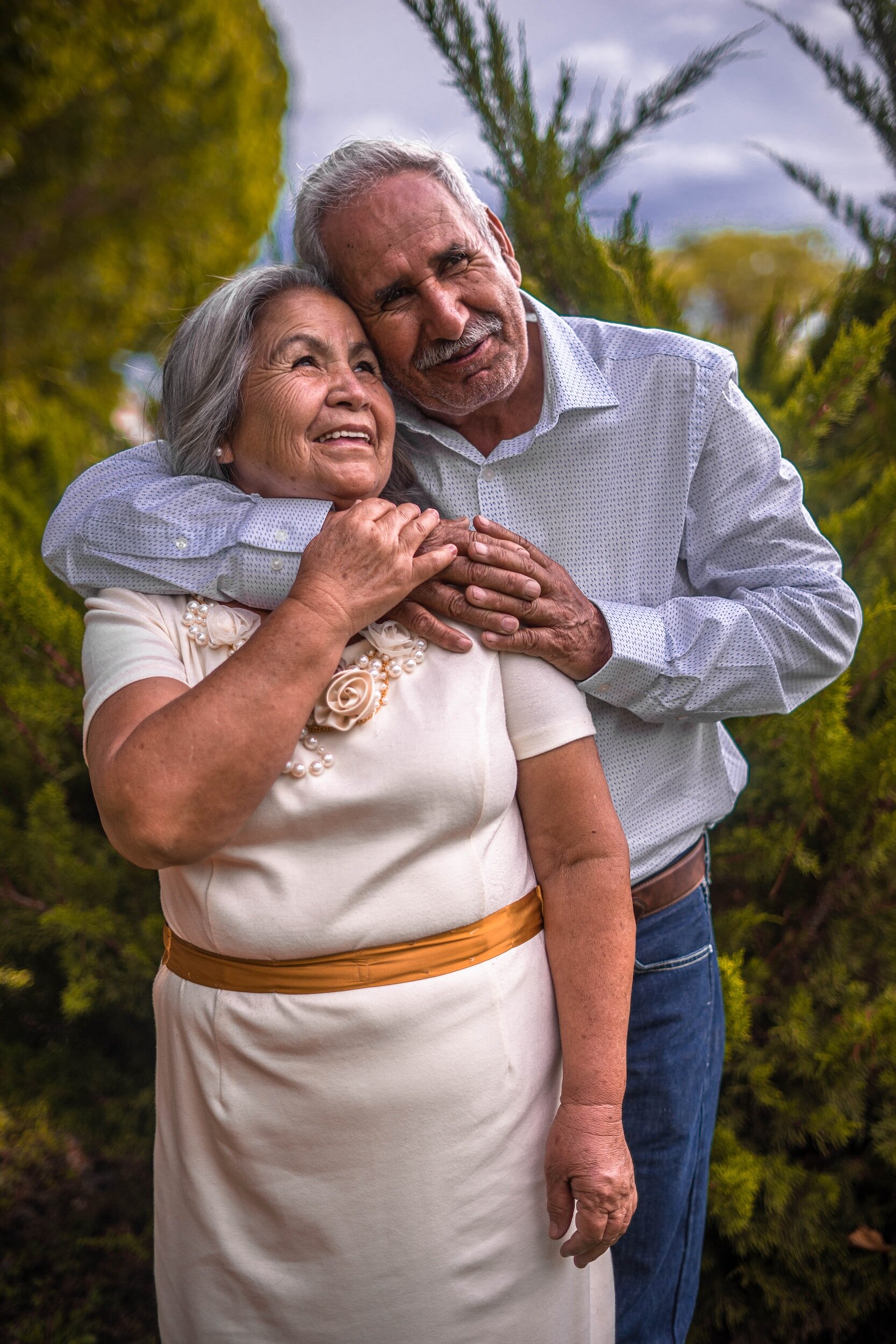
Are you feeling alone, old, and afraid of losing you wits…even though you’re married? Read this, please…
An intimate relationship protects against cognitive decline and Alzheimer’s Disorder.
How’s the state of your marriage right now?..
Yeah, maybe, I can help with that…

6 Generations of American attitudes toward divorce
Here’s a brief overview of how American attitudes toward divorce have shifted…

The awesome power of a friend…
Sometimes all research does is confirm what we already know in our hearts.
Close friendships are very good for us….

Are personality traits more important than ever in intimate relationships? … probably not…
A group of economists decided to cross over into social science research with an amusing outcome…

The AI will soothe you now…
Before you know it, AI will emerge as a tool in mental health.
It makes sense that some therapists might meet this development with fear and loathing.
So why am I a fan of AI in mental health?