
Welcome to my Blog
This blog is for life partners who suspect their relationship problem is not just communication, compatibility, or stress.
It may be a repeating system. These essays explain the patterns. Effective clinical work interrupts them.
Most folks don’t arrive here because something dramatic has happened.
They arrive because something feels… different.
The relationship still works. Conversations still happen. Life continues.
But something important is no longer organizing it the way it used to.
This space is where I write about that shift.
Not just what breaks relationships—but what quietly changes them:
how desire adapts.
how attention moves.
how meaning erodes or deepens over time.
These patterns are not random.
They tend to unfold in a predictable sequence.
If you’re here, you’re likely in one of those moments:
trying to understand what changed.
trying to decide whether it matters.
trying to figure out what to do next.
Start anywhere.
But if something here feels familiar, don’t treat it as abstract.
It usually isn’t.
Where to Begin
If you’re not sure what you’re looking for, these are a few good entry points:
Marriage Is Still Chosen — Even by Those Who Once Stood Outside It.
Epistemic Safety: What It Is and Why It Matters in Relationships.
The Relationship Consequences of Living in a Permanent News Cycle.
The Two Types of People Narcissists Avoid (And Why You Might Be One of Them).
When Narcissists Grieve: Why Their Mourning Looks Cold, Delayed, or Self-Centered
The 3-6-9 Dating Rule: Why Most Relationships Change at Month 3, 6, and 9.
The First Listener Shift: A Precise Relationship Diagnostic Most Couples Miss.
Why Curiosity Is Sacred in Relationships (And What Happens When It Disappears).
If You’re Looking for More Than Insight
Understanding is useful.
But at a certain point, most couples realize they can explain their relationship clearly—and still not change it.
That’s where focused work becomes effective.
I offer structured, high-impact couples intensives designed to produce meaningful movement in a compressed period of time.
Before We Decide Anything
A brief consultation helps determine:
whether this is what you’re dealing with.
whether this format fits.
and whether we should move forward.
Get a Clear Read on Your Relationship
Take your time reading.
But if something here lands in a way that feels specific—pay attention to that.
That’s usually where this work begins.
Continue Exploring
If you prefer to browse more broadly, you can explore posts by topic below.
But most people don’t find what they need by browsing.
They find it when something they read feels uncomfortably accurate.
Be Well, Stay Kind, and Godspeed.
~ Daniel
- Attachment Issues
- Coronavirus
- Couples Therapy
- Extramarital Affairs
- Family Life and Parenting
- How to Fight Fair
- Inlaws and Extended Families
- Intercultural Relationships
- Marriage and Mental Health
- Married Life & Intimate Relationships
- Neurodiverse Couples
- Separation & Divorce
- Signs of Trouble
- Social Media and Relationships
- What Happy Couples Know
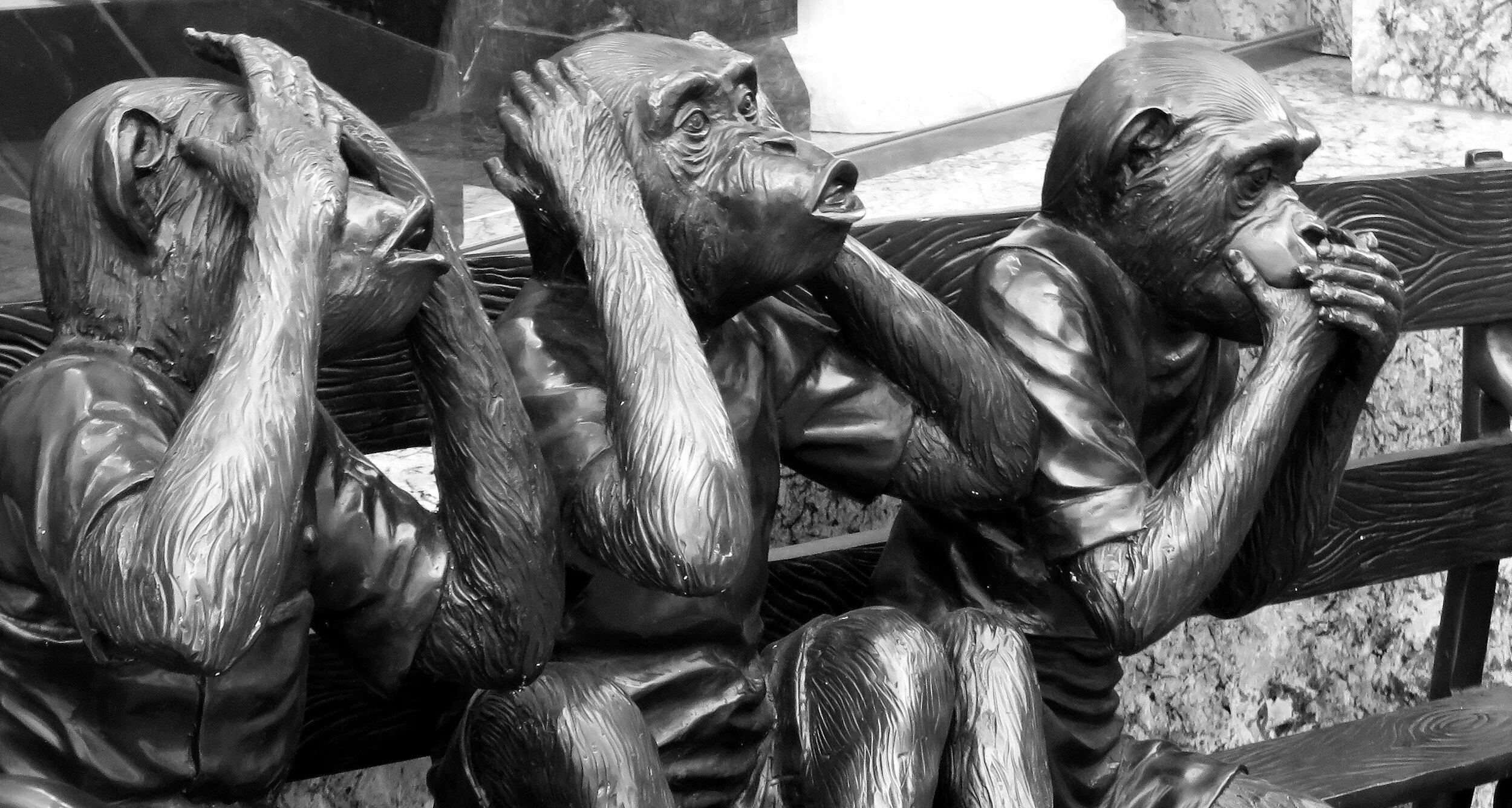
How to Communicate with a Narcissist…
As a couples therapist, navigating communication with a narcissistic partner can present unique challenges.
However, research in psychology provides valuable insights into practical strategies for communication in such relationships…
The Neurobiology of Narcissism
The latest research on the neurobiology of narcissism and its implications for therapeutic interventions aimed at improving relationship dynamics is up-and-coming.
It might offer couples therapy a raft of new tools and interventions.

Are you married to a Covert Narcissist?
Navigating a relationship with a covert narcissist can be akin to walking through a minefield blindfolded.
The subtle manipulation, emotional abuse, and constant gaslighting can leave one questioning their reality and sanity.

Can being neurotic reduce your risk of death?
Researchers found that humans who scored highly on one aspect of neuroticism related to worry and vulnerability had a reduced risk of death regardless of how they rated their health….
Is neuroticism protective?
66% of severely depressed humans respond to a new type of brain stimulation protocol…
Transcranial magnetic stimulation (TMS) is an emerging, approved treatment for treatment-resistant depression, But a new iteration of TMS is showing breathtaking promise!

Why is emotional intimacy in marriage so hard these days? Here are 4 reasons…
Emotional intimacy in marriage is pretty challenging to achieve nowadays.
Here are 4 proclivities that get in the way.

7 Signs you’re a Workaholic…
The emotional, lived experience of Workaholics in their work environments, as well as their emotional reactivity to job stressors, have been poorly investigated by social science researchers…

Is talking to yourself healthy and normal?
Researchers have been studying self-talk for a long time.
Scientists have been fascinated by what humans say to themselves, going back to the Victorian Era.
Why do we undertake talking to ourselves aloud, and what do we hope to accomplish in doing so?

"Every day, in every way, I'm getting better and better…"
“Injunctions to ‘‘think positively’’ are pervasive in North America.
Self-help books, television shows, and loved ones advise thinking positively when one faces a challenge or is unhappy.
Yet research continually indicates that, for certain people, positive self-statements may be not only ineffective, but actually detrimental.” (Wood et al., 2009).

Eating disorders and habit learning circuits of the brain…
Humans with binge eating disorders in this study had lower sensitivity to dopamine, often known as the ‘pleasure chemical’.
This lower sensitivity may result from too much indulgence, which is caused by habit circuitry gone awry.

Why we need the emotion of awe, more than ever…
Awe thoroughly brings us into the present moment, and then expands that moment while installing a profound sense of well-being at the same time.
That’s awesome!

Shinrin-yoku Therapy for Anxiety and Depression…
Forest therapy, also known as forest bathing or shinrin-yoku in Japanese, is a deliberate practice which involves immersing oneself into forest setting, for the directed purpose of improving one’s emotional, physical, and mental well-being.