
Welcome to my Blog
Thank you for stopping by. This space is where I share research, reflections, and practical tools drawn from my experience as a marriage and family therapist with an international practice.
I write about what happens to desire, attachment, and meaning once the early myths stop working.
Are you a couple looking for clarity? A professional curious about the science of relationships? Or simply someone interested in how love and resilience work? I'm glad you've found your way here. I can help with that. I'm accepting new clients, and this blog is for the benefit of all my gentle readers.
Each post is written with one goal in mind: to help you better understand yourself, your partner, and the hidden dynamics that shape human connection
Grab a coffee (or a notebook), explore what speaks to you, and take what's useful back into your life and relationships.
And if a post sparks a question, or makes you realize you could use more support, l'd love to hear from you. Let's explore the scope of work you'd like to do together.
Be Well, Stay Kind, and Godspeed.
~ Daniel
P.S.
Feel free to explore the categories below to find past blog posts on the topics that matter most to you. If you're curious about attachment, navigating conflict, or strengthening intimacy, these archives are a great way to dive deeper into the research and insights that l've been sharing for years.
- Attachment Issues
- Coronavirus
- Couples Therapy
- Extramarital Affairs
- Family Life and Parenting
- How to Fight Fair
- Inlaws and Extended Families
- Intercultural Relationships
- Marriage and Mental Health
- Married Life & Intimate Relationships
- Neurodiverse Couples
- Separation & Divorce
- Signs of Trouble
- Social Media and Relationships
- What Happy Couples Know


The Three Hares Motif: Why Three Rabbits Running in a Circle Still Haunt Human Imagination
There are symbols that belong to history, and then there are symbols that seem to move underneath history like underground rivers.
The three hares motif belongs to the second category.
Three hares chase one another in a circle.
Each shares an ear with the next so that there are only three ears total, though each animal appears to possess two.
The image is mathematically elegant and psychologically strange.
It looks less designed than discovered, as though someone stumbled upon it while half-dreaming beside a fire eight hundred years ago and immediately understood it mattered.
Then it began appearing everywhere.
In Buddhist cave temples in China.
In Islamic decorative art.
In medieval churches in England.
In synagogues.
In manuscripts.
In carved ceilings and hidden architectural corners across civilizations that supposedly should not have been speaking to one another with quite this degree of symbolic intimacy.
Nobody entirely agrees on what it means.
That is precisely why it survived.

Does Romantic Rejection Hurt More Than Friendship Rejection? A New Study Says Maybe Not
Romantic rejection has a branding department.
Friendship rejection does not.
Romantic heartbreak receives orchestral soundtracks, Oscar nominations, monologues delivered in the rain, and approximately 84% of the music industry.
Friendship rejection, meanwhile, is treated like an unfortunate scheduling conflict.
Society reacts to the end of a friendship with the emotional urgency usually reserved for learning someone switched toothpaste brands.
This is strange, because a new study published in the European Journal of Social Psychology suggests the nervous system may not distinguish nearly as dramatically between romantic and platonic rejection as modern culture does.
The study, led by Natasha R. Wood of Leiden University, found that while people predictedromantic rejection would hurt more, actual emotional responses to rejection were remarkably similar whether the rejection came from a potential romantic partner, a prospective friend, or even a stranger.
Which is psychologically fascinating and culturally inconvenient.
Because modern adulthood has quietly transformed romantic desirability into a kind of emotional credit score.

Meaningful Suffering: Why Modern Life Is Making Us Less Able to Endure Pain
There is a sentence modern culture keeps repeating to itself with increasing desperation:
You should not have to suffer.
At first glance this sounds compassionate, enlightened, humane. And to some extent it is.
Modern medicine has relieved staggering amounts of human misery. Antibiotics matter. Anesthesia matters. Trauma therapy matters.
Nobody sane wants to return to the era where people died from infected teeth while someone quoted philosophy beside a candle.
But something psychologically strange has happened alongside our increasing ability to reduce suffering.
We have become less capable of interpreting suffering.
Not tolerating it.
Not surviving it.
Interpreting it.
And that distinction matters enormously.

Why We Ignore Red Flags When We’re Attracted to Someone: The Psychology of Mixed Signals
He told you he “wasn’t emotionally available,” then spent four straight hours discussing childhood wounds while touching your knee in a dimly lit wine bar like a divorced philosophy professor who alphabetizes his spices and owns six identical black turtlenecks.
Three days later, he sends:
“Sorry lol crazy week.”
And now your nervous system has become a small authoritarian state devoted entirely to interpreting punctuation.
Welcome to modern romance.
According to fascinating new research by relationship scientist Gurit Birnbaum, sexual arousal appears to distort perception in ways that make ambiguous romantic interactions seem more hopeful than they actually are. In other words, desire does not merely intensify attraction.
It edits interpretation itself.
Which explains why otherwise intelligent adults suddenly begin treating “liked my story” as evidence of soul-level compatibility.

Relational Gravity: Why Modern Love Feels So Intelligent—and So Unstable
We have insight everywhere now.
We can name our attachment style before coffee.
We can narrate our childhood before lunch.
We can explain our partner’s patterns with the calm authority of someone who has read three books and now regrets it only slightly.
We understand intimacy—conceptually—better than any generation before us.
And yet our relationships feel thinner.
More provisional.
Strangely unable to withstand an ordinary Tuesday.
If you’re reading this out of curiosity, keep going.
If you’re reading this because something in your relationship feels harder to hold than it should—pay attention to what follows.
This is where couples usually wait too long.
This is not because life partners lack intelligence.
It is because intelligence has been asked to do structural work.
And intelligence, for all its elegance, does not stabilize bonds.
It interrogates them.

The Ache of the Unchosen Life
Regret is often spoken of as though it arrives after catastrophe.
But catastrophe is usually late to the story.
It begins earlier.
With the road glanced at twice. With the apartment not taken. With the man not married. With the life that remained possible just long enough to acquire glamour.
People imagine regret is about loss.
Often it is about comparison.
And comparison, in late modern life, has become nearly liturgical.
A recent study in Social Cognitive and Affective Neuroscience suggests the urge to inspect unrealized alternatives may recruit portions of the same reward architecture involved in wanting.
Not happiness.
Wanting.
That distinction can save a human years.
Because much suffering in love comes from confusing what glitters with what nourishes.

How to Break Up Like an Adult: The Humane Exit
Breaking up is a universally terrible activity.
Given the choice, most of us would rather audit our own taxes, stand on a crowded subway train for eternity, or sit through a four-hour avant-garde play than tell someone we once liked that we no longer wish to see their face.
It is an excruciating chore.
Yet, as we all stumble through romance, the research about how to exit relationships is—dare I say—almost uplifting.
Let’s not limit ourselves to just one study’s wisdom. The importance of how a romantic relationship ends has been examined in a variety of contexts, cultures, and methodologies.
For example, recent findings from McClung et al. (2026) in the Journal of Sex & Marital Therapy suggest that using “autonomy-supportive” communication during breakups—being honest, kind, listening without judgment—promotes a positive mood and that exhilarating state the pros call “subjective vitality.” This is not just academic: it’s a plea for decency, which almost makes me want to send a thank-you note to the researchers.
But, let’s zoom out for some intellectual variety.
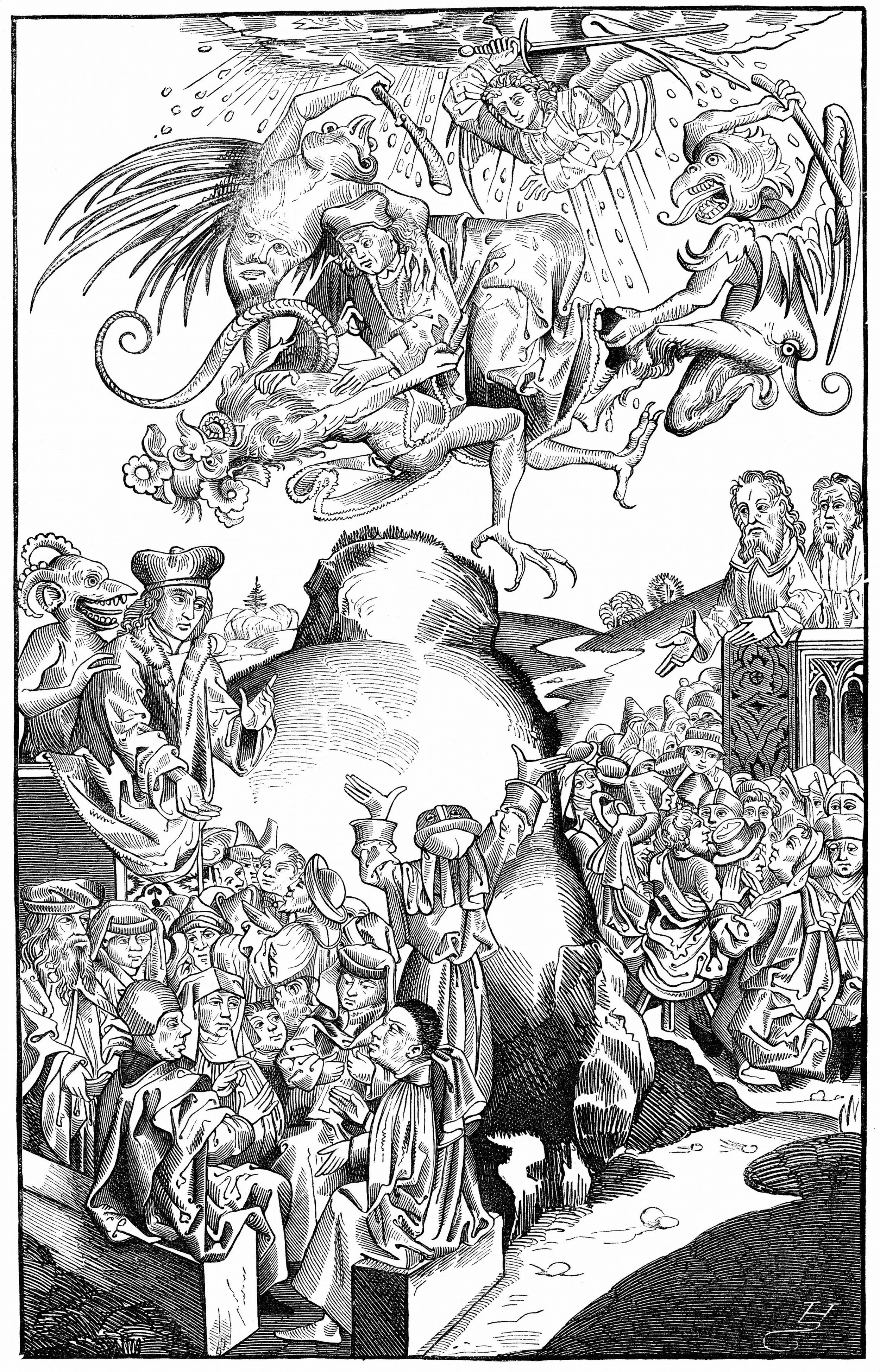
Peter Thiel, the Antichrist, and Silicon Valley’s Hidden Techno-Religion
Rome has hosted many theological debates.
Emperors argued with bishops. Reformers confronted popes. Philosophers spent centuries arguing about salvation, sin, and the destiny of humanity.
But even by Roman standards, the latest visitor introduces a certain novelty.
A Silicon Valley billionaire has arrived to lecture about the Antichrist.
According to recent reporting, venture capitalist and Peter Thiel is delivering a series of closed-door talks in Rome warning that people who worry about artificial intelligence may themselves be paving the way for a global totalitarian regime.
It is an interesting warning.
It is also an unusual one to hear from a man whose company builds large-scale data analysis systems used by governments and intelligence agencies.
If irony were electricity, Rome would currently be illuminating most of southern Europe.

Why Some People Trust Science and Others Trust Faith: The Psychology Behind Our Worldviews
Most people like to imagine that their worldview emerged from careful reasoning.
They picture themselves as intellectual pioneers, arriving at their beliefs after examining evidence, weighing arguments, and deciding—on their own terms—what is true.
It is a flattering story.
It is also, according to modern psychological research, only partly accurate.
In my work with couples and families, I often see the same phenomenon: two intelligent people can interpret the exact same reality in completely different ways.
One partner trusts evidence, data, and scientific reasoning. The other leans toward faith, spiritual meaning, and divine purpose.
They assume the disagreement is philosophical.
In truth, it often began decades earlier—inside the homes they grew up in.
If this sounds familiar, you are not alone.
Many couples discover that their deepest disagreements about meaning, morality, and reality are rooted in childhood experiences neither partner consciously chose.

The Attention Economy of Love
Most people believe relationships end because of conflict.
In my work with marriages and families, that explanation almost never survives careful inspection.
Conflict is loud. Conflict is dramatic. Conflict gives everyone something to point at.
But the deeper cause of relational collapse is usually quieter and far more gradual.
Relationships end when attention slowly migrates away from the bond.
Not all at once. Not with a dramatic betrayal. But through thousands of small moments when one partner’s emotional signals go unnoticed, unanswered, or misinterpreted.
If you observe couples long enough, a pattern begins to appear.
Love is not primarily sustained by feelings.
Feelings fluctuate. Feelings behave like weather systems.
Love is sustained by patterns of attention.
Where attention flows, intimacy deepens.
Where attention thins out, connection slowly begins to starve.

Why Some People Only Feel Attraction After Someone Likes Them First: The Psychology of Reciprosexual Attraction
Attraction is usually described as spontaneous.
Two people meet. Something sparks. Chemistry appears before anyone quite understands why.
But in my work with couples, I have repeatedly seen a quieter and more puzzling pattern.
Some people do not experience attraction first.
They experience being desired first.
If this sounds familiar, you are not unusual. Many thoughtful people quietly notice this pattern in themselves but struggle to explain it.
Psychologists have begun describing this experience using a term that is slowly circulating online:
reciprosexual attraction.
Before dismissing it as internet jargon, it turns out the idea touches something very real in relationship psychology.
Because for some people, attraction does not ignite in isolation.
It ignites in response.
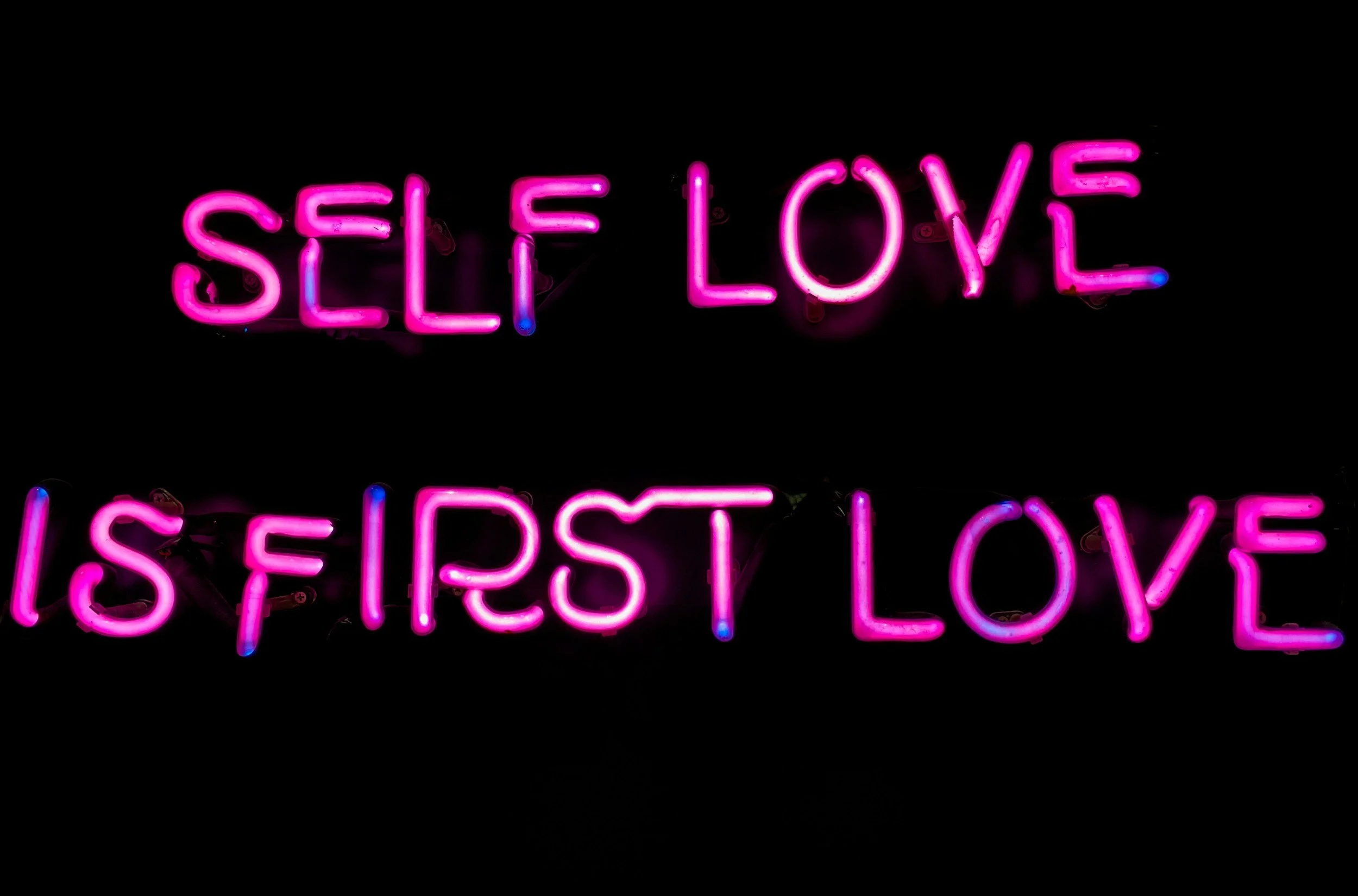
Do You Have to Love Yourself Before You Can Love Someone Else? What the Research Actually Says
For years, relationship advice columns have repeated a sentence that sounds both wise and slightly suspicious:
You must love yourself before you can love someone else.
The idea appears everywhere—therapy language, social media, inspirational posters, even wedding speeches.
It feels intuitively correct.
But intuition and evidence are not the same thing.
A group of psychologists in Germany recently decided to examine whether the cliché survives contact with data.
Their findings suggest that the popular belief contains a grain of truth—but not quite the one people usually assume.