

Welcome to my Blog
Most people don’t arrive here because something dramatic has happened.
They arrive because something feels… different.
The relationship still works. Conversations still happen. Life continues.
But something important is no longer organizing it the way it used to.
This space is where I write about that shift.
Not just what breaks relationships—but what quietly changes them:
how desire adapts.
how attention moves.
how meaning erodes or deepens over time.
These patterns are not random.
They tend to unfold in a predictable sequence.
If you’re here, you’re likely in one of those moments:
trying to understand what changed.
trying to decide whether it matters.
trying to figure out what to do next.
Start anywhere.
But if something here feels familiar, don’t treat it as abstract.
It usually isn’t.
Where to Begin
If you’re not sure what you’re looking for, these are a few good entry points:
Marriage Is Still Chosen — Even by Those Who Once Stood Outside It.
Epistemic Safety: What It Is and Why It Matters in Relationships.
The Relationship Consequences of Living in a Permanent News Cycle.
The Two Types of People Narcissists Avoid (And Why You Might Be One of Them).
When Narcissists Grieve: Why Their Mourning Looks Cold, Delayed, or Self-Centered
The 3-6-9 Dating Rule: Why Most Relationships Change at Month 3, 6, and 9.
The First Listener Shift: A Precise Relationship Diagnostic Most Couples Miss.
Why Curiosity Is Sacred in Relationships (And What Happens When It Disappears).
If You’re Looking for More Than Insight
Understanding is useful.
But at a certain point, most couples realize they can explain their relationship clearly—and still not change it.
That’s where focused work becomes effective.
I offer structured, high-impact couples intensives designed to produce meaningful movement in a compressed period of time.
Before We Decide Anything
A brief consultation helps determine:
whether this is what you’re dealing with.
whether this format fits.
and whether we should move forward.
Get a Clear Read on Your Relationship
Take your time reading.
But if something here lands in a way that feels specific—pay attention to that.
That’s usually where this work begins.
Continue Exploring
If you prefer to browse more broadly, you can explore posts by topic below.
But most people don’t find what they need by browsing.
They find it when something they read feels uncomfortably accurate.
Be Well, Stay Kind, and Godspeed.
~ Daniel
- Attachment Issues
- Coronavirus
- Couples Therapy
- Extramarital Affairs
- Family Life and Parenting
- How to Fight Fair
- Inlaws and Extended Families
- Intercultural Relationships
- Marriage and Mental Health
- Married Life & Intimate Relationships
- Neurodiverse Couples
- Separation & Divorce
- Signs of Trouble
- Social Media and Relationships
- What Happy Couples Know

Marriage Is Still Chosen — Even by Those Who Once Stood Outside It
For years we were told marriage was fading.
Too traditional.
Too constrained.
Too indistinguishable from cohabitation to matter anymore.
And then something awkward happened.
When same-sex couples were finally given a clean choice between domestic partnership and marriage, they did not hesitate.
They chose marriage.
Overwhelmingly.
Research published in the Journal of Marriage and Family by Michael J. Rosenfeld and Alisa Feldman examined what happened in California after marriage equality became legal in 2013.
Domestic partnerships already offered nearly all state-level rights.
If couples wanted a lighter, less historically freighted option, it was sitting right there.
They did not take it.

The Neuroscience of Limerence: Why Romantic Obsession Feels Like Destiny (But Isn’t)
Romantic obsession does not feel optional.
It feels ordained.
You wake up thinking about them.
You check your phone as if it were a medical device.
You replay interactions with prosecutorial intensity.
You call it chemistry.
Your brain calls it dopamine.
Here is the claim, clean and non-negotiable:
Limerence is not evidence of compatibility. It is a neurobiological amplification of uncertainty.
Intensity is not intimacy.
Salience is not substance.
Activation is not alignment.
And the brain is remarkably good at confusing them.
What Is Limerence?
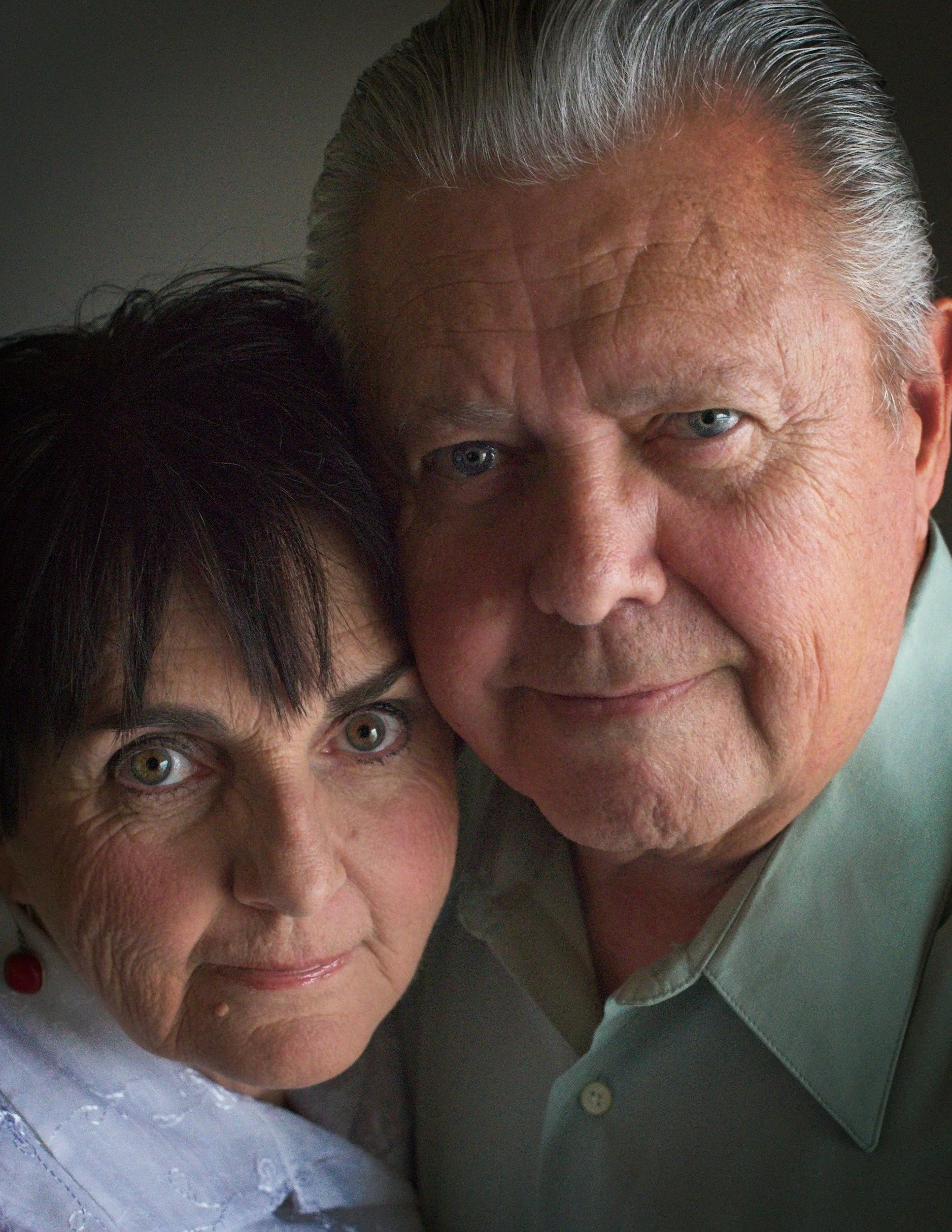
Moving In After 50 Boosts Happiness. Marriage? Not So Much.
For years we have been told a tidy story:
Men outsource their emotions to women.
Women build emotional villages.
Remove wife.
Man collapses into a leather recliner and existential ruin.
It is a very marketable theory.
It is also not what the new data shows.
A 2026 longitudinal analysis published in the International Journal of Behavioral Development examined adults over 50 and found something both comforting and mildly destabilizing:
In later life, the psychological benefit comes from shared daily life—not from the legal act of marriage itself.
Moving in together increases life satisfaction.
Getting married, if you’re already living together, does not add extra psychological lift.
And older men? They are not emotionally imploding at statistically meaningful rates.
Somewhere, a stereotype just had to sit down.
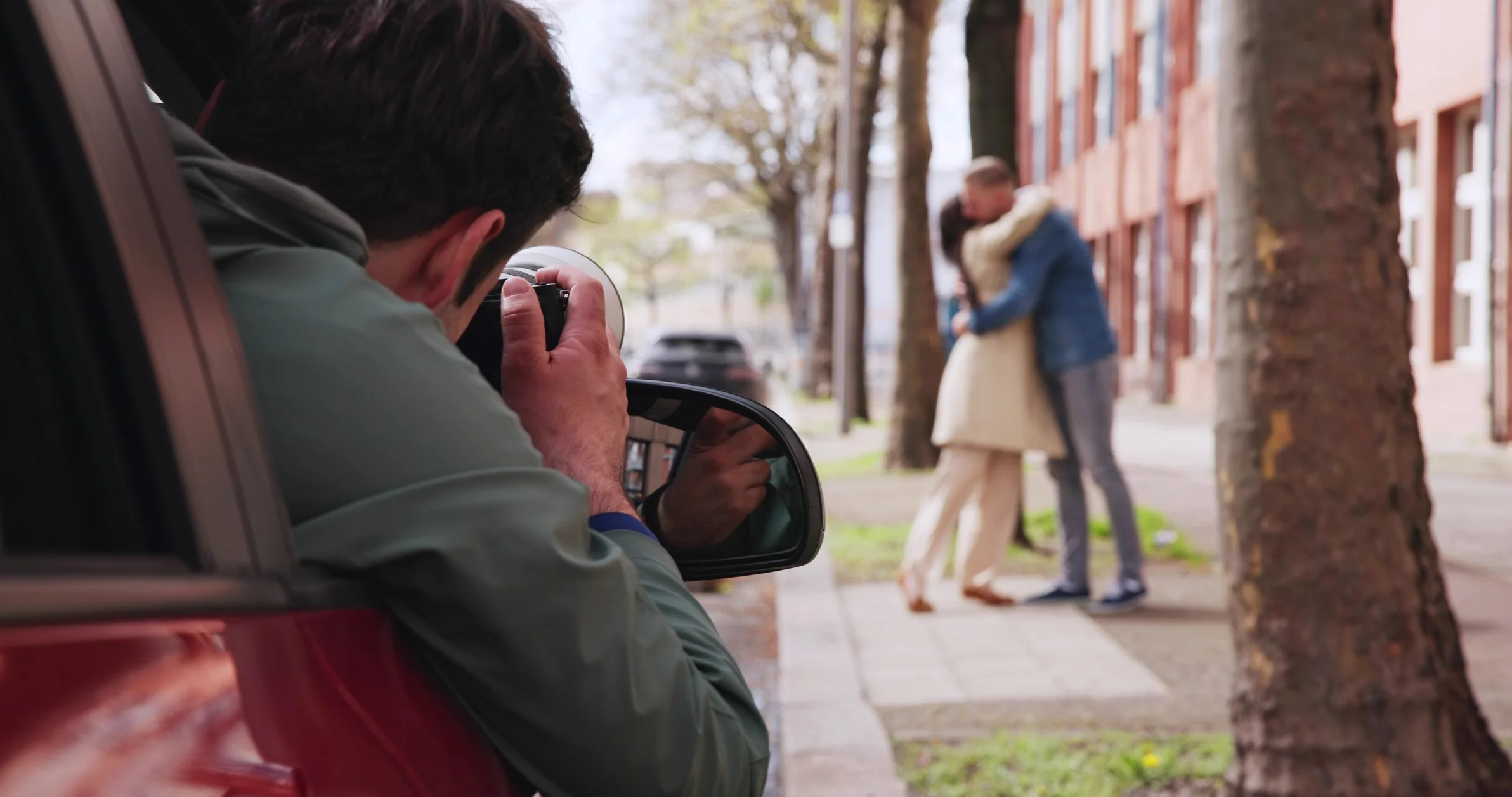
Couples Therapy for Cheaters: The First 30 Days After Betrayal Decide Everything
There is a particular silence after infidelity.
It is not the silence of peace.
It is the silence of recalculation.
You are standing in the kitchen.
Or the hallway. Or lying awake at 3:11 a.m.
And you realize something has shifted in the architecture of your life.
If you are searching for couples therapy for cheaters, you are not curious.
You are trying to prevent a collapse.
Infidelity is not merely a moral failure.
It is a destabilizing event.
And destabilizing events require stabilization.
What you do in the first thirty days matters more than most couples are willing to admit.

Couples Therapy for Jealousy: What Actually Works
Jealousy is not a personality flaw.
It is a nervous system with a vivid imagination.
Most couples arrive in therapy convinced the problem is a third person.
A coworker. An ex. A text message sent at 11:47 p.m. A “like” that lingered too long.
It rarely is.
In couples therapy, jealousy is not about the rival.
It is about the stability of the bond.
And stability, as it turns out, is not a feeling. It is a structure.

Intensive Couples Therapy in Massachusetts
You are not arguing about dishes.
You are repeating a sequence.
Escalation activates.
Defensiveness narrows interpretation.
Someone withdraws.
Someone pursues.
Repair collapses at the same moment — every time.
Most couples do not need more communication.
They need accurate pattern interruption.
Talking longer about the pattern rarely dissolves it.
Mapping it does.

The Variables of Private Detection
Family offices do not fear loss.
They fear what they failed to measure.
The office was in its third generation. Real assets. Infrastructure holdings. Private placements structured to avoid noise. No press releases. No interviews.
Decisions were made in rooms where phones were placed face down.
When the woman began appearing, no one commented.
Royal Prince Alfred benefit.
Trustee dinner at the gallery.
Policy roundtable overlooking the harbour.
She arrived alone. She did not circulate aimlessly. She did not linger long enough to be remembered as awkward.
She returned.
Repetition is information.
The principal watched for a fourth appearance.
It came.
He did not approach her.
He retained an investigator.

Selfication and Cultural Narcissism: Why Modern Intimacy Feels So Fragile
Let us begin plainly.
Selfication is not in the dictionary.
That is because the culture has been performing it faster than language can stabilize it.
Selfication is:
The cultural inflation of the self beyond its proper jurisdiction.
Or more starkly:
Selfication is requiring reality to orbit you.
Not self-love.
Not individuation.
Not agency.
Inflation.
And inflation destabilizes systems.

The Narcissism Panic and What It’s Doing to Love
We are living through a narcissism panic.
Every disappointment is narcissism.
Every selfish moment is narcissism.
Every boundary dispute is narcissism.
Every ex is a narcissist.
The word has become relational napalm.
And when a diagnostic category becomes a cultural weapon, love does not survive unscathed.

Marriage Is a Cognitive Project, Not a Feeling
Marriage is not a mood.
It is not sustained by butterflies, curated vacations, or the belief that you found “your person” the way one finds a reserved seat.
Marriage is a cognitive project.
A cognitive project in marriage refers to the ongoing process of regulating interpretations, managing emotional responses, maintaining shared meaning, and exercising executive function skills that protect the bond over time.
And that is good news.
Because feelings fluctuate.
Cognition can be trained.
The modern marriage crisis is not primarily emotional.
It is cognitive.
We have mistaken intensity for durability.
We have overvalued chemistry and undervalued interpretive discipline.
Marriage is not saved by feeling more.
It is saved by thinking better.
Is Marriage Good or Bad for Your Brain? What the Research Actually Says
Marriage is not inherently protective of the brain.
But stable, emotionally responsive relationships are.
Marriage is one of the most powerful structures capable of producing those conditions.
When it does, the brain benefits. When it does not, the brain adapts accordingly.
That is the disciplined answer.
Now let’s honor marriage by telling the whole truth.

Only Later Does Someone Mount a Plaque: Sitting in Hoagy Carmichael’s Stardust Booth
It was 1980 — the era of avocado appliances and durable optimism.
I was twenty-eight, a district manager for Magic Chef, traveling the Midwest with brochures that promised domestic transcendence at 350 degrees.
I was a New Englander by accent and temperament, dropped into Indiana like a saltine into gravy. I came from granite and sarcasm. The Midwest offered limestone and civility.
Bloomington that October was rain-soaked and earnest. A college town that believed in ideas the way other towns believed in weather.
That afternoon I had met with dealers who displayed our ovens in obedient rows, chrome handles gleaming like dental work.
We discussed margins as if the Republic depended on convection cooking.