

Welcome to my Blog
This blog is for life partners who suspect their relationship problem is not just communication, compatibility, or stress.
It may be a repeating system. These essays explain the patterns. Effective clinical work interrupts them.
Most folks don’t arrive here because something dramatic has happened.
They arrive because something feels… different.
The relationship still works. Conversations still happen. Life continues.
But something important is no longer organizing it the way it used to.
This space is where I write about that shift.
Not just what breaks relationships—but what quietly changes them:
how desire adapts.
how attention moves.
how meaning erodes or deepens over time.
These patterns are not random.
They tend to unfold in a predictable sequence.
If you’re here, you’re likely in one of those moments:
trying to understand what changed.
trying to decide whether it matters.
trying to figure out what to do next.
Start anywhere.
But if something here feels familiar, don’t treat it as abstract.
It usually isn’t.
Where to Begin
If you’re not sure what you’re looking for, these are a few good entry points:
Marriage Is Still Chosen — Even by Those Who Once Stood Outside It.
Epistemic Safety: What It Is and Why It Matters in Relationships.
The Relationship Consequences of Living in a Permanent News Cycle.
The Two Types of People Narcissists Avoid (And Why You Might Be One of Them).
When Narcissists Grieve: Why Their Mourning Looks Cold, Delayed, or Self-Centered
The 3-6-9 Dating Rule: Why Most Relationships Change at Month 3, 6, and 9.
The First Listener Shift: A Precise Relationship Diagnostic Most Couples Miss.
Why Curiosity Is Sacred in Relationships (And What Happens When It Disappears).
If You’re Looking for More Than Insight
Understanding is useful.
But at a certain point, most couples realize they can explain their relationship clearly—and still not change it.
That’s where focused work becomes effective.
I offer structured, high-impact couples intensives designed to produce meaningful movement in a compressed period of time.
Before We Decide Anything
A brief consultation helps determine:
whether this is what you’re dealing with.
whether this format fits.
and whether we should move forward.
Get a Clear Read on Your Relationship
Take your time reading.
But if something here lands in a way that feels specific—pay attention to that.
That’s usually where this work begins.
Continue Exploring
If you prefer to browse more broadly, you can explore posts by topic below.
But most people don’t find what they need by browsing.
They find it when something they read feels uncomfortably accurate.
Be Well, Stay Kind, and Godspeed.
~ Daniel
- Attachment Issues
- Coronavirus
- Couples Therapy
- Extramarital Affairs
- Family Life and Parenting
- How to Fight Fair
- Inlaws and Extended Families
- Intercultural Relationships
- Marriage and Mental Health
- Married Life & Intimate Relationships
- Neurodiverse Couples
- Separation & Divorce
- Signs of Trouble
- Social Media and Relationships
- What Happy Couples Know

Rethinking Narcissism…
The obvious fact is this…we need to learn more about the healthy manifestations of narcissism.
That requires us to avert our attention from the toxic, swampy end of the spectrum… which seems to attract our gaze like a car wreck.

2 quick questions to dirty-diagnose an anxiety disorder…
The ultra-brief hack can help identify an anxiety problem quickly.
Almost 20%. of humans who visit their doctor have an anxiety disorder, research finds.
And just 2 questions are often enough to suggest there is a problem that needs to be addressed…

Neuroticism and Depression
The personality trait of neuroticism – perhaps better understood as “negative emotionality” is a major risk factor of major depression.
This study explains that this occurs because levels of neuroticism are, for the most part, an index of their genetic susceptibility of a client to to clinical depression.

What is Borderline Personality Disorder… with Self-Destructive Features?
This Self-Destructive subtype of Borderline Personality disorder is marked by a heightened propensity for engaging in behaviors that pose significant risks to their physical, emotional, and social well-being.
Understanding the volatile nature and velocity of self-destructive behaviors in humans suffering with this subtype of Borderline Personality Disorder is essential for effective diagnosis, treatment, and support.

What is Borderline Personality Disorder with… Impulsive Features?
The impulsive subtype of BPD is characterized by sudden, rash, impulsive actions and decisions.
Humans with this subtype may engage in reckless behaviors without fully considering the consequences, ranging from mundane issues such as tying one on, to reckless driving, and, of course, unsafe sexual practices.

What is Borderline Personality Disorder with… Discouraged Features?
Some humans with Borderline Personality Disorder have the Discouraged features subtype.
These poor souls endure chronic feelings of inadequacy, self-doubt, and pessimism.
The discouraged type of BPD presents distinctive set of challenges as they attempt to navigate their relationships, self-perception, and emotional regulation.

What is Borderline Personality Disorder with… Petulant Features?
Within the spectrum of Borderline Personality Disorder, the Petulant subtype represents a distinct manifestation with its unique set of symptoms and challenges.
I think my first ex-wife could have been diagnosed with Borderline Personality Disorder with the Petulant subtype.
So exploring its clinical features, diagnostic criteria, potential causes, and treatment options, is a walk down memory lane for me…
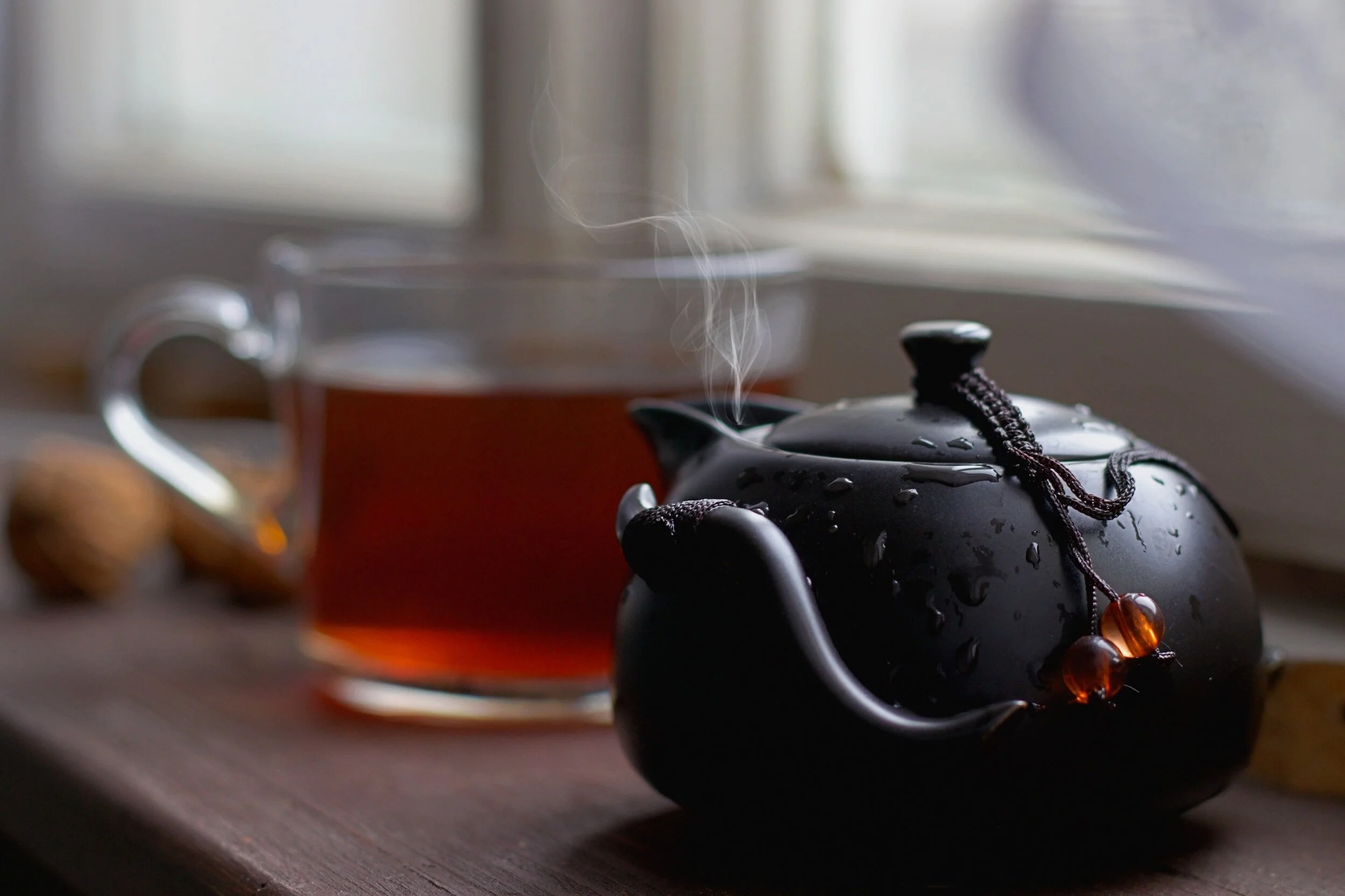
How rituals can alleviate loneliness…
Rituals for one human, can and do matter.
But you make it happen, the “product” may be either a variable, or a constant because ritual is driven by your direct, personal sense of meaning.

The 2 worst ways to cope with stress for C-class executives…
A number of my clients are C-level execs, home for the holidays.
The upheavals in commercial real estate and banking are making it hard to leave stress behind….
Here are the worst 2 ways to manage stress you should avoid…

Can humans be happy alone?
Research from Germany suggests that we may have more to learn about solitude, social supports, and mental health…

What is the least stressful phase of life?
Research reveals that humans report feeling stress as move through time, becoming older and more chill in the process.
Aging humans have fewer stressful experiences, and they deal with whatever stress they do experience much better than when they were younger.
On the other hand, Middle age humans are way more stressed nowadays than they were 20 years ago.

Why “down time” doesn’t work for you…
A new study suggests that humans who leave work and return home stressed are often unable to unwind by watching TV, or playing video games to in an effort to chill out.
It seems for stressed-out humans, down time can be a downer.