

Welcome to my Blog
Most people don’t arrive here because something dramatic has happened.
They arrive because something feels… different.
The relationship still works. Conversations still happen. Life continues.
But something important is no longer organizing it the way it used to.
This space is where I write about that shift.
Not just what breaks relationships—but what quietly changes them:
how desire adapts.
how attention moves.
how meaning erodes or deepens over time.
These patterns are not random.
They tend to unfold in a predictable sequence.
If you’re here, you’re likely in one of those moments:
trying to understand what changed.
trying to decide whether it matters.
trying to figure out what to do next.
Start anywhere.
But if something here feels familiar, don’t treat it as abstract.
It usually isn’t.
Where to Begin
If you’re not sure what you’re looking for, these are a few good entry points:
Marriage Is Still Chosen — Even by Those Who Once Stood Outside It.
Epistemic Safety: What It Is and Why It Matters in Relationships.
The Relationship Consequences of Living in a Permanent News Cycle.
The Two Types of People Narcissists Avoid (And Why You Might Be One of Them).
When Narcissists Grieve: Why Their Mourning Looks Cold, Delayed, or Self-Centered
The 3-6-9 Dating Rule: Why Most Relationships Change at Month 3, 6, and 9.
The First Listener Shift: A Precise Relationship Diagnostic Most Couples Miss.
Why Curiosity Is Sacred in Relationships (And What Happens When It Disappears).
If You’re Looking for More Than Insight
Understanding is useful.
But at a certain point, most couples realize they can explain their relationship clearly—and still not change it.
That’s where focused work becomes effective.
I offer structured, high-impact couples intensives designed to produce meaningful movement in a compressed period of time.
Before We Decide Anything
A brief consultation helps determine:
whether this is what you’re dealing with.
whether this format fits.
and whether we should move forward.
Get a Clear Read on Your Relationship
Take your time reading.
But if something here lands in a way that feels specific—pay attention to that.
That’s usually where this work begins.
Continue Exploring
If you prefer to browse more broadly, you can explore posts by topic below.
But most people don’t find what they need by browsing.
They find it when something they read feels uncomfortably accurate.
Be Well, Stay Kind, and Godspeed.
~ Daniel
- Attachment Issues
- Coronavirus
- Couples Therapy
- Extramarital Affairs
- Family Life and Parenting
- How to Fight Fair
- Inlaws and Extended Families
- Intercultural Relationships
- Marriage and Mental Health
- Married Life & Intimate Relationships
- Neurodiverse Couples
- Separation & Divorce
- Signs of Trouble
- Social Media and Relationships
- What Happy Couples Know

Why Knowing the Word “Vulva” Improves Your Sex Life (According to Science)
There are many theories about what makes sex good.
Chemistry. Safety. Timing. Trauma. Attachment.
Lighting purchased during a brief but meaningful phase of adulthood.
But according to a new study, we may have been overlooking the most basic variable of all:
Knowing what things are called.
Not metaphorically.
Not poetically.
Literally.
Words. Nouns. Anatomy.
Researchers asked young adults to do something radical:
Look at a diagram and name the parts.
No Google.
No euphemisms.
No vague gesturing toward the lower hemisphere of the body like a Victorian relative has just entered the room.
Just: What is this?
What followed was not erotic.
But it was revealing.
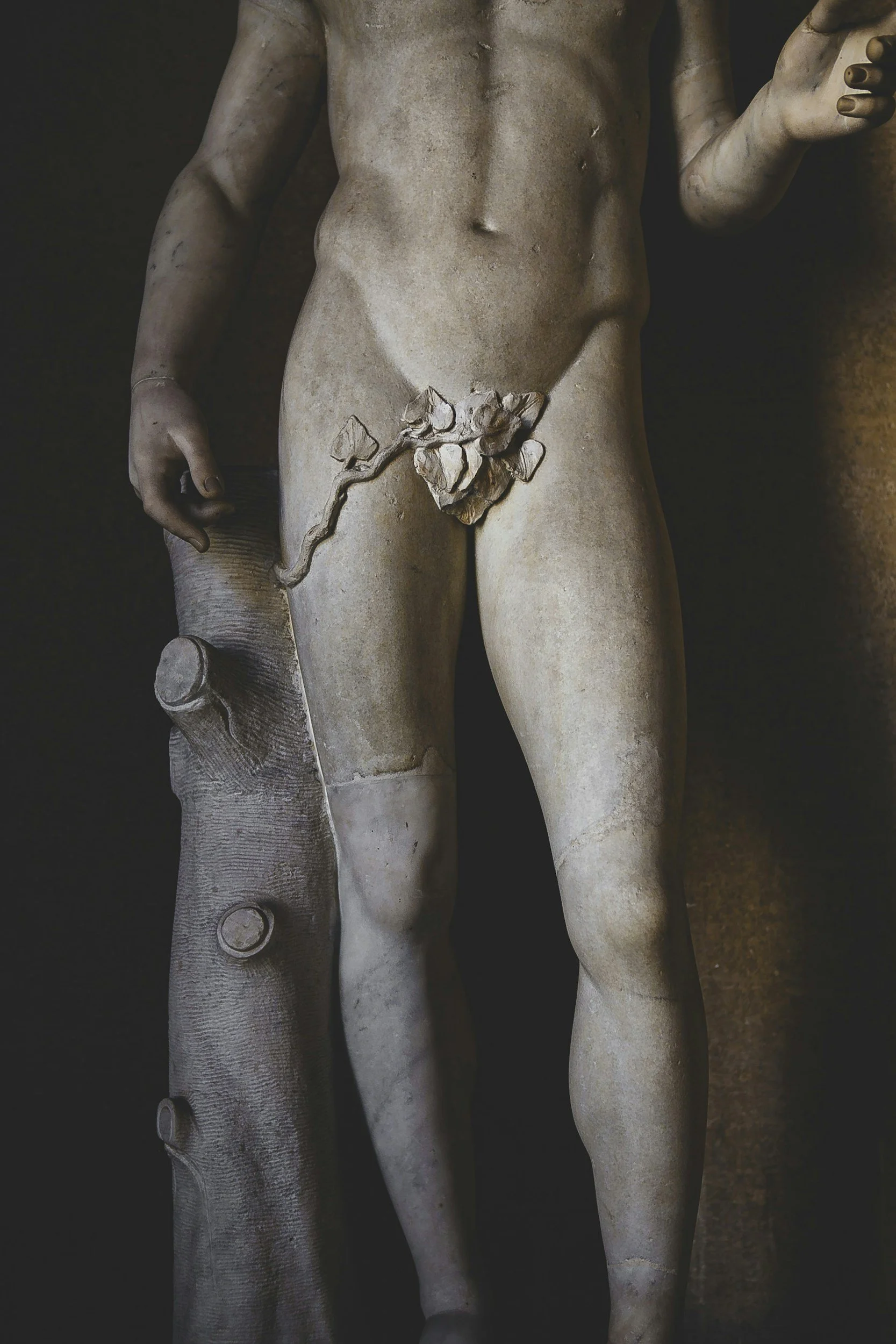
The Human Penis as Signal: Why Size Still Shapes Attraction and Threat
The Human penis is an evolutionary outlier. Of Course it is.
Biologists have been quietly bothered by the human penis for a long time.
Not morally. Not personally. Evolutionarily.
Relative to body size, it is conspicuously large compared to that of other great apes—thicker, longer, and more visually emphatic.
It is also unusually fragile.
Humans lack a baculum, the penis bone found in many mammals, meaning erections depend entirely on blood flow rather than skeletal support.
This combination—size without structural reinforcement—has never sat comfortably inside tidy evolutionary explanations.
Something this metabolically expensive does not usually exist without doing more than one job.
The emerging answer appears to be simple and unsettling: the human penis evolved not only for reproduction, but for being read.
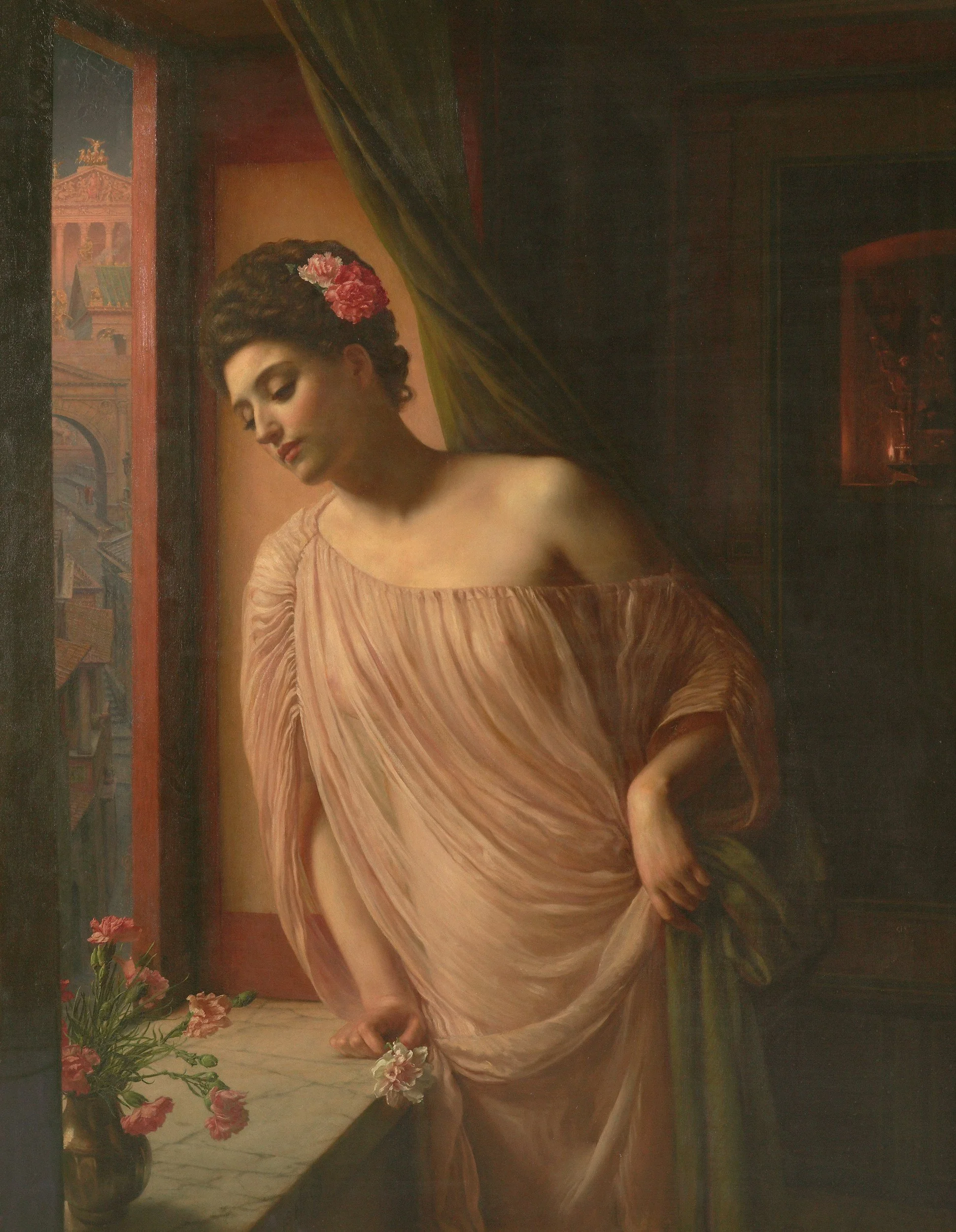
Prudentia: The Virtue That Chooses Without Fantasy
If clementia governed power, prudentia governed choice.
Prudentia was not intelligence.
It was not insight.
It was not moral clarity.
Prudentia was the capacity to decide well under imperfect conditions—and to live with what that decision cost.
Rome did not imagine a world of optimal options. It assumed constraint, tradeoffs, timing errors, and irreversibility.
Prudentia was the virtue that operated inside that realism.
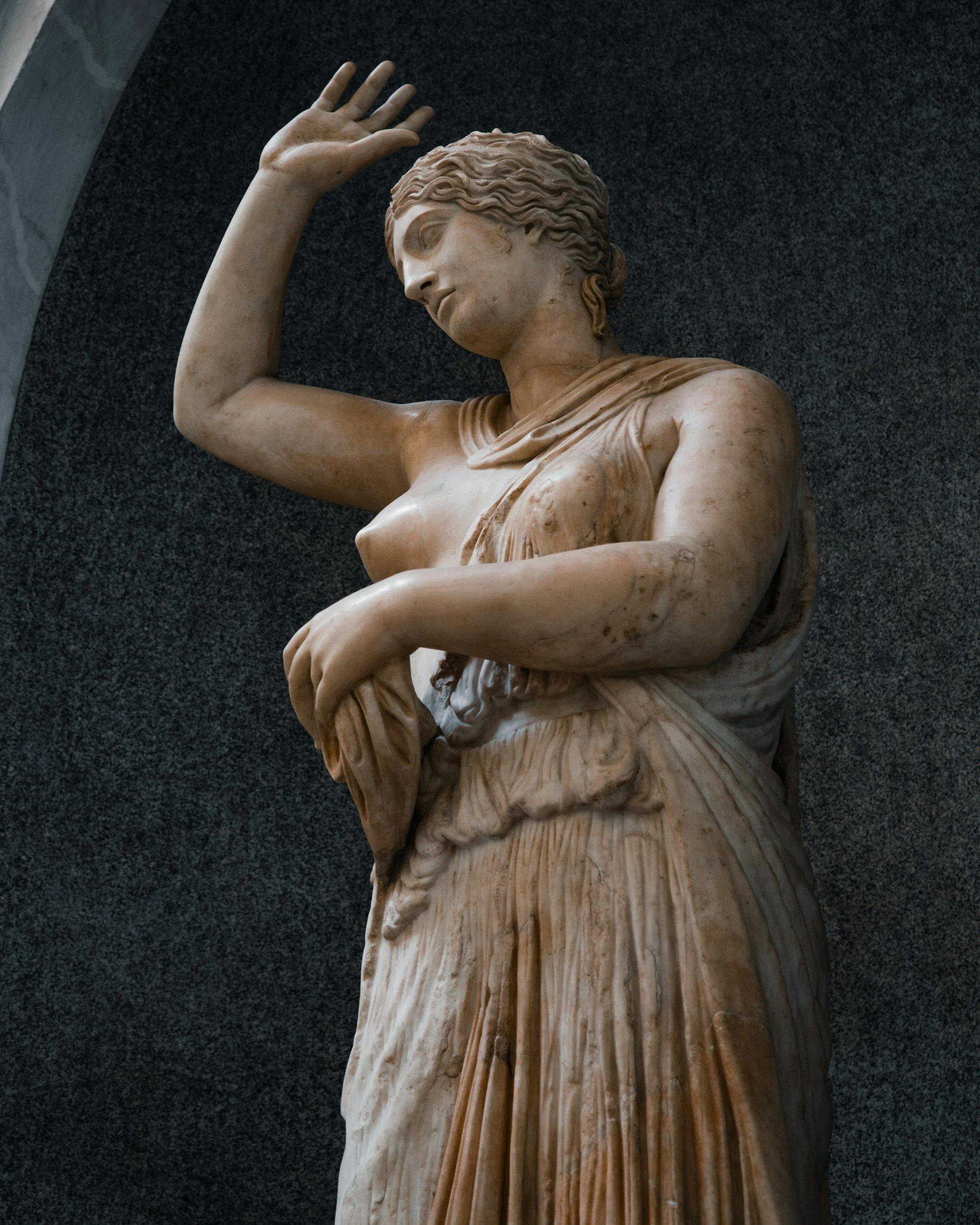
Clementia: Why the Most Powerful People Once Trained Themselves to Restrain Power
Rome understood something modern culture does not like to admit:
Power is most dangerous when it believes itself justified.
Clementia was not kindness.
It was not forgiveness.
It was not emotional generosity.
Clementia was restraint—by those who could destroy and chose not to.
That distinction mattered.
In Roman political life, mercy was meaningful only when it was voluntary. Mercy extracted by pressure was not virtue; it was capitulation.
Clementia required asymmetry: one party held decisive advantage and declined to exercise it fully.
The refusal was the point.
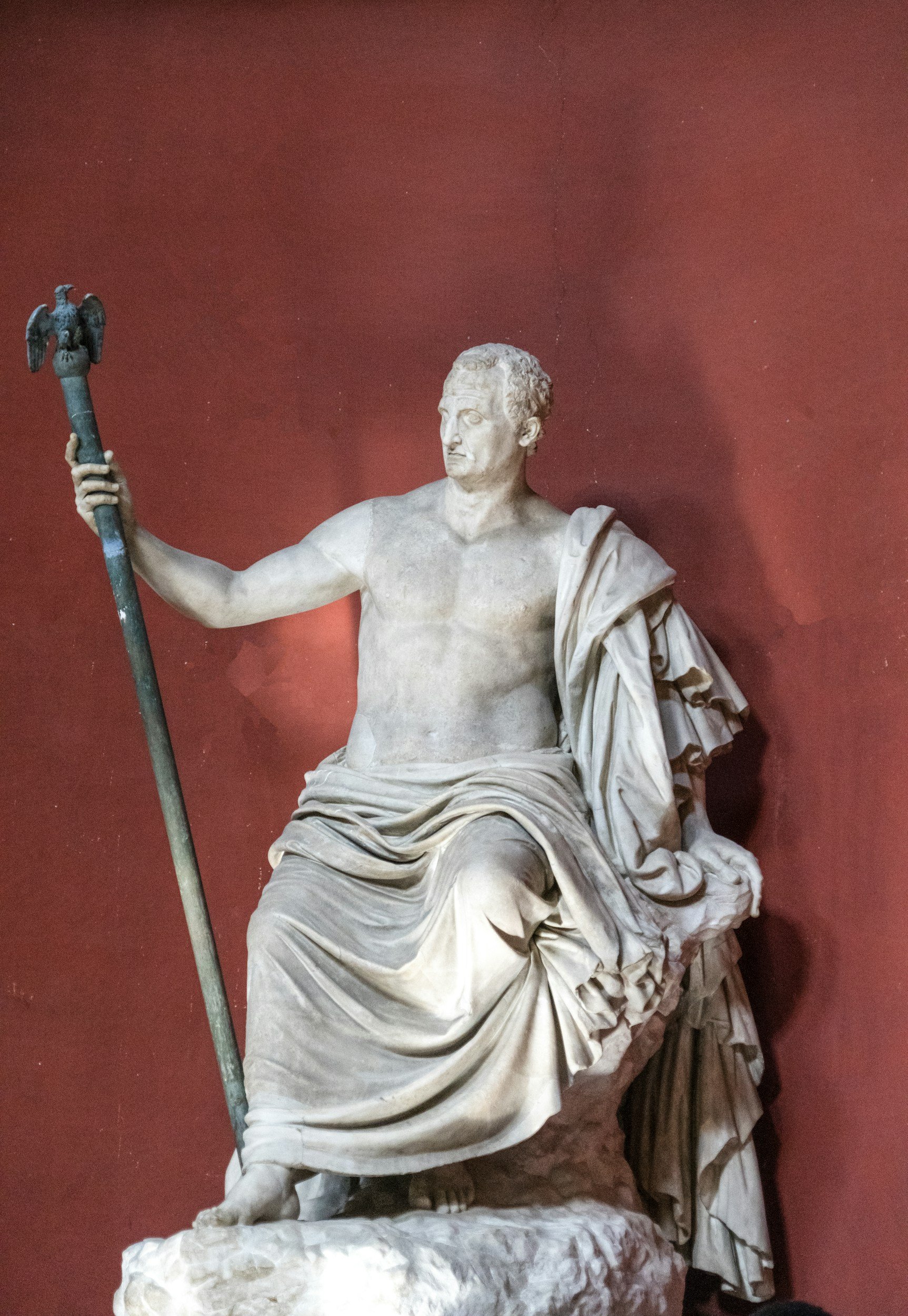
Auctoritas: The Roman Virtue That Ends Deliberation
Auctoritas is not power.
It is not control.
It is not charisma with a microphone.
Auctoritas exists to end deliberation.
The Romans were precise about this. They distinguished imperium—the power to command—from auctoritas—the condition under which command becomes unnecessary.
Modern culture erased that distinction.
Rome never did.
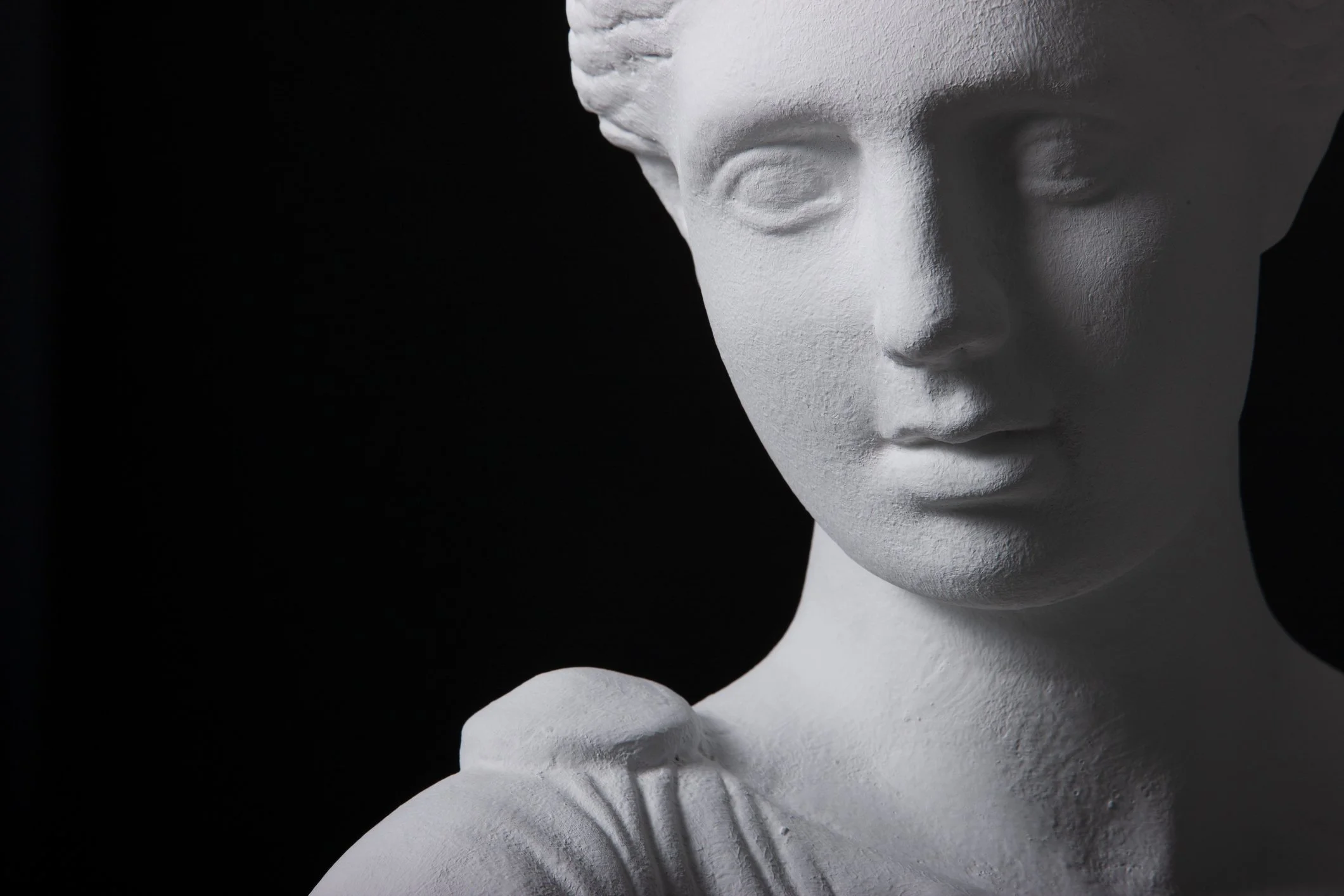
Comitas: The Roman Virtue That Makes Annoying People Bearable
Comitas is not friendliness.
It is not warmth.
It is not charm deployed for approval.
Comitas is social ease without intimacy.
The Romans named it because they understood something modern culture has forgotten:
some adult life happens among people you do not love, do not choose, and do not fully trust—and yet must cooperate with anyway.
Comitas was the virtue that made that possible without cruelty or collapse.
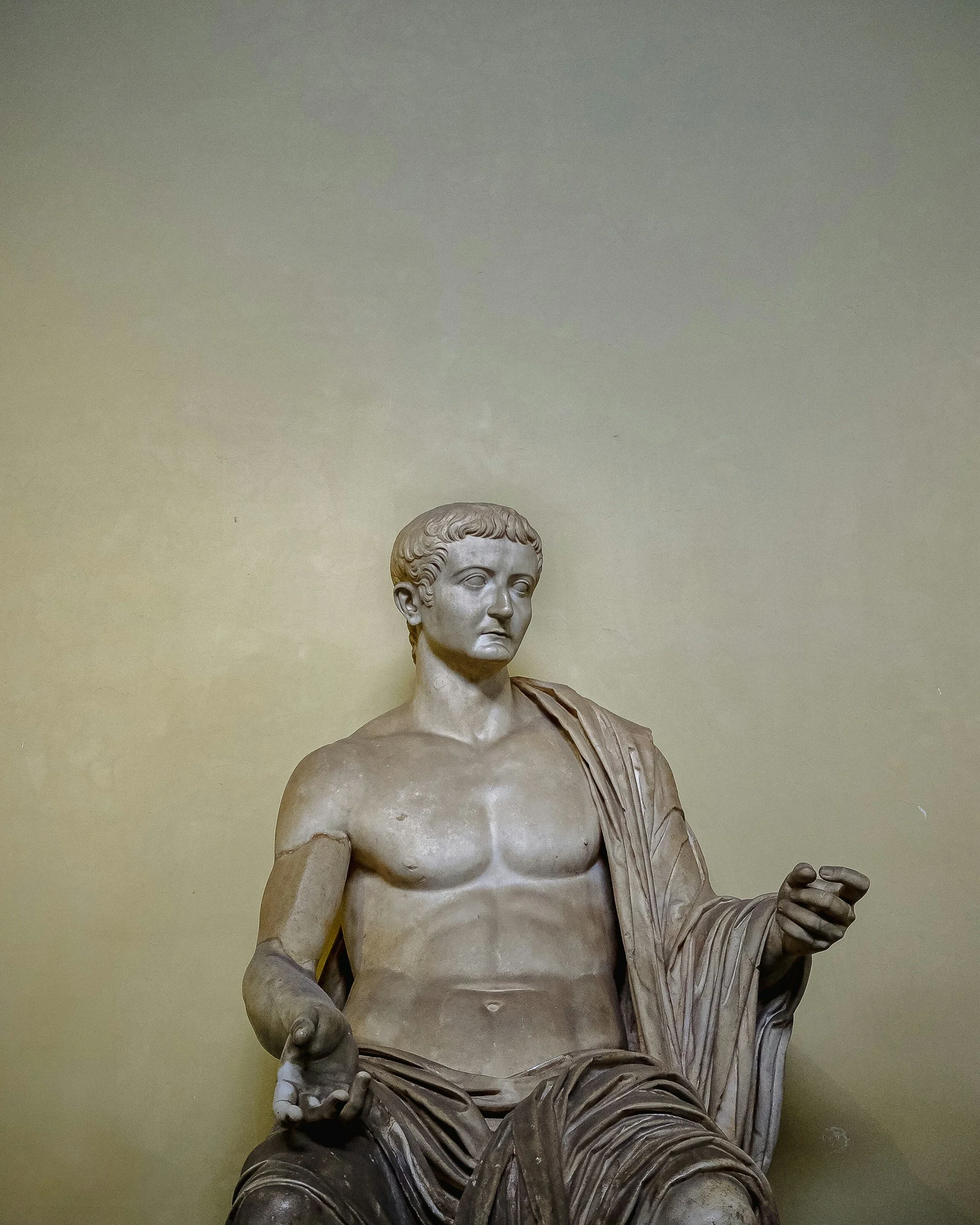
Dignitas: The Roman Virtue of Worth You Do Not Have to Broadcast
Dignitas is not self-esteem.
It is not confidence.
It is not an internal sense of worth.
Dignitas is the condition under which a person can be trusted without supervision.
The Romans used the word to describe a form of adult standing modern culture has quietly dismantled: worth accrued through visible conduct over time, such that explanation, assertion, and monitoring became unnecessary.
You did not feel dignified.
You became dignified—by behaving in ways that reduced the need to watch you.
Patientia: The Roman Virtue of Enduring Without Resentment
Patientia is not passivity.
It is not self-abandonment.
It is not “being the bigger person.”
Patientia is the capacity to absorb time without converting strain into resentment.
The Romans named patientia because they understood something modern culture resists:
time itself is a load.
And not everyone can carry it without poisoning what they are inside.
Patientia was the virtue that allowed systems—families, marriages, institutions—to survive periods when nothing could be fixed and nothing could be rushed.
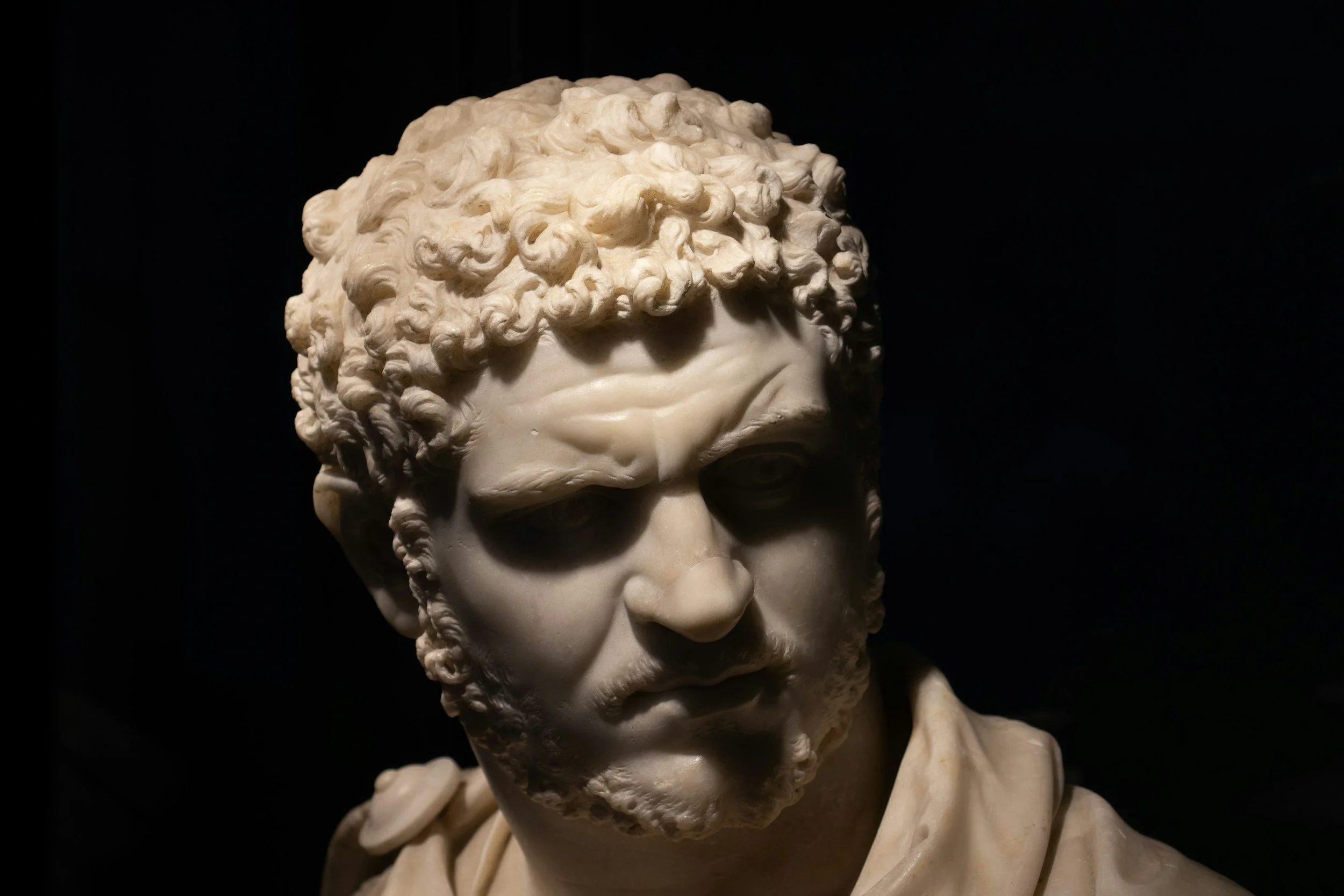
Why Modern Culture Fears Severitas (And Why It Needs It)
Severitas is not cruelty.
It is not punishment.
It is not emotional coldness dressed up as discipline.
Severitas is the virtue that ends what explanation cannot save.
The Romans used the word to name a form of adulthood modern culture has nearly lost: moral seriousness in the presence of decay.
Not dramatizing it.
Not therapizing it.
Not aestheticizing it.
Stopping it.
Severitas was the capacity to recognize when a pattern had crossed from complexity into corrosion—and to withdraw permission without spectacle.

Disciplina: Freedom’s Forgotten Precondition
Disciplina was not punishment.
Disciplina did not mean harshness.
It did not mean deprivation.
And it did not mean moral severity.
Disciplina meant internal containment.
To the Romans, freedom was not the absence of limits.
It was the ability to hold oneself steady without requiring constant external control.
A person with disciplina could feel desire without obeying it.
They could experience anger without discharging it.
They could carry power without becoming reckless.
Disciplina was not about denying impulse.
It was about deciding who—or what—was in charge.
As Roman social historian Carlin Barton makes clear, disciplina was the virtue that made authority credible. A person who could not govern themselves could not be trusted with intimacy, responsibility, or force.
Disciplina made agency believable—because it was contained.
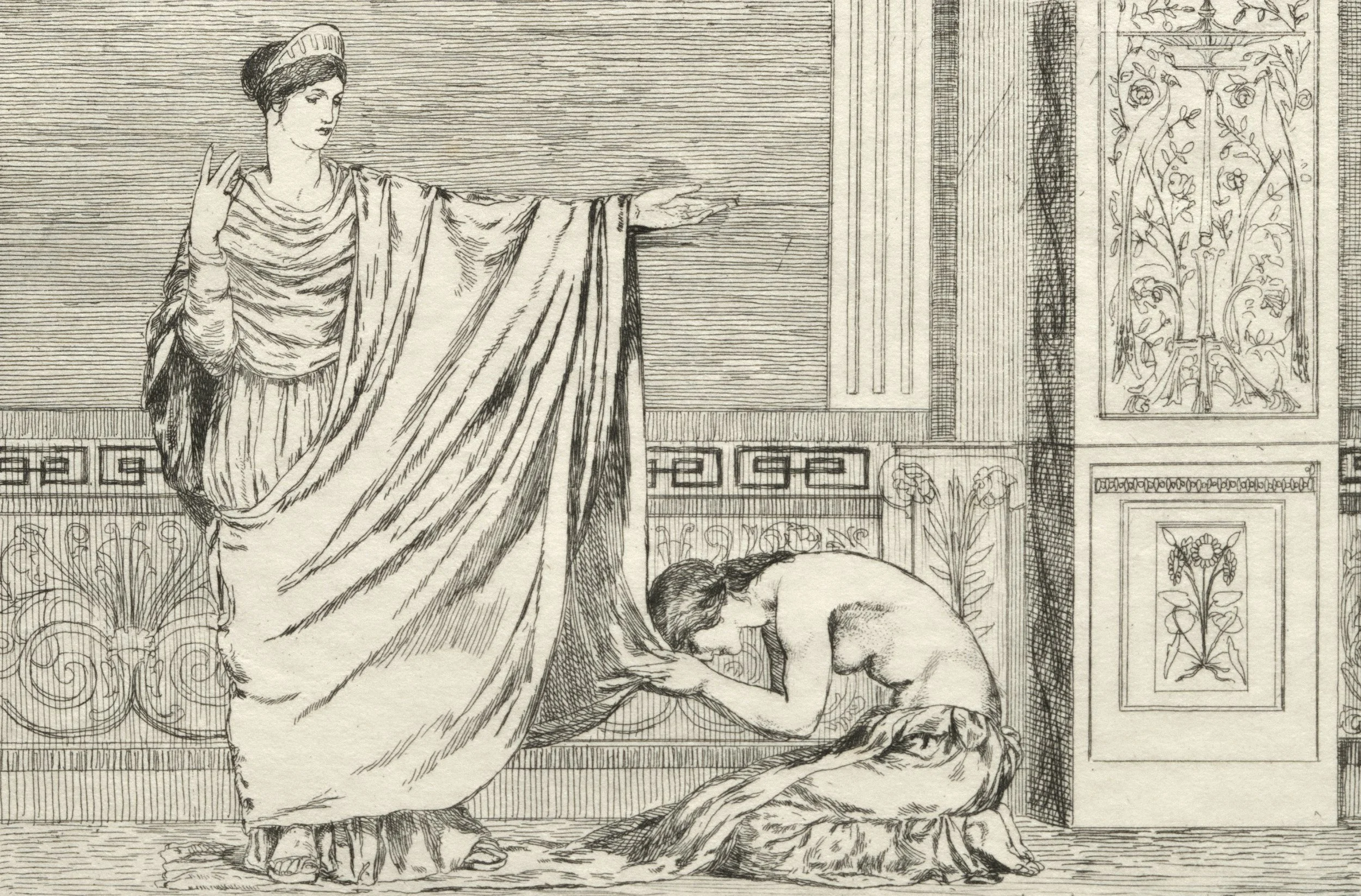
Constantia: Staying the Same While Feelings Change
Constantia was not endurance.
Constantia did not mean staying at all costs.
It did not mean gritting your teeth through harm.
And it did not mean emotional numbness.
Constantia meant continuity of character.
To the Romans, adulthood was defined by whether a person remained recognizably themselves across changing circumstances.
Mood could fluctuate. Desire could rise and fall. Fear could appear.
Character was expected to hold.
A person with constantia did not reorganize their values every time their internal weather shifted.
They did not treat every emotion as instruction. They did not mistake intensity for truth.
As Roman social historian Carlin Barton notes, Roman virtue culture was deeply wary of volatility.
Emotional instability was not read as authenticity; it was read as a failure of self-governance.
Constantia made trust possible because it made people predictable.
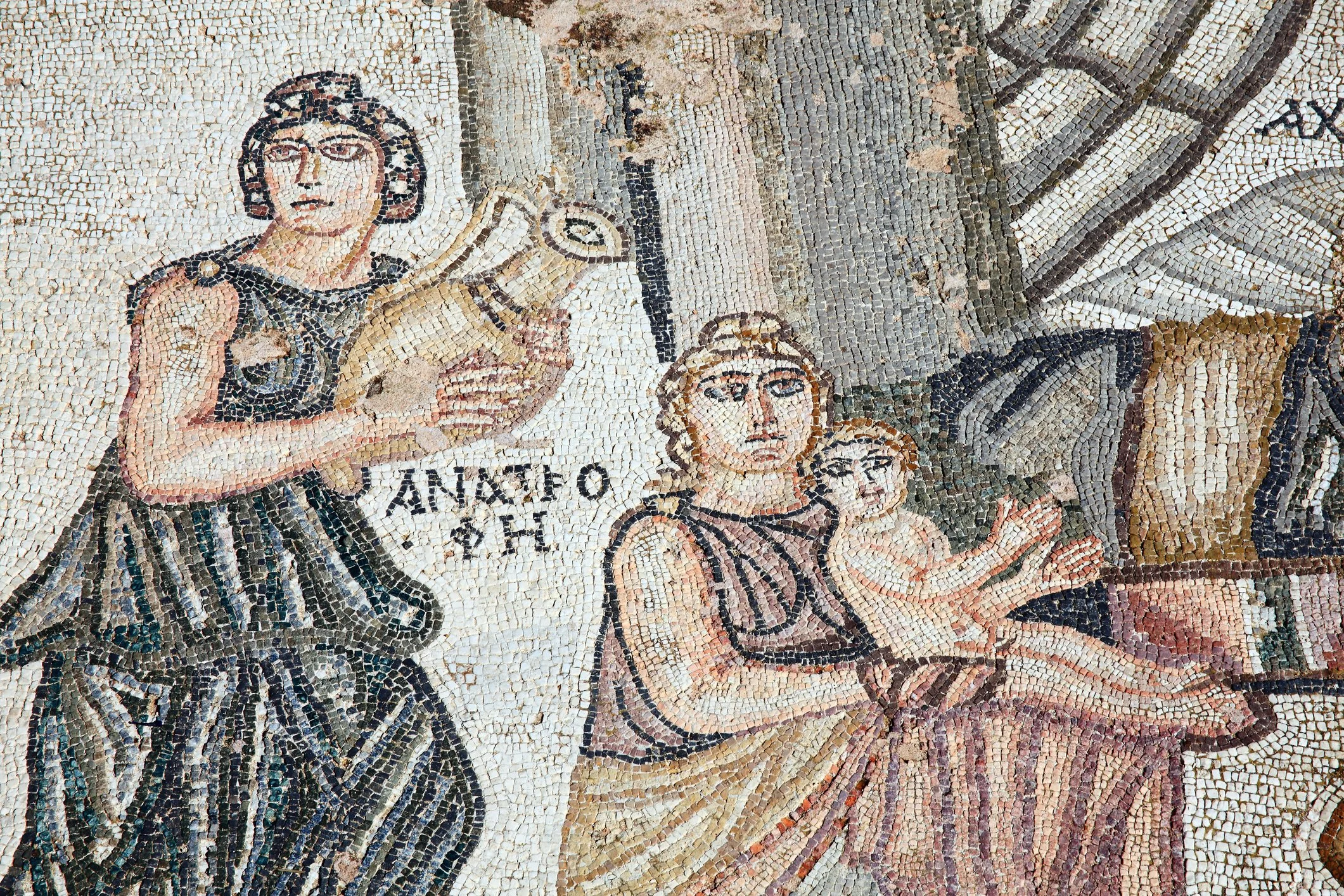
Pietas: When Obligation Became a Dirty Word
Pietas was not obedience.
Pietas did not mean submission.
It did not mean compliance.
It did not mean erasing oneself for authority.
Pietas meant responsibility to what made you.
Family.
Community.
Institutions.
Ancestors.
The future.
To the Romans, adulthood was not defined by independence.
It was defined by continuity.
A person with pietas understood that they stood inside a chain of obligation that ran backward and forward in time.
They did not invent themselves. And they were not free to pretend otherwise.
As Roman social historian Carlin Barton notes, Roman moral life assumed that identity was inherited before it was chosen.
Virtue did not begin with preference. It began with position.
Pietas made social life durable because it bound folks to something larger than their momentary feelings.