
Welcome to my Blog
Thank you for stopping by. This space is where I share research, reflections, and practical tools drawn from my experience as a marriage and family therapist with an international practice.
I write about what happens to desire, attachment, and meaning once the early myths stop working.
Are you a couple looking for clarity? A professional curious about the science of relationships? Or simply someone interested in how love and resilience work? I'm glad you've found your way here. I can help with that. I'm accepting new clients, and this blog is for the benefit of all my gentle readers.
Each post is written with one goal in mind: to help you better understand yourself, your partner, and the hidden dynamics that shape human connection
Grab a coffee (or a notebook), explore what speaks to you, and take what's useful back into your life and relationships.
And if a post sparks a question, or makes you realize you could use more support, l'd love to hear from you. Let's explore the scope of work you'd like to do together.
Be Well, Stay Kind, and Godspeed.
~ Daniel
P.S.
Feel free to explore the categories below to find past blog posts on the topics that matter most to you. If you're curious about attachment, navigating conflict, or strengthening intimacy, these archives are a great way to dive deeper into the research and insights that l've been sharing for years.
- Attachment Issues
- Coronavirus
- Couples Therapy
- Extramarital Affairs
- Family Life and Parenting
- How to Fight Fair
- Inlaws and Extended Families
- Intercultural Relationships
- Marriage and Mental Health
- Married Life & Intimate Relationships
- Neurodiverse Couples
- Separation & Divorce
- Signs of Trouble
- Social Media and Relationships
- What Happy Couples Know


Loving While Anxious: Navigating Romance with Social Anxiety and a Neurodivergent Brain
Let’s talk about love, panic, and the tiny mutiny of being yourself.
Falling in love when you're neurodivergent and socially anxious is a bit like trying to waltz with a fire alarm strapped to your chest.
You want closeness—but your body sometimes treats it like an ambush.
You crave connection—but also fear melting into a puddle of misread facial expressions, sensory overload, or an emotional hangover that lasts three business days.
And yet, neurodivergent souls aren't unlovable—they’re just out here trying to find love while running a very different operating system. It's not a dating problem. It's a translation problem.
What’s Actually Happening: When Social Anxiety Meets Neurodivergence

Managing Social Anxiety While Neurodiverse
Imagine walking into a room and feeling like every eye is a microscope.
Now add the disorienting static of a sensory system tuned to frequencies others don’t even register. For neurodiverse individuals, social anxiety isn't just fear of judgment—it’s often a physiological storm, a moral performance, and a full-time job of masking.
Managing social anxiety while neurodiverse isn’t about trying to become someone you’re not. It’s about noticing, accommodating, and gently renegotiating the terms of engagement with a world built for different brains.
This post explores what social anxiety looks like in neurodiverse lives—ADHD, autism, giftedness, sensory processing differences—and what science, lived experience, and therapeutic insight say about navigating it.

A Modest Guide to Autistic Romance
If traditional romance feels like navigating a maze blindfolded, autistic romance offers a clearly lit path—complete with well-marked signs, rest areas, and amusing commentary along the way.
Forget about roses, cryptic glances, and surprise dinners; autistic love is about radical honesty, thoughtful structure, and sensory-safe cuddles.

The Healing Arc of a Neurodivergent Situationship: Love, Liminality, and Letting Go
It started with vibe checks and late-night texting. No labels. No expectations. Just a lot of “you up?” followed by “sorry I fell asleep.”
You weren’t dating—but you weren’t not.
And when it ended, you didn’t know whether to cry or ghost them back retroactively.
Welcome to the healing arc of a situationship, that most liminal of modern love stories: too undefined to celebrate, too significant to forget.
Situationships are “emotionally intimate but non-committed romantic or sexual relationships,” often maintained without explicit agreements (LeFebvre, 2018). In our ghosting-and-glitter era, they’ve become not just common—they’re almost normative.
that’s a special problem for ND folks.
You’re not single. You’re not taken. You’re in the emotional equivalent of an airport lounge—soft lighting, temporary snacks, and no guarantee you’re getting on the plane.

Relationship Audit Season: When Your Love Life Gets a Performance Review
It’s spring. The sun is peeking out. The crocuses are brave. And you and your partner are staring at each other across the dinner table like overworked coworkers in a dimly lit HR cubicle.
Why? Because it’s Relationship Audit Season.
Just like tax time, something about the seasonal shift makes people want to review the balance sheet of their emotional lives. Are we aligned? Are we growing? Why did you stop planning date night in February? And what exactly was that passive-aggressive emoji you texted my mom?
Why Now?

The Quiet Ultimatum: When Silence from your Neuro-Normative Partner Says "Change or I’m Gone"
No Yelling. No Slammed Doors. Just a Vanishing Act with Perfect Manners.
There was no big fight. No ultimatums screamed in kitchen light. Just a subtle shift.
Fewer good mornings. More polite nods. No more future-tense sentences. You weren’t dumped. You were quietly warned.
Welcome to the Quiet Ultimatum—the subtle, often misunderstood moment in a neurodiverse relationship where one partner signals, “This isn’t sustainable,” without ever saying the words.
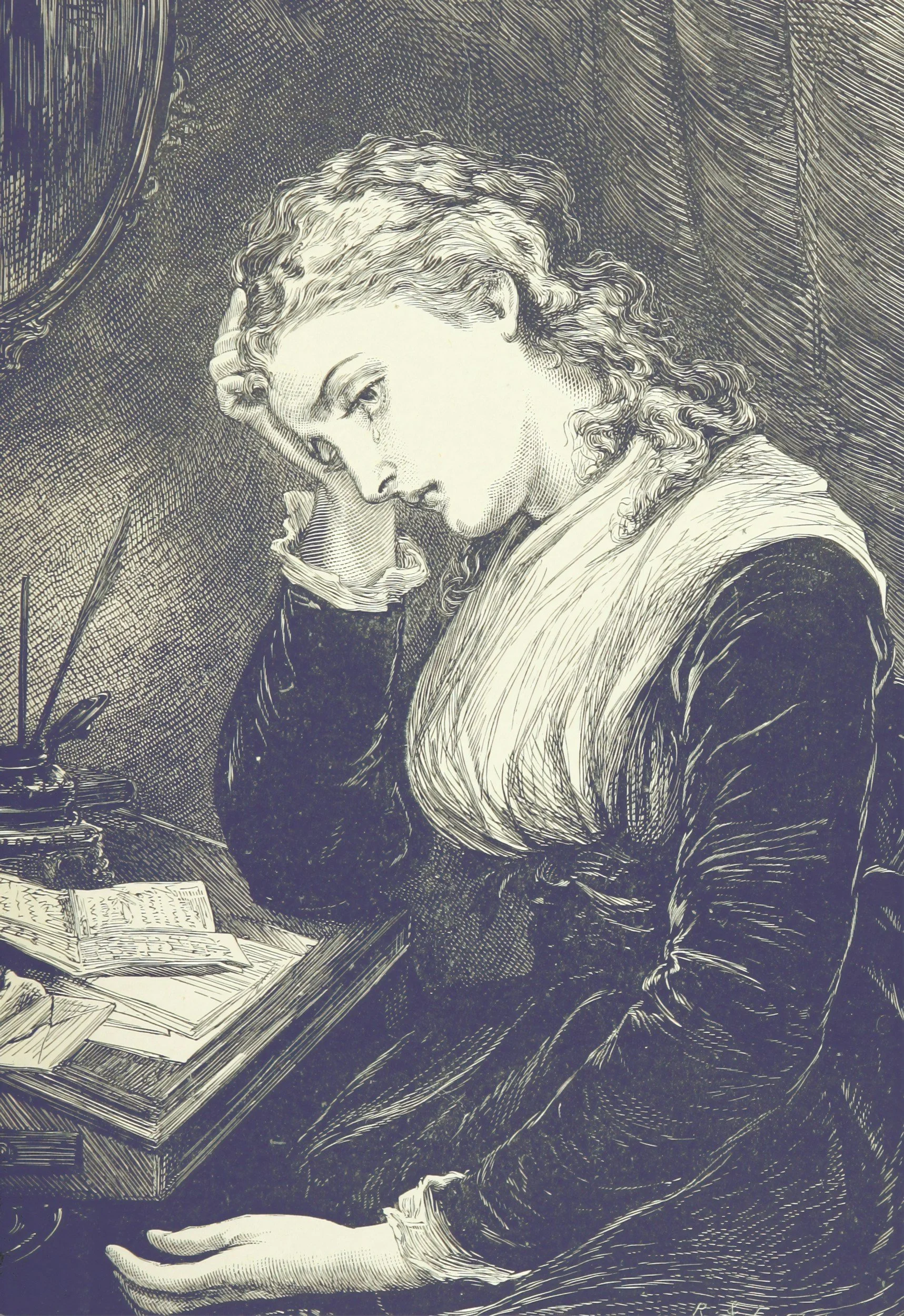
Are You a Functional Melancholic? A Portrait of the Quietly Wounded Who Keep Going
There are people whose sadness is not a scream but a hum.
Who organize their lives like a spreadsheet but walk through each day as if they’ve just read the last page of a tragic novel.
They are thoughtful, conscientious, productive—and permanently bruised somewhere inside.
Welcome to the world of the Functional Melancholic.
Not a psychiatric label. Not a trending TikTok term. Just a lived reality for more people than you'd guess.
What Does It Mean to Be Functional and Melancholic?

Misophonia and Autism: When Sound Becomes a Threat, Not a Quirk
Misophonia is not simply “being annoyed” at sounds.
Autism is not simply “thinking differently.”
And when you combine them, you don’t just get “quirky.”
You get a relationship to sound that can feel like living inside a siege.
The connection between misophonia and autism isn't a coincidence. It’s a shared language of sensory processing—a nervous system that reacts to sounds the way most people react to a fire alarm or an oncoming car: fight, flight, or freeze.
And yet, both in research and popular imagination, we have treated misophonia as a psychological oddity, and autism as a social disability.
We have not, until recently, taken seriously the idea that sound sensitivity itself might be a kind of emotional and neurological trauma in slow motion.

Neurodiverse Courtship: Our First Date Was a Google Doc
Picture this:
Instead of picking a restaurant no one likes and faking small talk until your soul leaks out your ears, you receive a link:
"Shared Google Doc: First Date Itinerary and Communication Preferences."
Romance, in its purest 2025 form.
Welcome to Neurodiverse Courtship —
where love is planned, negotiated, sensory-friendly, and deliciously literal.
Not awkward.
Not cold.
Just different.
Maybe better.
What Is Neurodiverse Courtship?

The Masking Dilemma: How Job Interviews Push Autistic Candidates Into Disconnection
If you’ve ever spent a job interview sweating through your nicest blazer, straining to remember the "right" amount of eye contact, and calculating the microcalories of every smile, you’ve experienced—briefly—what many autistic adults endure every time they apply for a job.
Except for them, it isn’t one uncomfortable afternoon.
It’s a career-long performance.

The Interview Illusion: Why Autistic Adults Get Passed Over—and What Employers Still Don’t Get
A handshake. A smile. A little banter about traffic or your favorite coffee shop. For many employers, this is the sacred opening rite of a job interview. But for autistic adults, it’s often the start of a silent dismissal.
First impressions, we’re told, are everything.
They determine who gets hired, who gets promoted, and—let’s be honest—who gets invited to lunch.

Does Alexithymia, Not Autism, Drive Emotion Recognition Challenges? A Nuanced Look
A new study published in Development and Psychopathology (Standiford & Hsu, 2025) offers a surprising twist on a long-assumed narrative: that difficulty reading emotional expressions—a hallmark often associated with autism—may actually owe more to alexithymia than to autistic traits themselves.
It’s a sharp, compelling insight. But like most compelling insights, it risks being a little too neat.
Let’s dive into what they found, why it matters, and where we need to tread carefully.