
Welcome to my Blog
Thank you for stopping by. This space is where I share research, reflections, and practical tools drawn from my experience as a marriage and family therapist with an international practice.
I write about what happens to desire, attachment, and meaning once the early myths stop working.
Are you a couple looking for clarity? A professional curious about the science of relationships? Or simply someone interested in how love and resilience work? I'm glad you've found your way here. I can help with that. I'm accepting new clients, and this blog is for the benefit of all my gentle readers.
Each post is written with one goal in mind: to help you better understand yourself, your partner, and the hidden dynamics that shape human connection
Grab a coffee (or a notebook), explore what speaks to you, and take what's useful back into your life and relationships.
And if a post sparks a question, or makes you realize you could use more support, l'd love to hear from you. Let's explore the scope of work you'd like to do together.
Be Well, Stay Kind, and Godspeed.
~ Daniel
P.S.
Feel free to explore the categories below to find past blog posts on the topics that matter most to you. If you're curious about attachment, navigating conflict, or strengthening intimacy, these archives are a great way to dive deeper into the research and insights that l've been sharing for years.
- Attachment Issues
- Coronavirus
- Couples Therapy
- Extramarital Affairs
- Family Life and Parenting
- How to Fight Fair
- Inlaws and Extended Families
- Intercultural Relationships
- Marriage and Mental Health
- Married Life & Intimate Relationships
- Neurodiverse Couples
- Separation & Divorce
- Signs of Trouble
- Social Media and Relationships
- What Happy Couples Know


When Childhood Teaches You Not to Settle: Why Unpredictable Upbringings Create Restless Relationships
There is a quiet assumption many people carry into adulthood:
that once you find your person, your nervous system will finally stand down.
This study suggests that for many people, that moment never quite arrives—not because they are avoidant, unloving, or incapable of intimacy, but because their early environment trained them to keep scanning for exits.
The research, published in Evolutionary Psychology, examines adults who grew up in harsh or unpredictable childhood environments and asks a blunt question:
What if the problem in their adult relationships isn’t attachment alone—but strategy?

Why Revolutionary Road Still Hurts More Than Strangers When We Meet
Strangers When We Meet was published in 1958.
Revolutionary Road followed just three years later.
Those three years matter.
They sit exactly at the moment when postwar American adulthood stops feeling provisional and starts feeling permanent—when the suburbs, the roles, and the timelines harden from experiment into expectation.
The novels are often grouped together as suburban marriage stories. They shouldn’t be. They are not describing the same marital problem. They are describing adjacent stages of cultural closure.
Strangers When We Meet is written before the seal fully sets.
Revolutionary Road is written after.
That difference explains everything.

Strangers When We Meet and the American Talent for Living Correctly While Feeling Nothing
Strangers When We Meet is not a novel about adultery.
That interpretation belongs to a later moral economy.
It is a novel about American adulthood at the moment emotional dissatisfaction became common but remained culturally illegible—when lives worked, marriages held, and silence passed for maturity.
This is not a love story.
It is a cultural document.
1958 America: stability was solved, interior life was deferred.
By 1958, the United States had achieved something rare and deeply misleading: mass adult stability.
The war was over.
The middle class was expanding.
Marriage was normative.
Divorce was still embarrassing.
Work followed predictable arcs.
The system functioned.

Emotional Neglect Without Abuse: Why Some Modern Marriages Feel Empty but Stable
There is a particular kind of marital pain that doesn’t announce itself.
There is no yelling.
No infidelity.
No cruelty dramatic enough to justify a decisive sentence.
From the outside, the marriage looks solid—often impressive. Inside, it feels oddly vacant. Polite. Functional. Like a household optimized for survival rather than connection.
This is emotional neglect without abuse, and it may be the most common relationship pattern of modern marriage.

My Marriage Feels Like a Meeting
If your marriage feels like a meeting, it is probably functioning very well.
Ironically, that is probably your biggest problem.
Many couples arrive at this realization without drama. There is no betrayal, no major conflict, no obvious unhappiness.
Just a slow recognition that time together feels procedural. Agenda-driven. Strangely professional.
You don’t argue.
You coordinate.
You don’t wonder about each other.
You update each other.
You leave conversations informed—but not nourished.
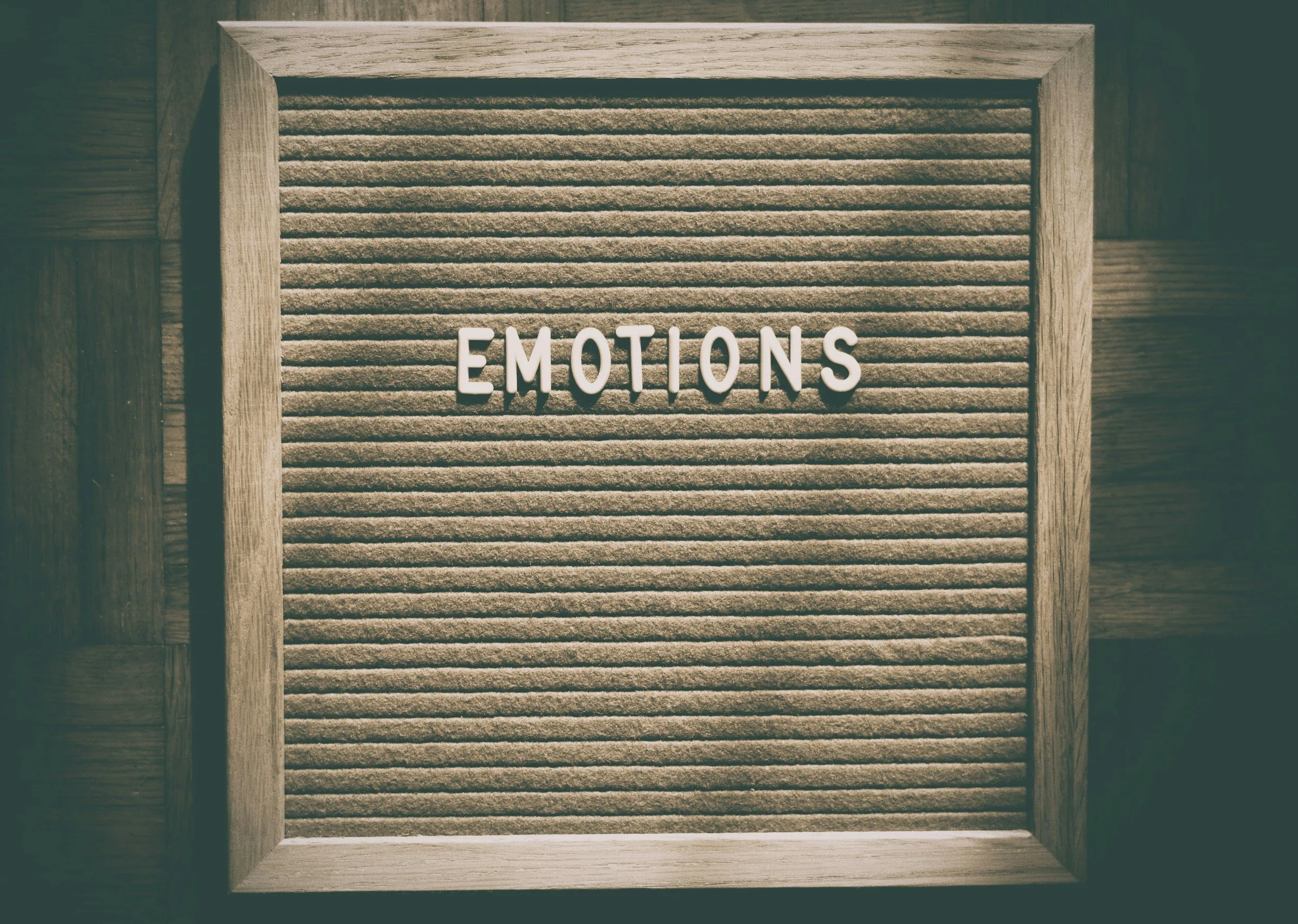
Is It Normal for Married Couples Not to Talk About Feelings?
Short answer: yes, it’s common.
Long answer: it’s common for reasons that quietly tend to hollow marriages out over time.
Some married couples do not talk about feelings in any sustained or reflective way.
They talk about logistics. They coordinate schedules. They solve problems. They exchange information efficiently and politely. They may even be kind.
But emotional language—the naming of fear, desire, disappointment, longing—slowly disappears.
This is not a personal failure. It is a social outcome of modern marriage.
And it is not neutral.

Emotional Over-Optimization in Modern Marriage: Why Talking About Your Feelings Isn’t Working Anymore
Modern couples are not emotionally avoidant.
They are emotionally over-regulated.
They identify feelings quickly, name them accurately, and share them promptly. They speak fluently in the language of insight—activation, triggers, needs, repair.
They do not withhold. They do not stonewall. They do not pretend not to know what is happening inside them.
And yet, many of these couples report the same quiet outcome:
clarity without closeness, communication without vitality, intimacy without heat.
When emotional regulation replaces emotional integration, intimacy becomes stable—and lifeless.
The problem is not a lack of emotional language.
It is the loss of emotional latency.

The Intimacy Problem No One Is Naming: Emotional Over-Optimization in Modern Marriage
Modern couples do not avoid feelings.
They manage them.
They track them.
They narrate them.
They surface them early and often, in the name of health, honesty, and relational hygiene.
And yet—many of the marriages that land in therapy today are not emotionally frozen. They are emotionally over-processed.
The problem is not emotional avoidance.
It’s emotional over-optimization.

The Weight of "Maybe Next Year"
It’s January 1st. The air is sharp, the calendar is empty, and if you’re anything like the people I sit across from every week, you’re humming with equal parts ambition and low-grade panic.
Americans love a Fresh Start.
We love the fantasy that the version of us who didn’t exercise, didn’t save, didn’t speak up, or didn’t leave can be quietly deleted at midnight and replaced with someone sleeker and more disciplined by morning.
But here’s the clinical reality:
Change is not a light switch.
It’s a nervous system negotiation.
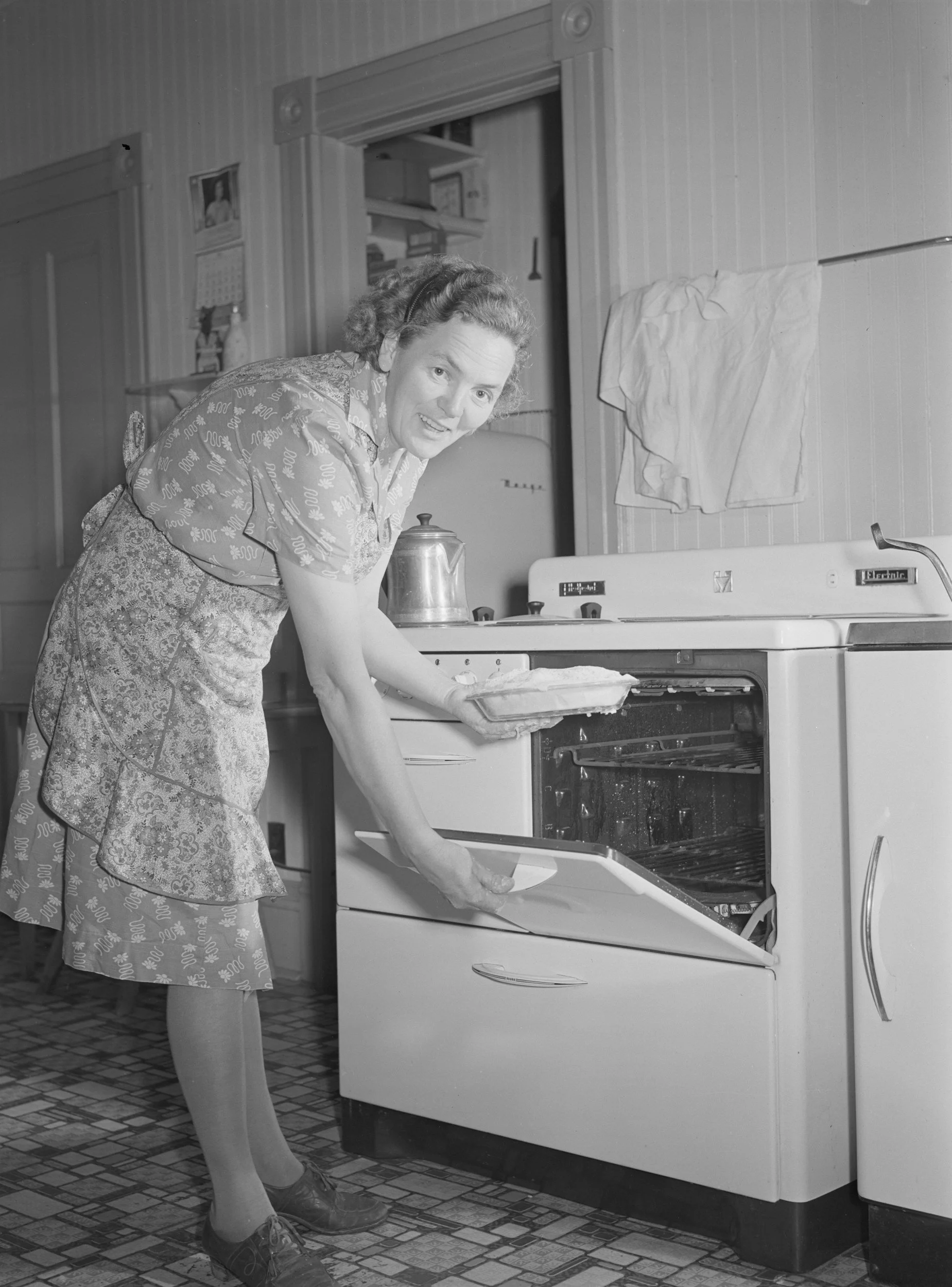
Household Labor, Mental Load, and Why Fairness Still Fails Women
There is a sentimental belief in modern relationships that fairness will eventually sort itself out if both partners are decent people.
This belief has survived research, experience, and children.
A new study published in Psychology of Women Quarterly examines how household labor and decision-making power affect relationship satisfaction among women partnered with men versus women partnered with women.
The findings are clarifying. They are also not new.
Women partnered with men do more unpaid household labor.
Mothers partnered with men do much more.
And having a “voice” in decisions does nothing to improve their satisfaction.
So much for progress.

Household Labor, Mental Load, and Relationship Satisfaction: Why Women Still Do the Work
There is a touching belief in modern relationships that fairness will eventually appear if everyone has good intentions.
This belief has survived decades of data, countless conversations, and the arrival of children.
A recent study published in Psychology of Women Quarterly confirms what many women already know: fairness does not quietly materialize—especially if you are a mother partnered with a man.
Women partnered with men do more household labor.
Mothers partnered with men do much more.
And being given a “voice” in decisions does not improve the situation.
This is not a misunderstanding.
It is the system operating exactly as designed.
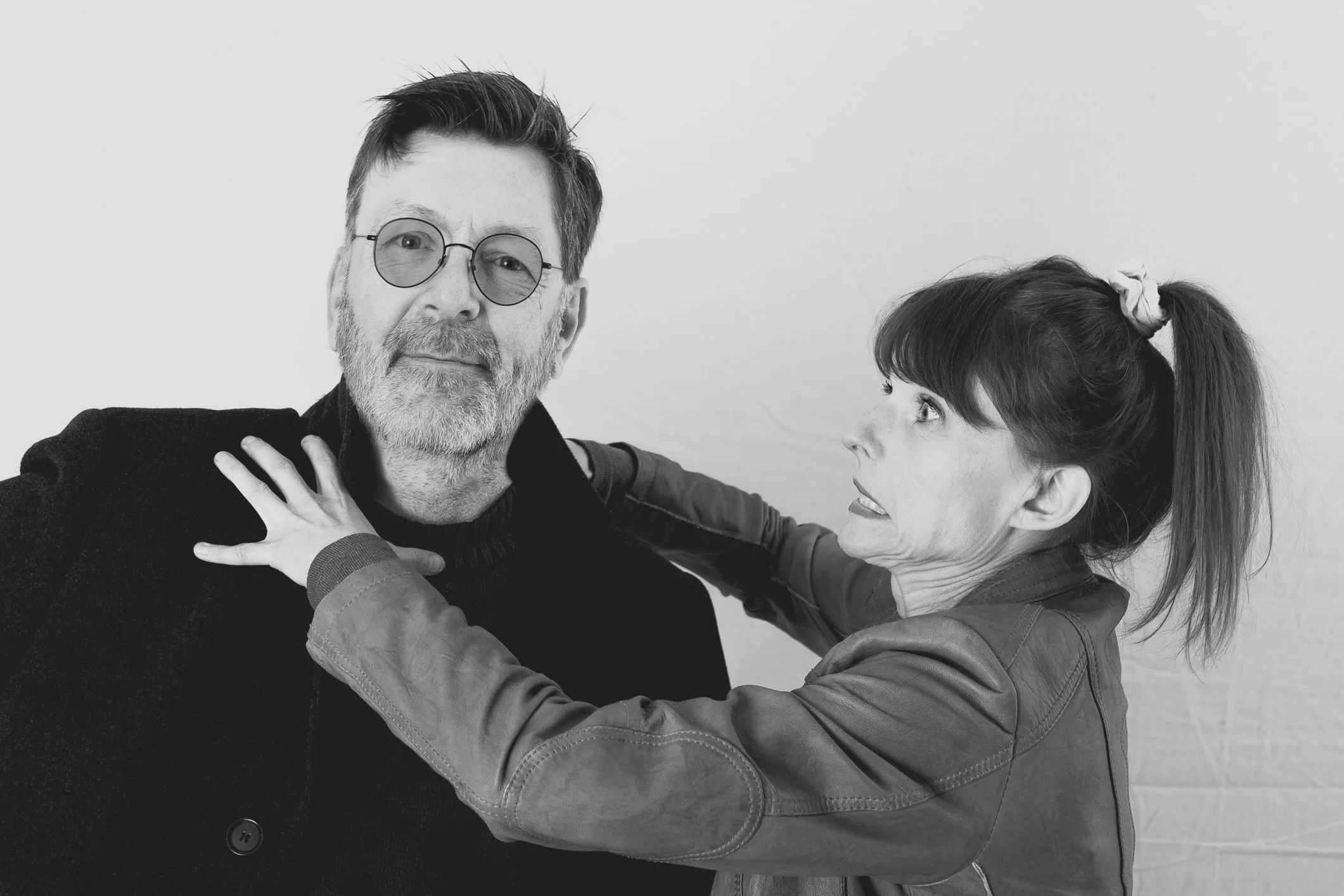
Passive Aggression Is Not a Personality Trait. It’s a Nervous System Strategy
As a passive-aggressive man in recovery, I think that passive aggression has been badly misbranded.
It’s usually described as immaturity, manipulation, or a failure of character—something vaguely petty that emotionally competent adults are supposed to outgrow. Which is convenient, moralizing, and mostly wrong.
Passive aggression isn’t passive. It’s what protest looks like under constraint.
What we call passive aggression is not a flaw in communication. It is a constrained form of emotional protest that emerges when the nervous system perceives direct expression as unsafe, ineffective, or destabilizing to attachment.
Once you understand the system behind it, the behavior stops looking childish and starts looking exhausted.