Welcome to my Blog
Thank you for stopping by. This space is where I share research, reflections, and practical tools drawn from my experience as a marriage and family therapist with an international practice.
I write about what happens to desire, attachment, and meaning once the early myths stop working.
Are you a couple looking for clarity? A professional curious about the science of relationships? Or simply someone interested in how love and resilience work? I'm glad you've found your way here. I can help with that. I'm accepting new clients, and this blog is for the benefit of all my gentle readers.
Each post is written with one goal in mind: to help you better understand yourself, your partner, and the hidden dynamics that shape human connection
Grab a coffee (or a notebook), explore what speaks to you, and take what's useful back into your life and relationships.
And if a post sparks a question, or makes you realize you could use more support, l'd love to hear from you. Let's explore the scope of work you'd like to do together.
Be Well, Stay Kind, and Godspeed.
~ Daniel
P.S.
Feel free to explore the categories below to find past blog posts on the topics that matter most to you. If you're curious about attachment, navigating conflict, or strengthening intimacy, these archives are a great way to dive deeper into the research and insights that l've been sharing for years.
- Attachment Issues
- Coronavirus
- Couples Therapy
- Extramarital Affairs
- Family Life and Parenting
- How to Fight Fair
- Inlaws and Extended Families
- Intercultural Relationships
- Marriage and Mental Health
- Married Life & Intimate Relationships
- Neurodiverse Couples
- Separation & Divorce
- Signs of Trouble
- Social Media and Relationships
- What Happy Couples Know

We Fixed Mother’s Smile: Welcome to the Age of Synthetic Family Memory
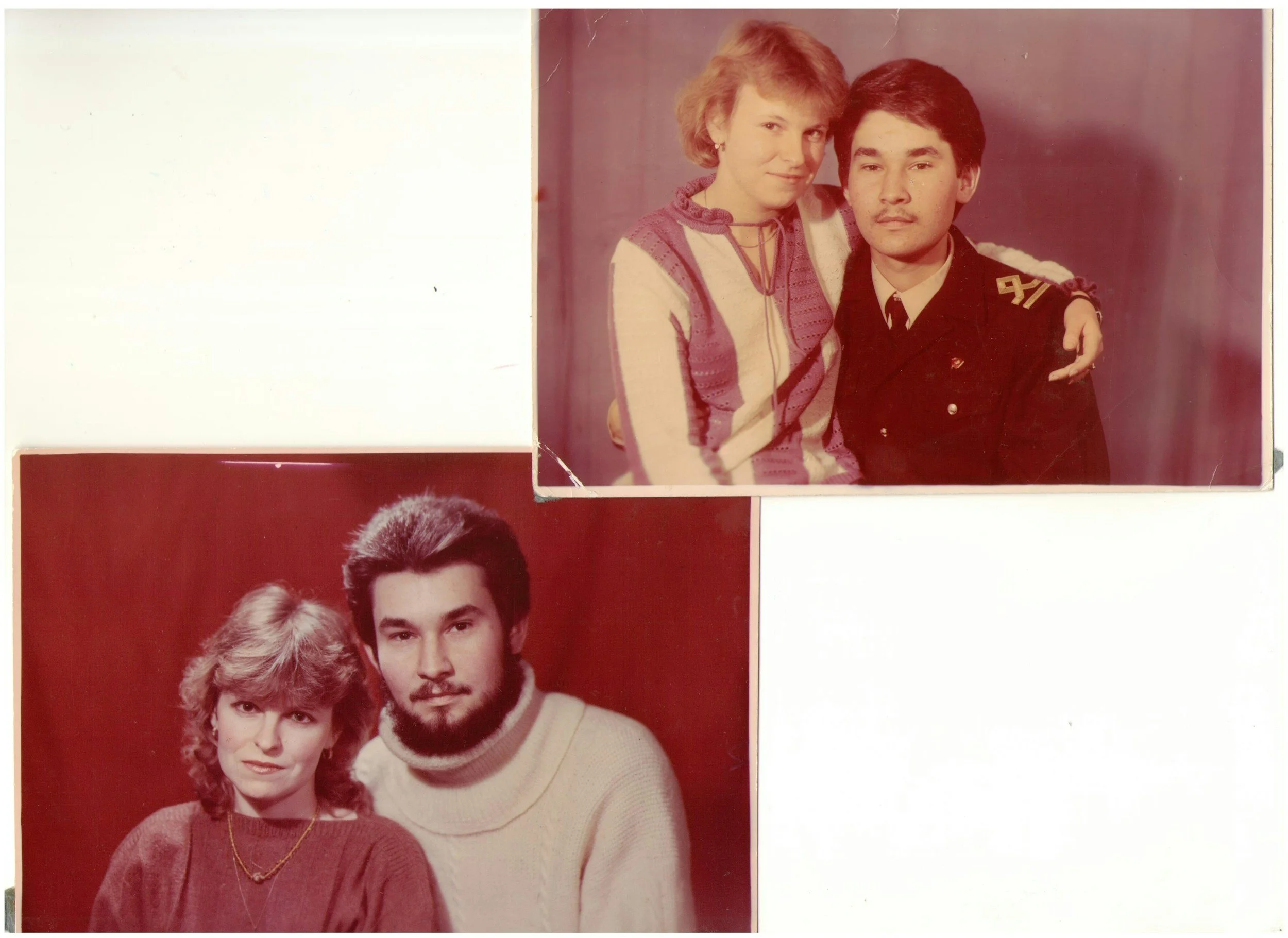
There was a time when a family photograph was permitted to be disappointing.
Someone blinked.
Someone else was chewing.
Mother looked tired because Mother was tired. Your uncle had placed his hand on the wrong woman’s waist. The toddler was attempting to leave the family altogether.
The photograph did not capture the family at its best.
It captured the family.
This was considered sufficient.
Years later, the picture might emerge from an envelope smelling faintly of dust and somebody’s basement. Everyone would gather around it and begin litigating the past.
“That was the Christmas your father lost his job.”
“No, it wasn’t.”
“Yes, it was. Look at him.”
“I think he was just drunk.”
The photograph could not settle the argument. Photographs have never been objective.

Couples Therapy in the Age of Avatars: When Your Partner Cheats in Pixels
Once upon a time, infidelity required sneaking into a motel.
In 2025, it may only require logging into World of Warcraft.
Couples now show up in therapy not because of lipstick on a collar, but because one spouse whispered “goodnight love” to a digital elf at two in the morning.
On TikTok, the hashtag #AvatarCheating has millions of views, with users debating whether VR hookups, gaming “marriages,” or late-night AI love-chats should count as betrayal.
Over on Reddit’s r/relationship_advice, one thread asks: “My boyfriend married someone in Final Fantasy XIV. Should I be mad?”
The comments sorta split: half say “yes, absolutely,” the other half dismiss it as “delulu.”

Your Experience Is Now a Legacy System: Middle Age, AI, and the Fear of Becoming Obsolete
There was a time when thirty years of experience made you senior.
Now it makes you a migration problem.
Somewhere in Human Resources, a twenty-eight-year-old with excellent skin is explaining that artificial intelligence will not replace you.
It will merely transform your role, democratize expertise and create exciting opportunities for continuous learning.
You recognize this language.
Your company used something similar before eliminating dental.
The presentation continues.
There are geometric shapes. An arrow points upward.
The word agility appears several times, which is rich coming from an organization that required six meetings to change the conference-room coffee.
Everyone is encouraged to embrace the future.
The younger employees are wondering how quickly they can learn the new system.
The middle-aged employees are wondering whether the new system has already learned them.
Because the fear is not simply that artificial intelligence might perform some of their tasks.
It is that the central bargain of adult life—work hard, become skilled, grow more valuable, protect your family—may no longer be honored.

The Family Panopticon: Are Tracking Apps Making Parents More Anxious?
There was a time when a child left the house and became, for several hours, a rumor.
She was supposedly at Karen’s.
Her bicycle had been spotted near the playground.
Someone’s older sister claimed she saw her buying Swedish Fish at Cumberland Farms.
The intelligence was fragmentary, the sources unreliable, and somehow the republic endured.
Parents worried. Of course they worried. Worry came stapled to the birth certificate.
But worry had nowhere to click.
Now the baby’s breathing is monitored.
The toddler has an AirTag tucked into a sneaker. The elementary school portal announces an unsubmitted worksheet with all the solemnity of a NATO communiqué.
The teenager’s car reports that it exceeded the speed limit by seven miles per hour.
The college student appears to be standing outside a Taco Bell at 1:14 in the morning.
Naturally, Mother would like context.
Nobody has context.
Everybody has coordinates.

The Ungodly Pong of Passive Aggression
Every relationship has a smell.
Some smell like coffee on a Sunday morning. Some smell like garlic, old books, damp Labrador retrievers, and the ordinary miracle of two people growing older without turning it into a documentary.
And then there are relationships with an ungodly pong.
Nobody is shouting. No plates are airborne.
If you ask the couple how things are going, they may tell you they are “fine” with the strained confidence of people attempting to pass a polygraph.
But something is off.
The odor is not coming from what is being said. It is coming from everything that is not.
Passive aggression is what happens when anger is denied admission through the front door and begins crawling through the air vents.
It appears in the theatrical sigh, the strategically forgotten errand, the frosted silence, the mysteriously unfinished task, and the sentence “Do whatever you want,” delivered in a tone suggesting that doing whatever you want will result in eventual identification by dental records.
The Biggest Problem With Masturbation Research Has Nothing to Do With Sex
Sex Researchers, bless their hearts, have spent decades asking millions of folks one simple question.
"Do you masturbate?"
Which sounds perfectly reasonable.
Until you realize it's about as scientifically rigorous as asking,
"Do you exercise?"
One person counts chasing a toddler through Target.
Another trains for an Ironman.
A third considers aggressively opening a pickle jar "upper body."
Congratulations.
You haven't measured exercise.
You've measured everyone's private relationship with the English language.
Sex researchers have been wrestling with exactly this problem for generations.

Your Type May Not Be Your Type
Somewhere, an evolutionary psychologist just spilled coffee.
For thirty years, one of the field's favorite cocktail-party facts has been that men everywhere are secretly attracted to the same waist-to-hip ratio: 0.7.
It was presented as one of those rare scientific certainties, nestled comfortably between gravity and "don't read the comments."
Then a group of Japanese researchers politely wrecked the party.
Their study found that waist-to-hip ratio barely mattered.
Waist-to-bust ratio predicted attractiveness far better.
Interesting?
Sure.
But the measurements aren't the story.
The story is how often psychology mistakes "I've seen this a thousand times" for "I was born this way."
That's not biology.
That's marketing with excellent branding.

The Friendship We Don't See Coming
Nobody schedules an emotional affair.
There isn't a calendar invitation that reads, "3:00–4:00 p.m. Begin slowly transferring intimacy away from marriage."
Life is usually far less theatrical.
Someone remembers you like oat milk.
They save you a seat in the meeting nobody wanted to attend.
They laugh at the joke your spouse would have rolled their eyes at.
A week later they're the first person you text after your presentation. Six months later they're the first person whose opinion you want when something wonderful—or awful—happens.
Nothing dramatic occurred.
And yet everything quietly changed.
The modern workplace is an astonishing machine for creating human attachment.
Think about it. We solve difficult problems together.
We survive impossible deadlines. We decipher inscrutable emails.
We celebrate promotions, mourn layoffs, complain about leadership, swap stories over mediocre coffee, and develop the kind of shorthand that only repeated experience can produce.
Hollywood tells us love arrives with violins.
Relationship science suggests it often arrives with repeated exposure.

Did Dating Apps Make Love Feel Less Meaningful? New Research from Iran Raises a Bigger Question
Every few months, a psychology study arrives wrapped in a headline that sounds like civilization has finally misplaced its car keys.
This week's version goes something like this: dating apps and pornography are eroding our belief in meaningful love.
It's the kind of claim that practically writes its own outrage.
Somewhere, Tinder is being blamed for the collapse of romance, pornography is standing trial for crimes against intimacy, and Cupid is quietly updating his LinkedIn profile.
But that's not actually what the researchers found.
The study, recently accepted for publication in BMC Psychology, is both more careful and more interesting than the headlines suggest.
Researchers surveyed 664 Iranian adults who had used dating apps during the previous year and viewed pornography at least thirty minutes per week during the previous month.
They weren't asking whether dating apps are good or bad, nor were they conducting another referendum on modern relationships. Instead, they explored a far more intriguing question:
When our use of dating apps and pornography begins to resemble addiction, does our understanding of romantic love begin to change?

ADHD Is the New Superpower. Conveniently, Reality Didn't Get the Memo.
There was a time when Americans hid psychological diagnoses.
Now we accessorize them.
Anxiety became evidence that you care deeply.
Introversion became proof you're secretly brilliant.
Trauma became an identity. Somewhere over the last decade, ADHD received perhaps the greatest public relations makeover in modern psychology.
It stopped sounding like a neurodevelopmental disorder and started sounding like a venture capital fund.
Spend ten minutes on social media and you'll be informed that ADHD is practically a prerequisite for founding the next billion-dollar company.
Apparently the inability to remember why you walked into the kitchen is merely the price one pays for disruptive innovation.
It's a wonderfully American story.
Take a genuine struggle.
Rebrand it as an unfair advantage.
Before Someone Becomes a Killer, They Usually Stop Seeing Other People as Human
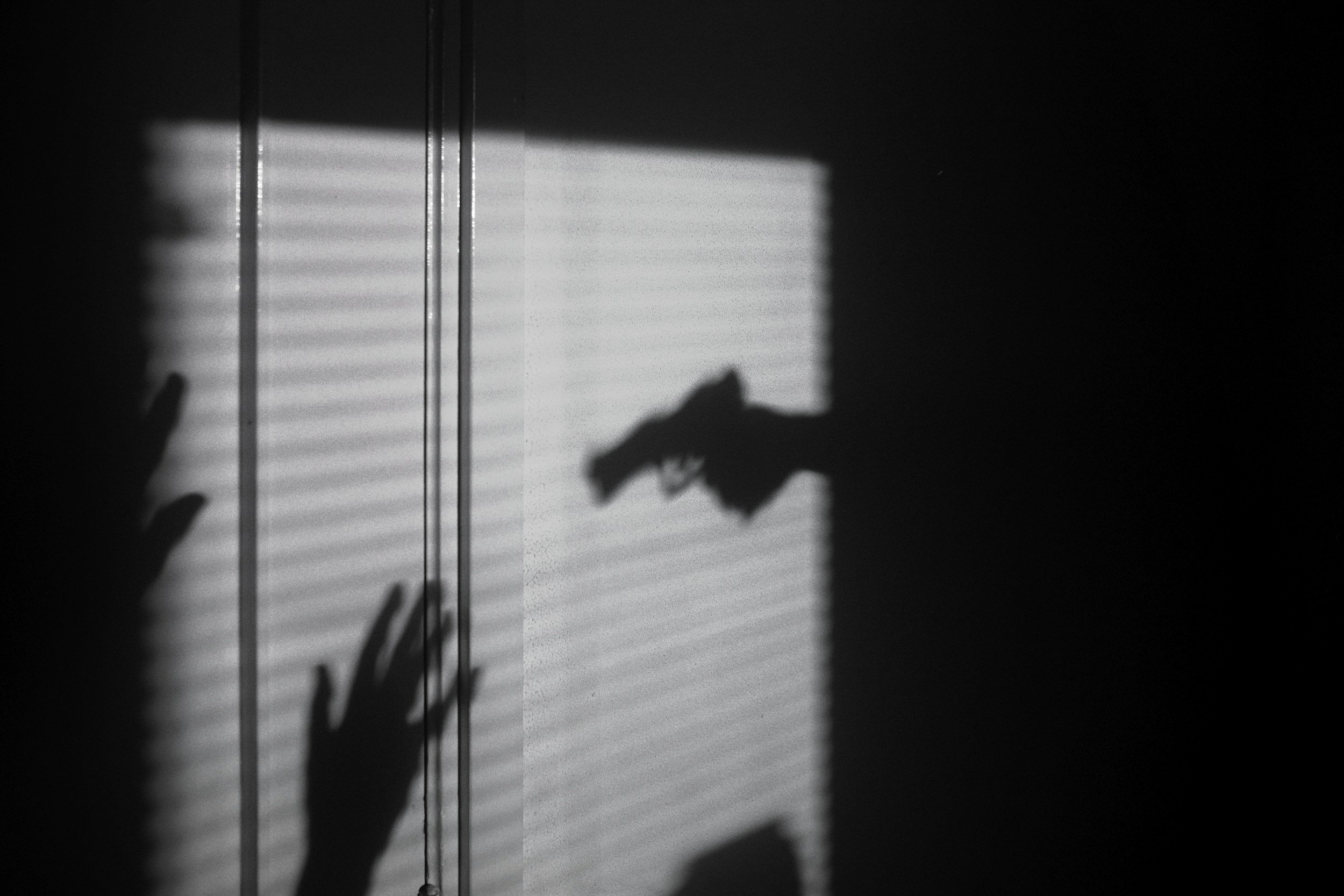
Most people imagine murder as an explosion.
A moment of rage.
A terrible decision.
A weapon.
A siren.
Psychology has a less cinematic imagination.
It suggests that many acts of extraordinary violence begin years earlier—not with a fist or a gun, but with something almost invisible.
A failure of imagination.
Specifically, the inability to experience another human being as fully real.
That may sound abstract until you consider what empathy actually does.
Empathy isn't simply kindness. It is the remarkable psychological ability to remember that another person possesses an inner life every bit as vivid, frightened, hopeful, contradictory, and fragile as your own.
When empathy begins to erode, something subtle happens.

Who Owns Odysseus?
The Trojan Horse may be the most successful piece of advertising ever created.
Not because it fooled the Trojans.
Because it has been fooling the rest of us for nearly three thousand years.
Ask almost anyone what the horse represents and you'll hear the same answer:
Cleverness, ingenuity, thinking outside the box before there were boxes to think outside of.
We have transformed one of history's most celebrated acts of deception into a compliment. Somewhere along the way,
Odysseus became less a complicated man than a leadership seminar.
Christopher Nolan's The Odyssey arrives at an interesting cultural moment.
We no longer trust our heroes the way our grandparents did.