

Welcome to my Blog
Thank you for stopping by. This space is where I share research, reflections, and practical tools drawn from my experience as a marriage and family therapist.
Are you a couple looking for clarity? A professional curious about the science of relationships? Or simply someone interested in how love and resilience work? I’m glad you’ve found your way here. I can help with that.
Each post is written with one goal in mind: to help you better understand yourself, your partner, and the hidden dynamics that shape human connection.
Grab a coffee (or a notebook), explore what speaks to you, and take what’s useful back into your life and relationships. And if a post sparks a question, or makes you realize you could use more support, I’d love to hear from you.
Be Well, Stay Kind, and Godspeed.
~Daniel
P.S.
Feel free to explore the categories below to find past blog posts on the topics that matter most to you. If you’re curious about attachment, navigating conflict, or strengthening intimacy, these archives are a great way to dive deeper into the research and insights that I’ve been sharing for years.
- Attachment Issues
- Coronavirus
- Couples Therapy
- Extramarital Affairs
- Family Life and Parenting
- How to Fight Fair
- Inlaws and Extended Families
- Intercultural Relationships
- Marriage and Mental Health
- Married Life & Intimate Relationships
- Neurodiverse Couples
- Separation & Divorce
- Signs of Trouble
- Social Media and Relationships
- What Happy Couples Know

New study links body temperature to depression: implications for treatment
The most extensive study yet on body temperature and depression has revealed that folks with depression tend to have higher body temperatures, suggesting that cooling the body might be a potential treatment for depression.
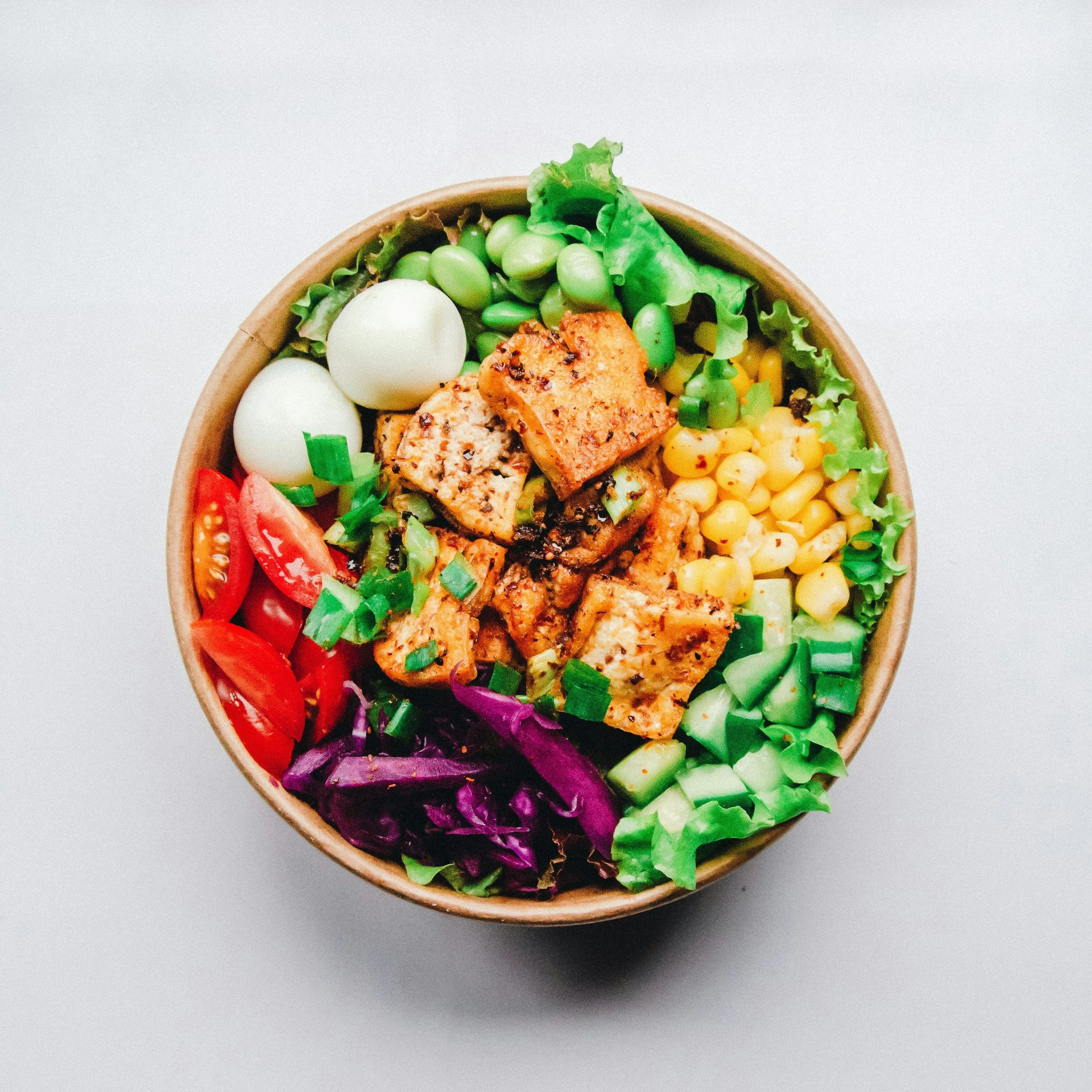
Research identifies 4 patterns of eating that impact your well-being.
People who eat a balanced diet have better mental health, cognitive function and overall well-being.
But how are we defining a balanced diet?
A healthy, balanced dietary pattern contains good amounts of fruits and vegetables, nuts, pulses, whole grains, moderate amounts of dairy, fish, and eggs, and a low intake of red meat and poultry.

The importance of fathers; 10 amazing research findings and their modern relevance
According to thought leader Warren Farrell, dads help their children develop greater impulse control, consequential memory, and an enhanced ability to respond to novel or ambiguous interactions.
A commission of government experts was so impressed by recent research on dads they used it to formulate policy initiatives.
Here’s what we know about why dads are essential…

Does wisdom protect against loneliness?
Research reveals that wisdom can significantly protect against loneliness.
Wise humans thrive on diverse viewpoints and are often sought after for their advice. Additionally, they possess the ability to filter negative emotions and make timely decisions.
But what does that have to do with loneliness?

Why parents should think twice before telling ‘little white lies’ to Kids
As a marriage and family therapist, I am often asked to discuss the latest research on parenting and the impact of parental behavior on children.
New research shows that lying to children can have unintended consequences, leading to increased dishonest behavior from the children themselves.

10 breakthrough treatments for depression most folks have never tried
As a couples therapist, I understand that depression can have a profound impact on relationships, affecting not just the individual but their partner and the dynamics between them.
Clinical depression affects around 350 million people worldwide, yet only a small fraction receive the best care.
Here, I'll outline 10 new, scientifically backed treatments for depression, emphasizing their potential benefits for folks within a relationship context.

The 4 Pillars of Intimacy in Couples Therapy
The best couples therapy dives deep into the human condition, beyond just treating symptoms.
It embraces life's uncertainties and absurdities, encouraging us to face our freedom, isolation, mortality, and quest for meaning.
This journey isn't easy; it demands honesty, courage, and a willingness to truly know oneself.
All in pursuit of reclaiming intimacy in a marriage…

Split-self affairs
In the Split-Self Affair, the marriage must work for the sake of appearances, and appearance is everything.
These unions seamlessly function because they avoid the challenging work of nurturing a loving, emotional connection.

What is the Zeigarnik effect?
The Zeigarik Effect impacted couples therapy by suggesting that attachment injuries, such as regrettable incidents, and the equally regrettable resentments which follow, are “undelivered plates” which loiter in the kitchen sink of memory.
Collect too many of these undelivered plates, and your kitchen is one inconsolable mess…

Maximizing Motivation
Whether you’re aiming to excel in your career, improve your health, or achieve personal goals, maintaining momentum can feel like an uphill battle.
But fear not, gentle reader!
Here are 20 powerful psychological strategies to help you stay motivated.
From mindset changes and practice improvement tips to goal-setting hacks and social motivation, these methods are backed by research in the psychology of motivation. Dive in and discover how to turn your dreams into reality!

Cognitive biases in relationships
During an age of profound self-absorption, cognitive biases play an enormous role in relationship dynamics, often leading to miscommunication, conflict, and resentment.
When these biases are amplified by cultural narcissism, particularly prevalent in American society, the effects can be even more pronounced.
Let’s consider a few of cognitive biases, how they manifest in relationships, and how Cultural Narcissism emerges as a force multiplier.

Not all couples thrive on compassion: Study reveals some partners prefer selfishness
While conventional wisdom has long touted compassion as the secret sauce for relationship success, this study flips the script.
The traditional narrative tells us that couples who shower each other with compassion are happier, more caring, and more committed.
They're the ones who cancel plans to be with their partner, write love notes on the bathroom mirror, and remember to pick up their partner's favorite snacks.
But hold onto your hats, folks, because this study suggests that not everyone is on board with this lovey-dovey approach.