
Welcome to my Blog
Thank you for stopping by. This space is where I share research, reflections, and practical tools drawn from my experience as a marriage and family therapist with an international practice.
I write about what happens to desire, attachment, and meaning once the early myths stop working.
Are you a couple looking for clarity? A professional curious about the science of relationships? Or simply someone interested in how love and resilience work? I'm glad you've found your way here. I can help with that. I'm accepting new clients, and this blog is for the benefit of all my gentle readers.
Each post is written with one goal in mind: to help you better understand yourself, your partner, and the hidden dynamics that shape human connection
Grab a coffee (or a notebook), explore what speaks to you, and take what's useful back into your life and relationships.
And if a post sparks a question, or makes you realize you could use more support, l'd love to hear from you. Let's explore the scope of work you'd like to do together.
Be Well, Stay Kind, and Godspeed.
~ Daniel
P.S.
Feel free to explore the categories below to find past blog posts on the topics that matter most to you. If you're curious about attachment, navigating conflict, or strengthening intimacy, these archives are a great way to dive deeper into the research and insights that l've been sharing for years.
- Attachment Issues
- Coronavirus
- Couples Therapy
- Extramarital Affairs
- Family Life and Parenting
- How to Fight Fair
- Inlaws and Extended Families
- Intercultural Relationships
- Marriage and Mental Health
- Married Life & Intimate Relationships
- Neurodiverse Couples
- Separation & Divorce
- Signs of Trouble
- Social Media and Relationships
- What Happy Couples Know


America’s Private Revenge Theater: Why Millions of Americans Have Imagined Shooting Someone
America now contains millions of people carrying around tiny private revenge films in their heads.
Not plans, necessarily.
Not manifestos.
Often just flashes.
A face.
A humiliation.
A fantasy of force arriving where helplessness used to be.
Researchers recently found that 7.3% of adults in the United States have seriously thought about shooting another person at some point in their lives.
That translates to roughly 19.4 million people. More than 8 million reported having these thoughts within the last year alone.
Violent intrusive thoughts themselves are not rare, and most people who experience them are not dangerous. The researchers explicitly note that most people never act on these fantasies.
But the scale still matters.

Sister Agnes Sasagawa and the Problem of Belief
There are certain religious stories that modern educated people react to with immediate, involuntary facial expressions.
Not thoughts.
Not arguments.
Facial expressions.
A tightening around the mouth.
A tiny retreat of the eyes.
The expression people make when someone at dinner calmly explains that crystals cured their thyroid condition or that their golden retriever understands Swedish.
The Akita story produces this expression in otherwise civilized people.
Partly because it involves Marian apparitions.
Partly because it involves a statue allegedly weeping blood.
But mostly because the central figure in the story—Sister Agnes Katsuko Sasagawa—does not behave the way modern people expect someone connected to extraordinary religious claims to behave.
She was not charismatic.
Not theatrical.
Not evangelical.
Not interested in fame.
This is psychologically inconvenient.
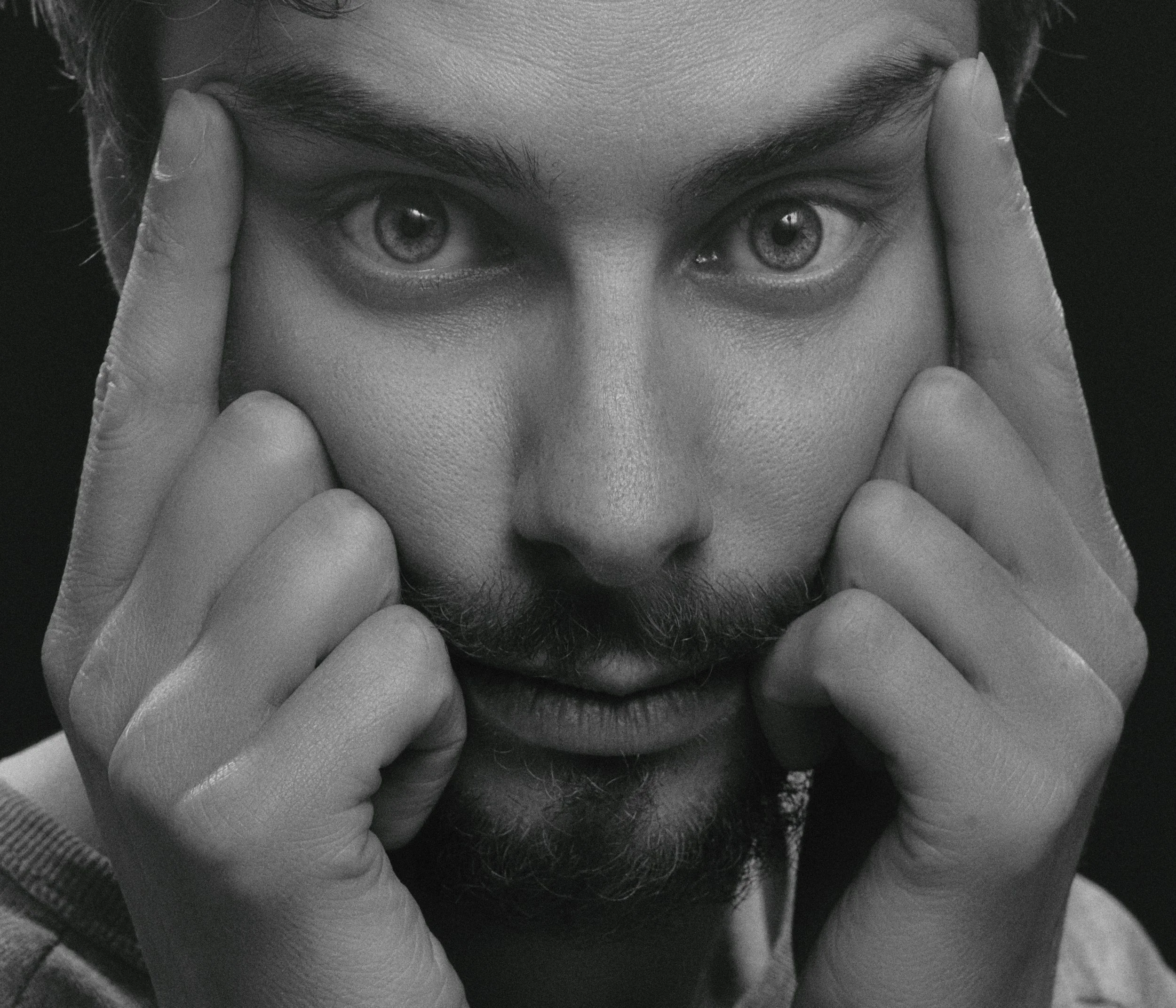
When Confidence Stops Negotiating With Reality: Bipolar Grandiosity Explained
At first, everyone thinks their loved one is finally getting better.
They are awake earlier. Talking more. Laughing again.
Cleaning the kitchen at midnight with the concentration of a Renaissance sculptor restoring the Sistine Chapel.
They suddenly have plans, visions, momentum.
They are calling old friends. Starting ambitious projects. Explaining cryptocurrency with the emotional intensity of a medieval monk describing divine revelation.
The family feels relief.
After months of depression, exhaustion, withdrawal, or hopelessness, the sudden energy can feel miraculous.
Then the spending begins.
Or the rage.
Or the affair.
Or the 3:12 a.m. manifesto about destiny.
Or the terrifying certainty.
And this is where families often realize they are no longer dealing with ordinary confidence or recovery.
They are dealing with acceleration.

Why Intelligent People Become Obsessed With True Crime Podcasts
There is something almost absurdly modern about listening to a podcast about homicide while standing in line for cold brew.
Not because violence is funny.
Because the setting is.
Human beings once gathered around fires to hear cautionary stories about betrayal, disappearance, dangerous strangers, and the hidden nature of evil.
Now we hear them through noise-canceling headphones while buying oat milk and pretending we are “mostly interested in the psychology.”
Which, to be fair, many people genuinely are.
A recent study published in Psychology of Popular Media found that most true crime podcast listeners are motivated less by gore or cruelty than by curiosity, information-seeking, and a desire to understand human behavior.

What Hurling, Gaelic Football, and Australian Footy Reveal About Marriage, Masculinity, and Belonging
Most modern people underestimate how much of emotional life is organized through ritual.
I have become increasingly convinced that relationships rarely collapse all at once. More often, they erode through the slow disappearance of shared emotional worlds.
The rituals vanish first. The recurring points of connection disappear.
Folks stop gathering around the same symbolic fire.
And oddly enough, sports often reveal this more clearly than therapy books do.
There are countries that build identity through armies.
There are countries that build identity through markets.
And then there are countries that build identity by inventing sports so unusual, so elegant, and so faintly dangerous that outsiders watch them briefly and conclude the entire population may have collectively survived some kind of glorious historical concussion.
This is roughly what happens when Americans first encounter hurling.
A man catches a ball traveling at the approximate speed of unresolved childhood shame, balances it on a wooden stick while sprinting full speed across a field, and then launches it skyward with the confidence of someone attempting to settle an argument directly with God.

What Emotionally Intelligent Couples Misunderstand About Gridlock
Some couples arrive with a peculiar kind of exhaustion. Not theatrical exhaustion. Not broken-dishes exhaustion. Educated exhaustion.
They have read the books.
They have listened to the podcasts.
They know their attachment styles, their trauma responses, their nervous system vocabulary, and the approximate location of every childhood wound still operating like an unpaid intern in the marriage.
“We understand the pattern,” they say.
And they often do.
That is the problem.
Many emotionally intelligent couples misunderstand gridlock because they confuse insight with interruption.
They assume that once a pattern has been named, the relationship should begin to change.
But couples research, attachment theory, and the study of implicit relational learning all point to something less flattering and more useful: under stress, partners often revert to rehearsed emotional sequences faster than conscious insight can stop them.
The Boston Change Process Study Group’s work on implicit relational knowing distinguished between conscious verbal understanding and implicit procedural relational knowing—the kind of “knowing” stored in patterns of action, timing, tone, expectation, and response.
Insight is not interruption.
That sentence may explain half the marriages in North America.

When Love Became a Nervous System: How Attachment Culture Changed Modern Relationships
A woman in yoga pants is whispering into her phone in the parking lot outside Target.
“I just think he’s emotionally avoidant.”
Twenty years ago she would have just said:
“He never talks.”
That is the shift.
The language of therapy escaped the therapist’s office and entered ordinary life.
Now everyone appears to possess a partial graduate education in Attachment Theory acquired through social media, heartbreak, podcasts, and twelve hours on Reddit at two in the morning.
“He’s avoidant.”
“She’s anxious.”
“That’s disorganized attachment.”
“My nervous system no longer feels safe.”
Attachment Theory is no longer functioning merely as developmental psychology.
It is now:
dating shorthand.
identity language.
moral language.
status language.
emotional explanation.
social sorting.
Couples increasingly understand love psychologically instead of morally.
Many life partners slowly become experts in each other’s attachment injuries, while losing the ability to make each other feel loved.
That is one of the quiet tragedies of modern intimacy.

The Three Hares Motif: Why Three Rabbits Running in a Circle Still Haunt Human Imagination
There are symbols that belong to history, and then there are symbols that seem to move underneath history like underground rivers.
The three hares motif belongs to the second category.
Three hares chase one another in a circle.
Each shares an ear with the next so that there are only three ears total, though each animal appears to possess two.
The image is mathematically elegant and psychologically strange.
It looks less designed than discovered, as though someone stumbled upon it while half-dreaming beside a fire eight hundred years ago and immediately understood it mattered.
Then it began appearing everywhere.
In Buddhist cave temples in China.
In Islamic decorative art.
In medieval churches in England.
In synagogues.
In manuscripts.
In carved ceilings and hidden architectural corners across civilizations that supposedly should not have been speaking to one another with quite this degree of symbolic intimacy.
Nobody entirely agrees on what it means.
That is precisely why it survived.

Does Romantic Rejection Hurt More Than Friendship Rejection? A New Study Says Maybe Not
Romantic rejection has a branding department.
Friendship rejection does not.
Romantic heartbreak receives orchestral soundtracks, Oscar nominations, monologues delivered in the rain, and approximately 84% of the music industry.
Friendship rejection, meanwhile, is treated like an unfortunate scheduling conflict.
Society reacts to the end of a friendship with the emotional urgency usually reserved for learning someone switched toothpaste brands.
This is strange, because a new study published in the European Journal of Social Psychology suggests the nervous system may not distinguish nearly as dramatically between romantic and platonic rejection as modern culture does.
The study, led by Natasha R. Wood of Leiden University, found that while people predictedromantic rejection would hurt more, actual emotional responses to rejection were remarkably similar whether the rejection came from a potential romantic partner, a prospective friend, or even a stranger.
Which is psychologically fascinating and culturally inconvenient.
Because modern adulthood has quietly transformed romantic desirability into a kind of emotional credit score.
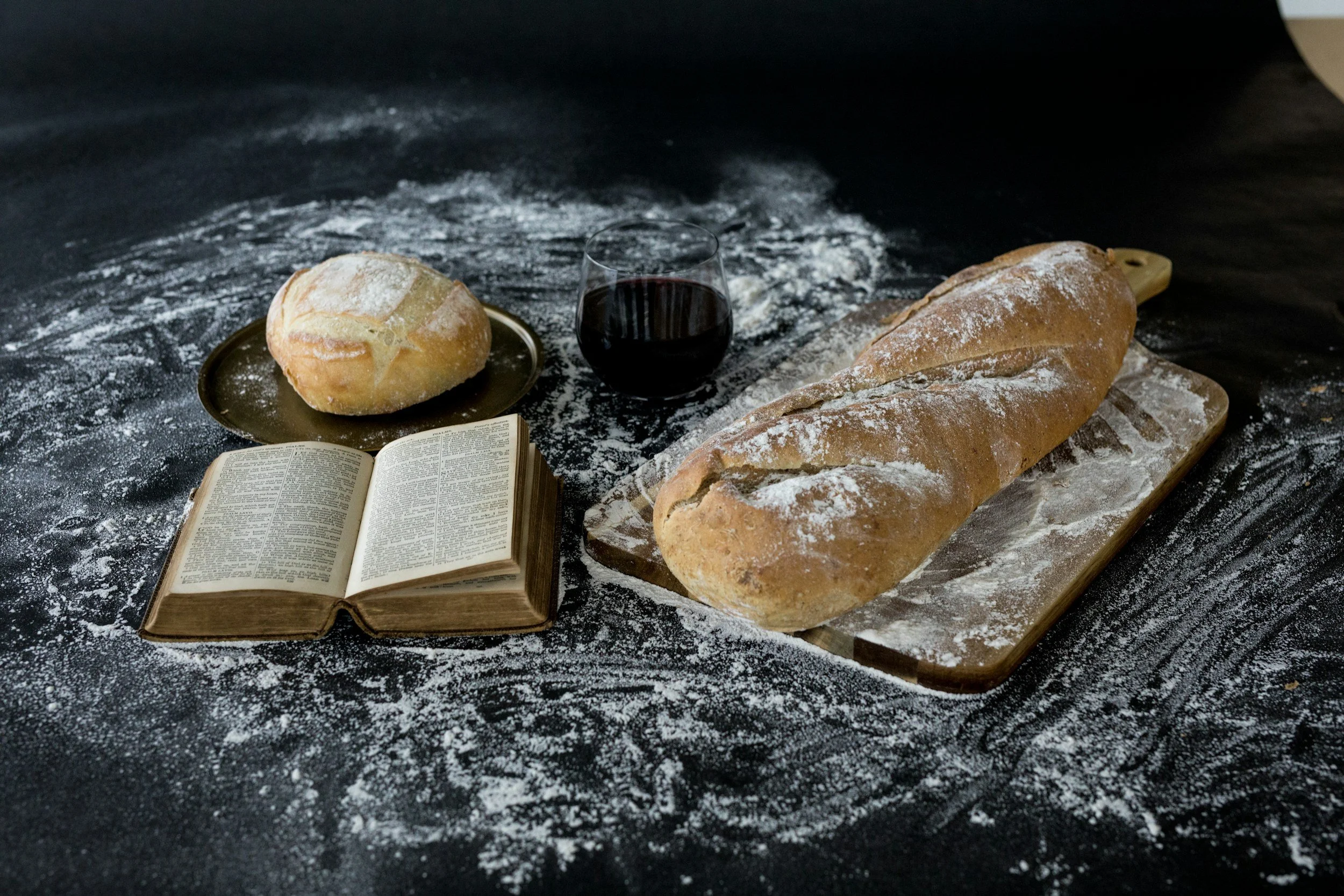
Why Wellness Culture Is Becoming A Replacement Religion
Modern Americans increasingly use food the way earlier civilizations used liturgy.
Not entirely consciously, of course.
Nobody stands in Whole Foods holding artisanal bone broth whispering, “At last, a coherent metaphysical framework.” People still think they are discussing inflammation.
But underneath the endless conversations about seed oils, raw milk, gut health, fasting windows, sourdough fermentation, protein optimization, ancestral diets, carnivore protocols, liver capsules, glucose spikes, adaptogens, “toxins,” and biblical eating plans, something much larger is unfolding.
Folks are just trying to reconstruct meaning.
A recent piece in The New York Times explored the rise of “biblical eating,” an online movement centered around consuming foods mentioned in scripture — fish, minimally processed foods, raw dairy, homemade breads, locally sourced ingredients, fasting practices, and forms of dietary simplicity presented as spiritually aligned living.
At first glance, it looks like just another wellness trend.
It is not.
It is a significant cultural signal.

When Narcissists Think God Owes Them Special Favors
There are those who approach religion with humility, uncertainty, gratitude, and the uncomfortable awareness that they are not the center of existence.
And then there are some folks who approach religion like they are negotiating upgraded seating with the universe.
The distinction matters.
Because one of the more interesting findings emerging from personality psychology is that narcissism does not necessarily make people less religious.
In some cases, it may simply reorganize religion around the needs of the self.
A recent study published in Personality and Individual Differences found that narcissistic traits were associated less with deeply internalized faith, and more with forms of religious engagement driven by emotional regulation, status, entitlement, and external rewards.
That finding clarifies something many people have observed privately for years.
Some people use religion to become less self-centered.
Others use it to become spiritually decorated versions of exactly who they already are.
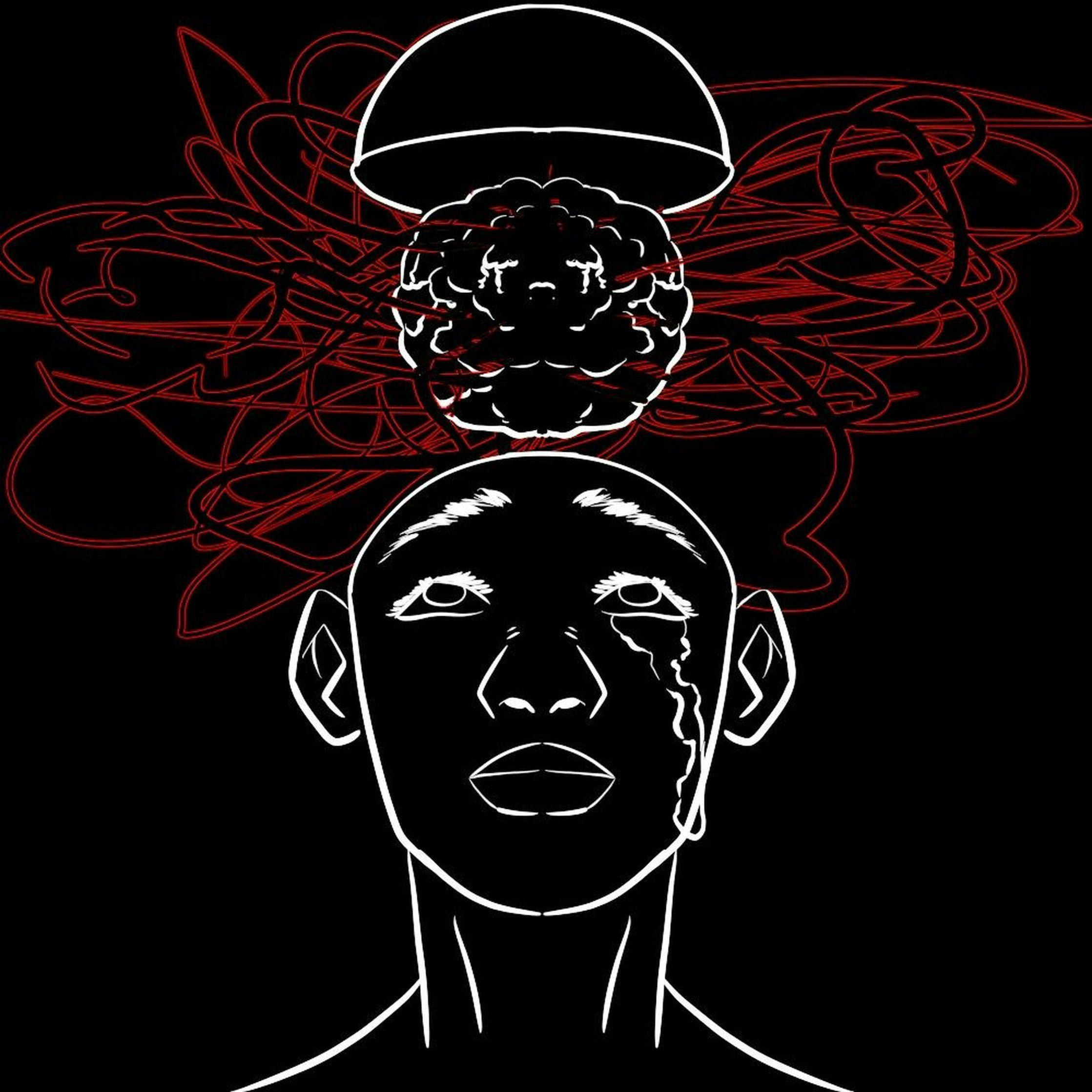
Why Thinking Hard Feels Bad: Doubt, Relationships, and the Emotional Cost of Becoming More Honest
Human beings often mistake the emotional pain of reconsidering themselves for evidence that reconsideration is dangerous.
Some forms of suffering are not signs of damage.
They are signs that the mind is trying to reorganize itself.
This is an uncomfortable idea to introduce into modern culture because modern culture increasingly treats discomfort itself as suspicious.
If something feels destabilizing, effortful, confusing, emotionally abrasive, or identity-threatening, many people assume something has gone wrong.
Relief is pursued almost automatically. We scroll. We diagnose. We explain ourselves prematurely. We convert uncertainty into slogans before uncertainty has had time to deepen into thought.
But recent research published in Thinking & Reasoning suggests something therapists, teachers, philosophers, and honest spouses have quietly known for a very long time: the emotional discomfort of doubt may actually help trigger deeper thinking.
And that matters enormously for relationships, therapy, self-deception, internet culture, and the strange forms of suffering that reorganize us rather than merely injure us.