

Welcome to my Blog
Thank you for stopping by. This space is where I share research, reflections, and practical tools drawn from my experience as a marriage and family therapist.
Are you a couple looking for clarity? A professional curious about the science of relationships? Or simply someone interested in how love and resilience work? I’m glad you’ve found your way here. I can help with that.
Each post is written with one goal in mind: to help you better understand yourself, your partner, and the hidden dynamics that shape human connection.
Grab a coffee (or a notebook), explore what speaks to you, and take what’s useful back into your life and relationships. And if a post sparks a question, or makes you realize you could use more support, I’d love to hear from you.
Be Well, Stay Kind, and Godspeed.
~Daniel
P.S.
Feel free to explore the categories below to find past blog posts on the topics that matter most to you. If you’re curious about attachment, navigating conflict, or strengthening intimacy, these archives are a great way to dive deeper into the research and insights that I’ve been sharing for years.
- Attachment Issues
- Coronavirus
- Couples Therapy
- Extramarital Affairs
- Family Life and Parenting
- How to Fight Fair
- Inlaws and Extended Families
- Intercultural Relationships
- Marriage and Mental Health
- Married Life & Intimate Relationships
- Neurodiverse Couples
- Separation & Divorce
- Signs of Trouble
- Social Media and Relationships
- What Happy Couples Know
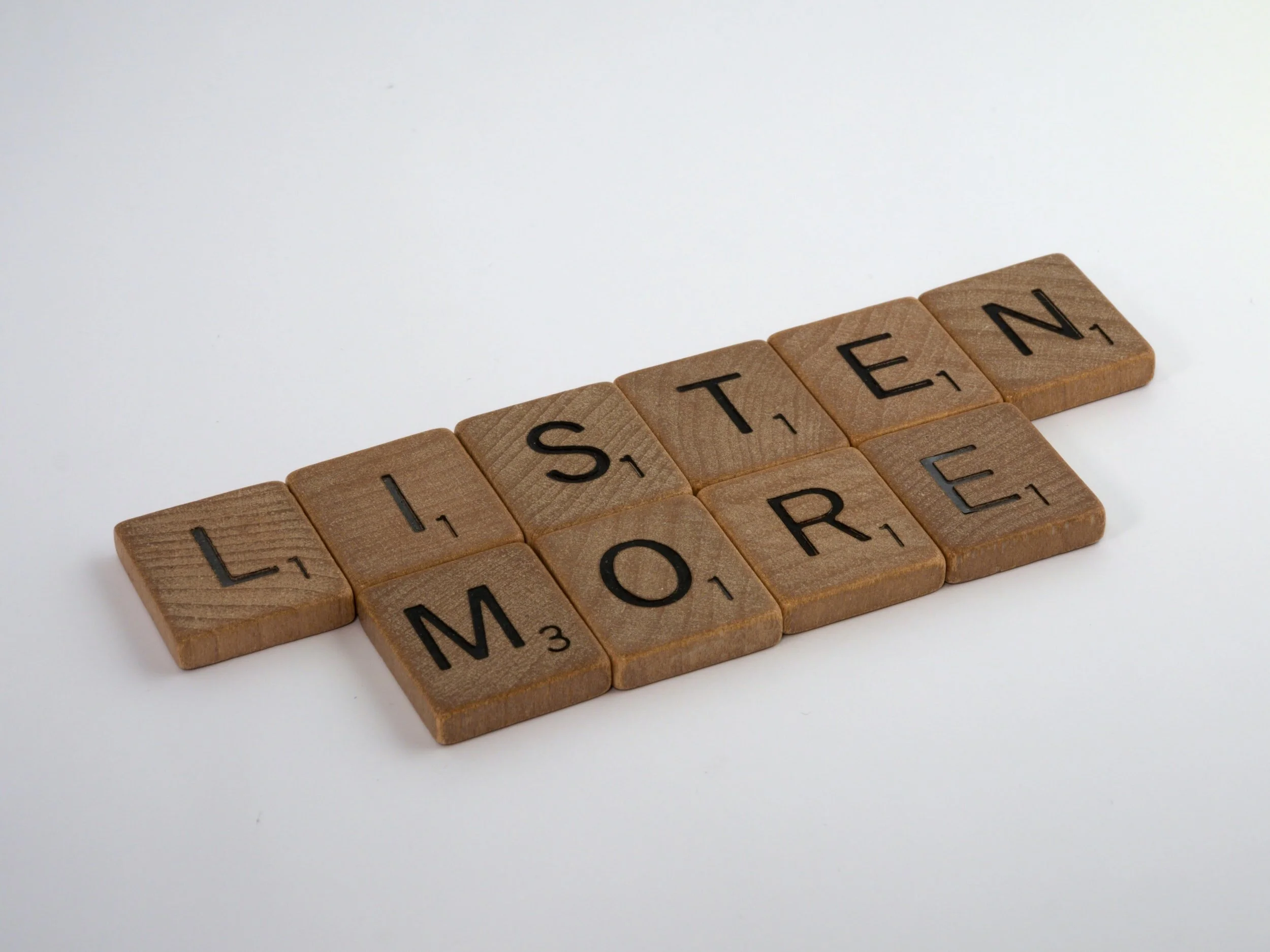
How to be a better listener in marriage
Good couples therapy involves installing positive habits. This post on how to be a better listener is a good reminder.

What is Resilience?
We all need a certain baseline resilience just to deal with the setbacks and losses that are an inevitable part of ordinary life.
Resilience is the ability to manage uncertainty, resist and overcome fear while transcending obstacles that may appear to be preventing you from succeeding.
Fortunately, we know a lot about resilience; what it is, and how it works.

What’s wrong with being vulnerable?
Social science has cracked the code of intimacy.
It can be accelerated. It is unfortunate that we know how to do this.
Because with this knowledge, technology, capital, and social science will continue to build a myriad of platforms to monetize opportunities for being vulnerable and receiving validation (and titillation) from perfect strangers…

Why researchers are studying depression and relationships…
Depression stands out head and shoulders over all other mental health problems.
When someone reaches out to a therapist for help, odds are in most cases they are either looking for help with their marriage, or help with their depression (Heene, Buysse, & Van Oost, 2005). Here’s what you need to know…

The 2 (somewhat contradictory) best methods for dealing with Social Anxiety…
This study shows that relaxation and exercise caused people to view their environments differently.
After either relaxing or exercising, humans are less likely to interpret neutral social signals as threatening — something that people with social anxiety tend to do.
This might have huge implications for neurodiverse couples…

20 couples therapy interventions based on Autobiographical Memory Activation…
In couples therapy, exploring autobiographical memories can offer valuable insights into a relationship's dynamics, helping partners understand each other's perspectives and navigate challenges more effectively.
Here are 20 interventions you can try at home…

Is Attachment Theory a Useful Lie?
Heidi Keller's critique of Attachment Theory, as detailed in her 2022 book "The Myth of Attachment Theory," offers a scientifically sound contrarian analysis that delves deep into the cultural and contextual factors influencing attachment patterns.
In this post, I will explore a few concepts from Keller's book and their implications for the practice of couples therapy…

When You're Worried About Someone: Understanding and Navigating Relationship Concerns…
Worrying about a partner is a natural part of a caring relationship.
Whether it's concern about their health, behavior, emotions, or trust, these worries can significantly impact the dynamics of a relationship.
Understanding the nature of these worries, their underlying causes, and effective coping strategies can help navigate these challenging moments with empathy and resilience.

Adult Children of Divorce: Understanding Their Silent Suffering…
Adult Children of Divorce suffer too.
There is a robust cultural belief that adult children, once successfully launched, should be indifferent, or at the very worst, non·plussed by their parent’s divorce.
I encounter this belief in couples therapy regularly.
Emerging research explains that nothing could be further from the truth.

What is the Miracle Question?
The Miracle Question is a deceptively simple yet powerful technique used in SFT.
It typically goes something like this:
"Suppose tonight, while you are asleep, a miracle happens. When you wake up tomorrow, what will be the first small sign that will make you think the miracle has occurred? What else will you notice?"
This question encourages clients to imagine a future where their problems have been miraculously solved and to identify the small steps they would take toward that goal.

Could your spiritual side hold the key to a healthier heart?
Could Your Spiritual Side Hold the Key to a Healthier Heart?
A recent study suggests that nurturing your spiritual side might lead to improved cardiovascular health, including lower blood pressure.
The study, which focused on using smartphone messages to encourage spiritual reflection, found an average decrease of 7 mmHg in systolic blood pressure among participants.
These results could have widespread benefits, particularly considering that around half of Americans have high blood pressure, with 75% of them not having it adequately controlled.

Can intellectually stimulating conversations enhance your intimacy?
When it comes to intimacy, can intellect be a turn-on?
Let's explore this intriguing topic with insights from leading minds in couples therapy.
Imagine a couple deeply engrossed in a lively debate about the latest scientific discovery or lost in a shared passion for Charles Bukowski…
There's a spark in their eyes, an energy that goes beyond conversation. This is the allure of intellectual stimulation in a relationship…