
Welcome to my Blog
Thank you for stopping by. This space is where I share research, reflections, and practical tools drawn from my experience as a marriage and family therapist with an international practice.
I write about what happens to desire, attachment, and meaning once the early myths stop working.
Are you a couple looking for clarity? A professional curious about the science of relationships? Or simply someone interested in how love and resilience work? I'm glad you've found your way here. I can help with that. I'm accepting new clients, and this blog is for the benefit of all my gentle readers.
Each post is written with one goal in mind: to help you better understand yourself, your partner, and the hidden dynamics that shape human connection
Grab a coffee (or a notebook), explore what speaks to you, and take what's useful back into your life and relationships.
And if a post sparks a question, or makes you realize you could use more support, l'd love to hear from you. Let's explore the scope of work you'd like to do together.
Be Well, Stay Kind, and Godspeed.
~ Daniel
P.S.
Feel free to explore the categories below to find past blog posts on the topics that matter most to you. If you're curious about attachment, navigating conflict, or strengthening intimacy, these archives are a great way to dive deeper into the research and insights that l've been sharing for years.
- Attachment Issues
- Coronavirus
- Couples Therapy
- Extramarital Affairs
- Family Life and Parenting
- How to Fight Fair
- Inlaws and Extended Families
- Intercultural Relationships
- Marriage and Mental Health
- Married Life & Intimate Relationships
- Neurodiverse Couples
- Separation & Divorce
- Signs of Trouble
- Social Media and Relationships
- What Happy Couples Know

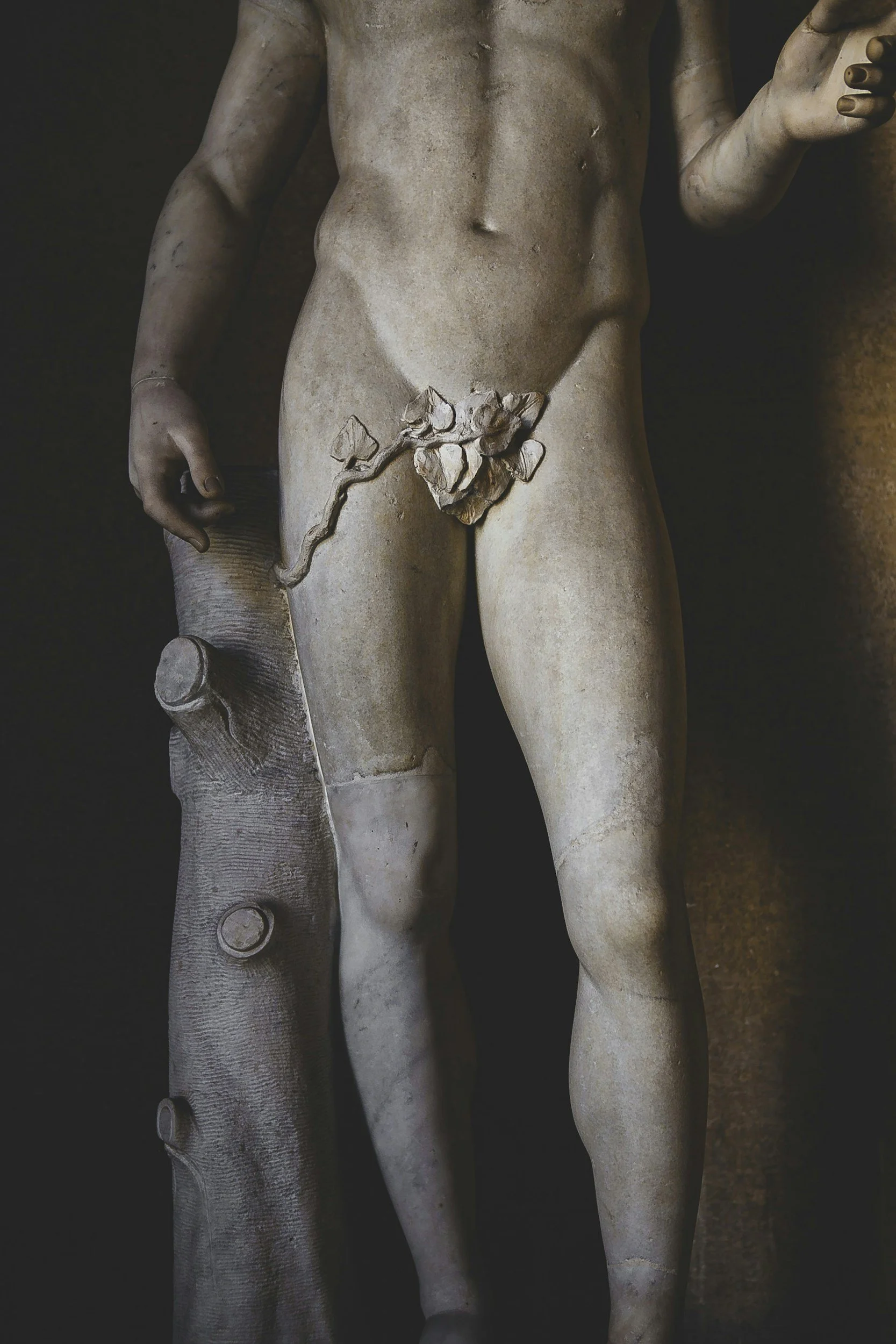
The Human Penis as Signal: Why Size Still Shapes Attraction and Threat
The Human penis is an evolutionary outlier. Of Course it is.
Biologists have been quietly bothered by the human penis for a long time.
Not morally. Not personally. Evolutionarily.
Relative to body size, it is conspicuously large compared to that of other great apes—thicker, longer, and more visually emphatic.
It is also unusually fragile.
Humans lack a baculum, the penis bone found in many mammals, meaning erections depend entirely on blood flow rather than skeletal support.
This combination—size without structural reinforcement—has never sat comfortably inside tidy evolutionary explanations.
Something this metabolically expensive does not usually exist without doing more than one job.
The emerging answer appears to be simple and unsettling: the human penis evolved not only for reproduction, but for being read.
After Insight
By the time you reach this page, insight is not your problem.
You already understand yourself reasonably well.
You can describe your patterns, name your injuries, and explain—often accurately—why you respond the way you do.
You may even understand your partner better than they understand themselves.
This is not nothing.
It matters.
It just isn’t enough anymore.
This is what remains after insight has done all the work it can do.

This Is Not a Self-Help Blog
Most of my gentle readers arrive here looking for answers.
That makes sense. When a relationship feels strained, confusing, or quietly heavy, answers can feel like oxygen.
But answers presume the problem has already been correctly named.
In modern relationships, it usually hasn’t.
What most couples and families believe they are struggling with—communication, intimacy, conflict, desire, trust, parenting differences—is often downstream of something quieter and more durable:
how attention is managed inside a shared system, over time that does not replenish.

Why Most Relationship Advice Fails at the Moment It Matters
Nothing is wrong—until suddenly everything is.
Many couples do not arrive in crisis because they ignored advice. They arrive because they followed it.
They communicated.
They tried harder.
They used the language.
They read the books.
They scheduled the check-ins.
And still, at the exact moment where repair should begin, something collapses.
This explains why.

Below the Waterline: Why Couples Don’t Change When You Push Them
Therapy is not persuasion.
Not because persuasion is unethical.
But because it operates at the wrong depth.
Most couples don’t resist change because they don’t understand.
They resist because their nervous systems are under pressure.
And pressured systems do not reorganize.
They brace.
This is the error modern couples therapy keeps repeating: treating change as a surface event, when the forces that govern it live below the waterline.

Therapy Is Not Persuasion: Why Change Fails When It’s Forced
One of the quiet distortions in modern therapy culture is the belief that change comes from encouragement.
That if we explain carefully enough, validate deeply enough, or contextualize compassionately enough, people will eventually move toward what is healthy.
Sometimes they do.
Often, they don’t.
Because insight does not create motion.
Pressure does.
And pressure does not mean coercion—it means reality becoming unavoidable.
Therapy is not meant to convince people to change.
It is meant to clarify whether change is necessary—and whether it is wanted.

Prudentia: The Virtue That Chooses Without Fantasy
If clementia governed power, prudentia governed choice.
Prudentia was not intelligence.
It was not insight.
It was not moral clarity.
Prudentia was the capacity to decide well under imperfect conditions—and to live with what that decision cost.
Rome did not imagine a world of optimal options. It assumed constraint, tradeoffs, timing errors, and irreversibility.
Prudentia was the virtue that operated inside that realism.
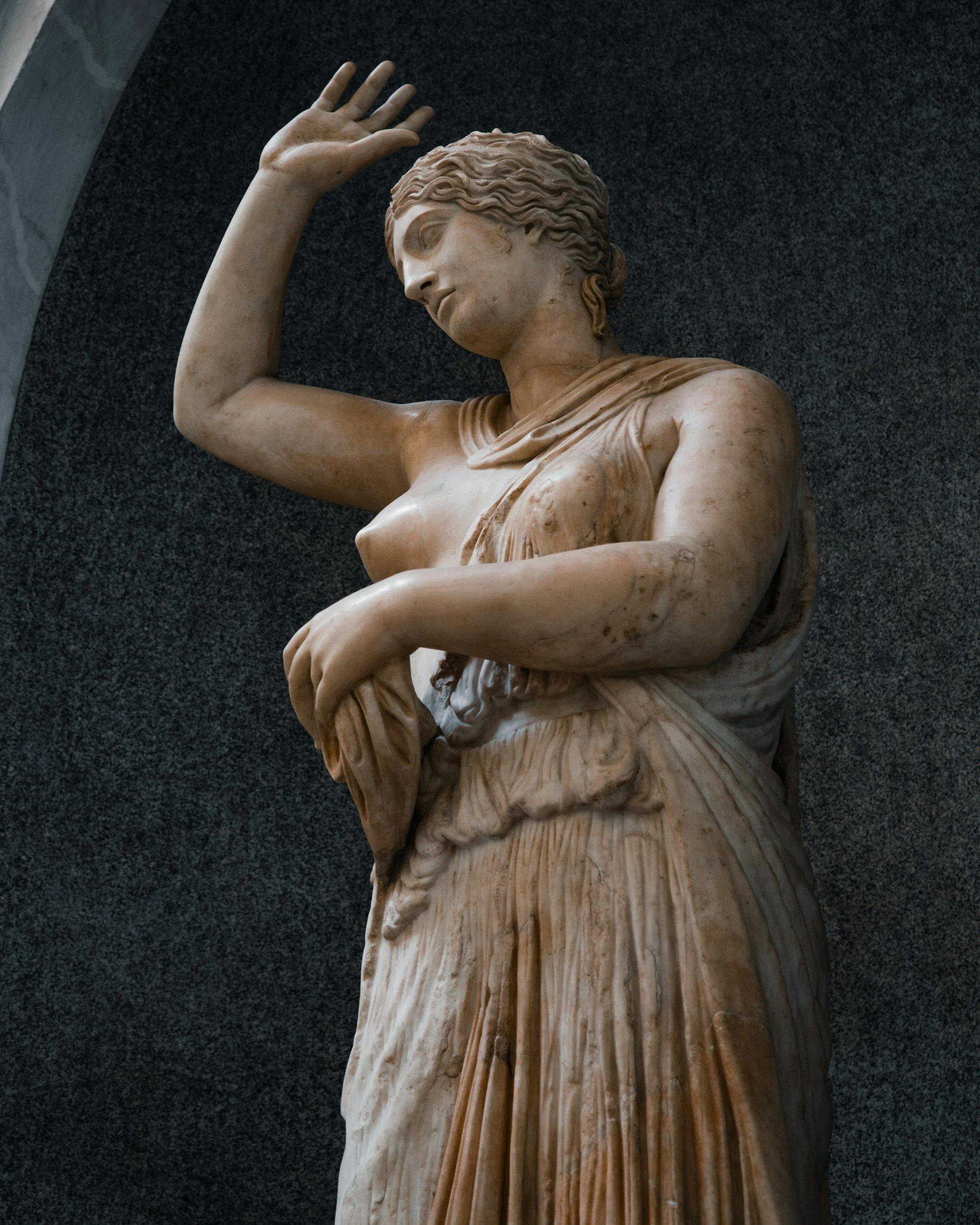
Clementia: Why the Most Powerful People Once Trained Themselves to Restrain Power
Rome understood something modern culture does not like to admit:
Power is most dangerous when it believes itself justified.
Clementia was not kindness.
It was not forgiveness.
It was not emotional generosity.
Clementia was restraint—by those who could destroy and chose not to.
That distinction mattered.
In Roman political life, mercy was meaningful only when it was voluntary. Mercy extracted by pressure was not virtue; it was capitulation.
Clementia required asymmetry: one party held decisive advantage and declined to exercise it fully.
The refusal was the point.
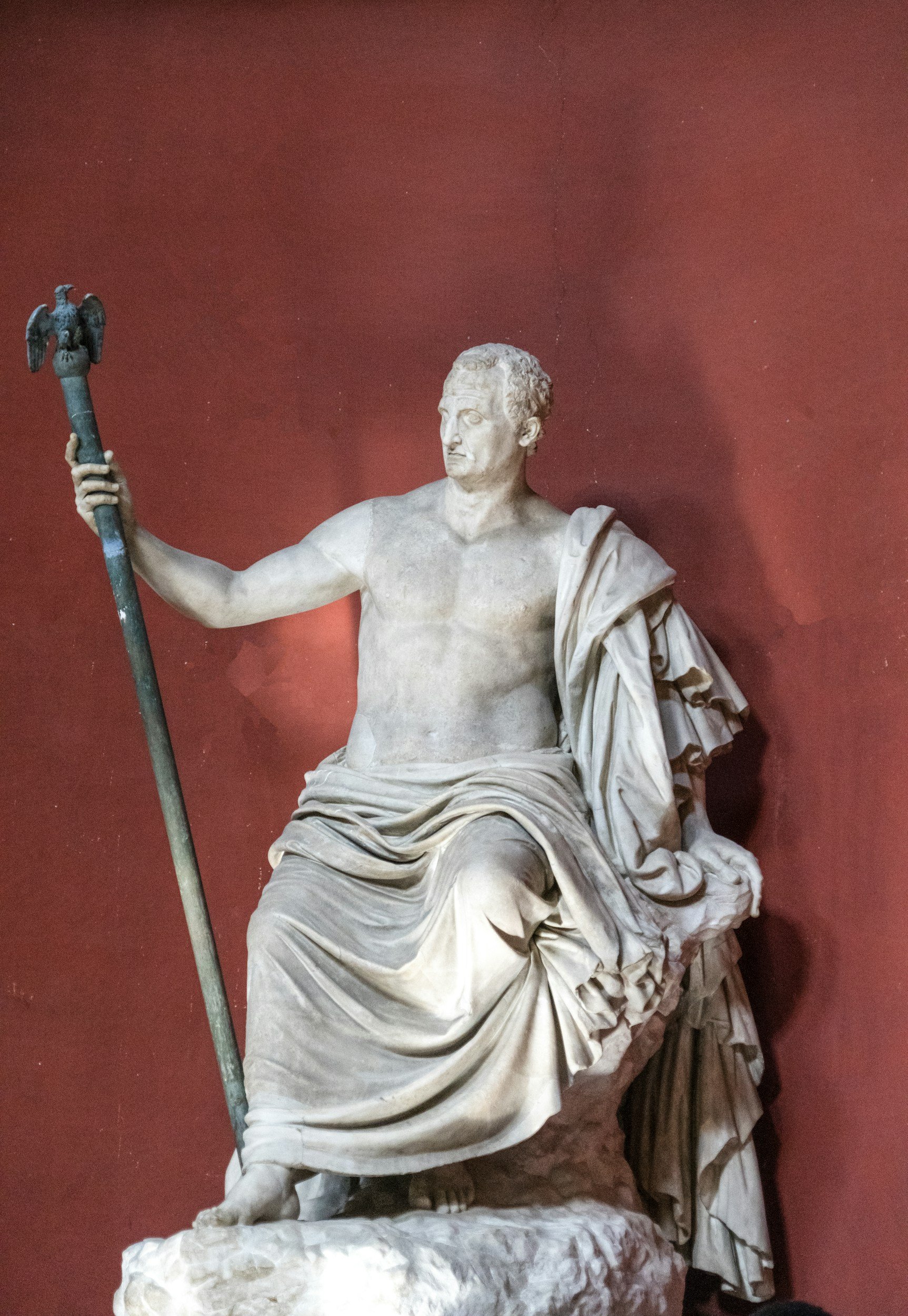
Auctoritas: The Roman Virtue That Ends Deliberation
Auctoritas is not power.
It is not control.
It is not charisma with a microphone.
Auctoritas exists to end deliberation.
The Romans were precise about this. They distinguished imperium—the power to command—from auctoritas—the condition under which command becomes unnecessary.
Modern culture erased that distinction.
Rome never did.
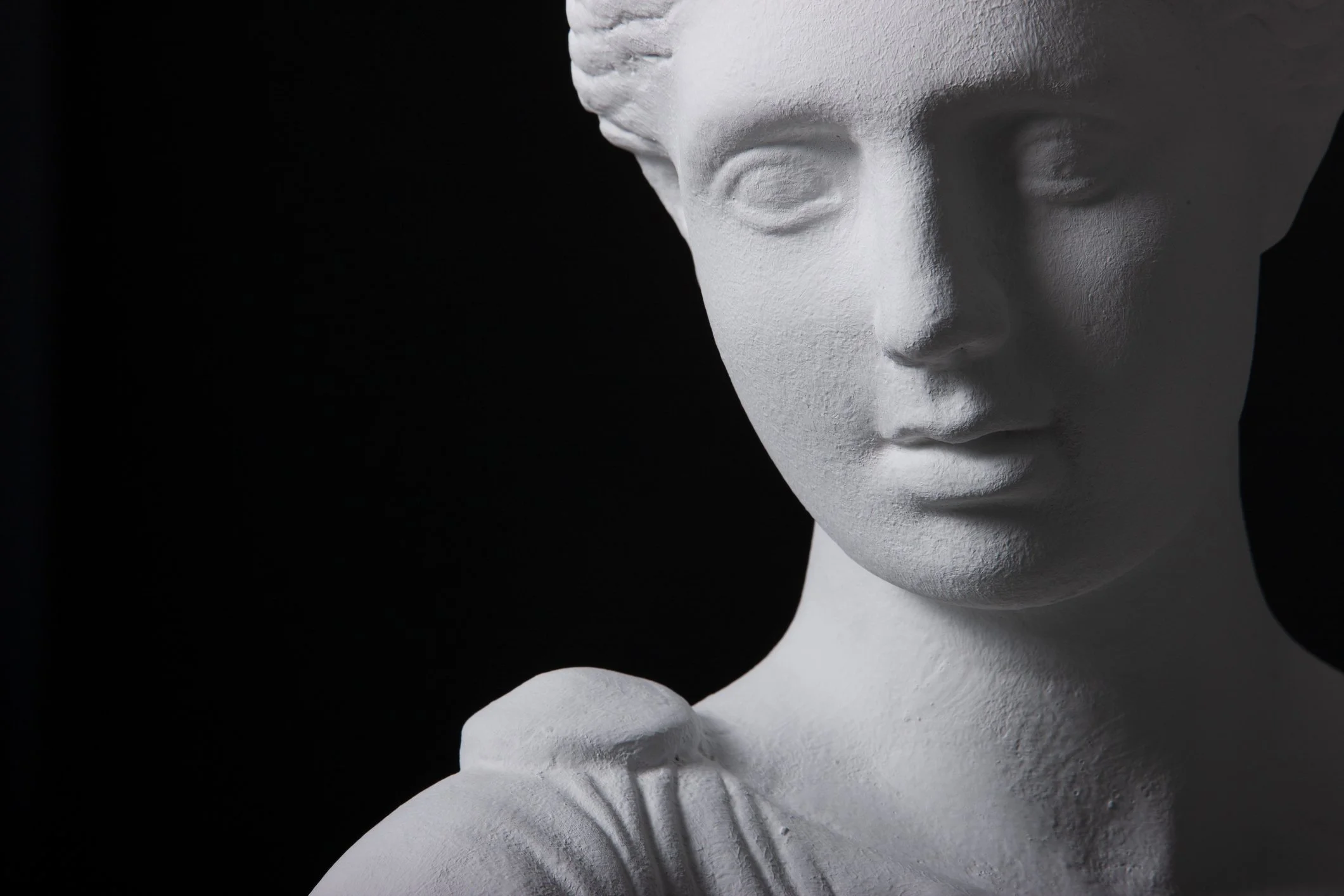
Comitas: The Roman Virtue That Makes Annoying People Bearable
Comitas is not friendliness.
It is not warmth.
It is not charm deployed for approval.
Comitas is social ease without intimacy.
The Romans named it because they understood something modern culture has forgotten:
some adult life happens among people you do not love, do not choose, and do not fully trust—and yet must cooperate with anyway.
Comitas was the virtue that made that possible without cruelty or collapse.
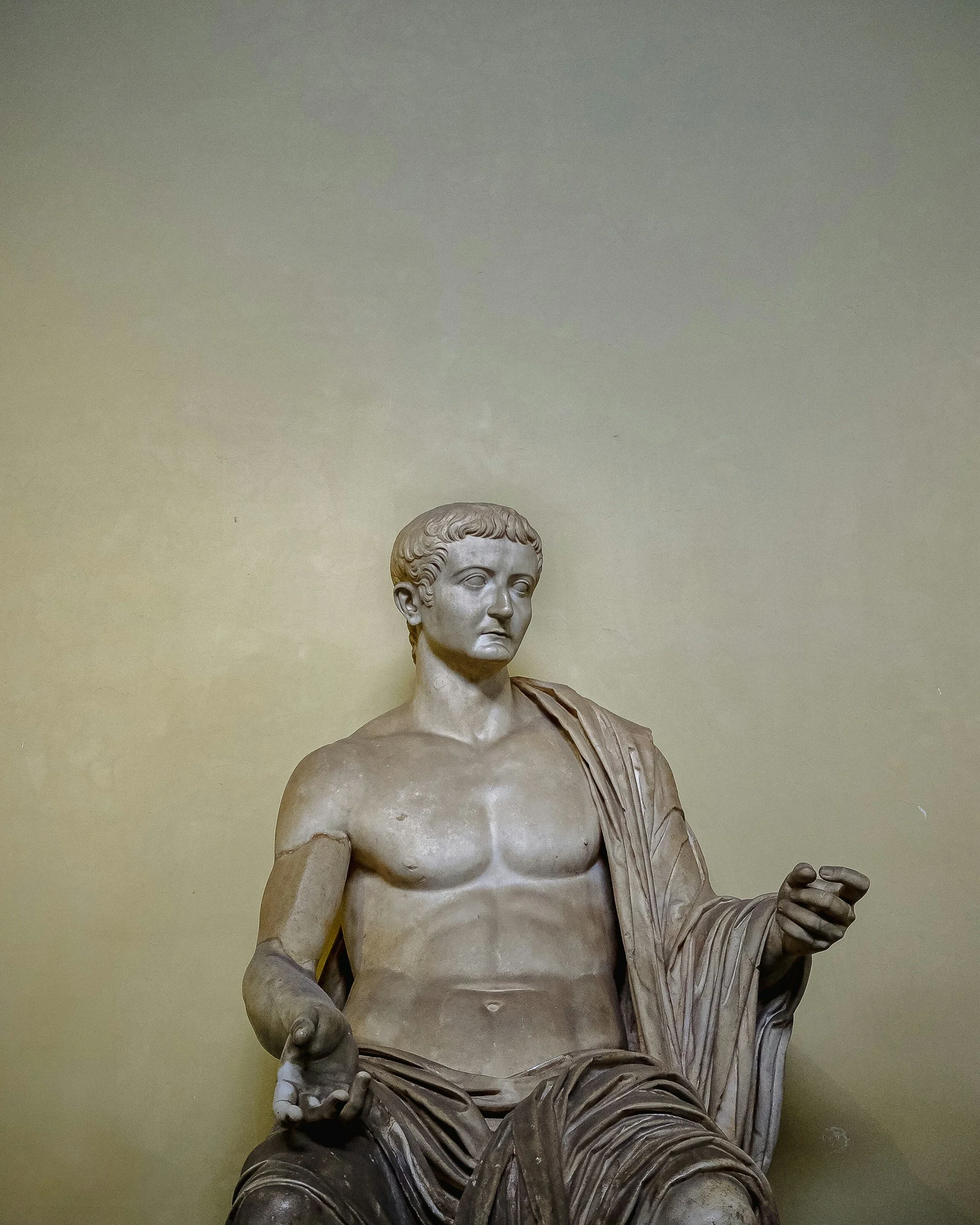
Dignitas: The Roman Virtue of Worth You Do Not Have to Broadcast
Dignitas is not self-esteem.
It is not confidence.
It is not an internal sense of worth.
Dignitas is the condition under which a person can be trusted without supervision.
The Romans used the word to describe a form of adult standing modern culture has quietly dismantled: worth accrued through visible conduct over time, such that explanation, assertion, and monitoring became unnecessary.
You did not feel dignified.
You became dignified—by behaving in ways that reduced the need to watch you.
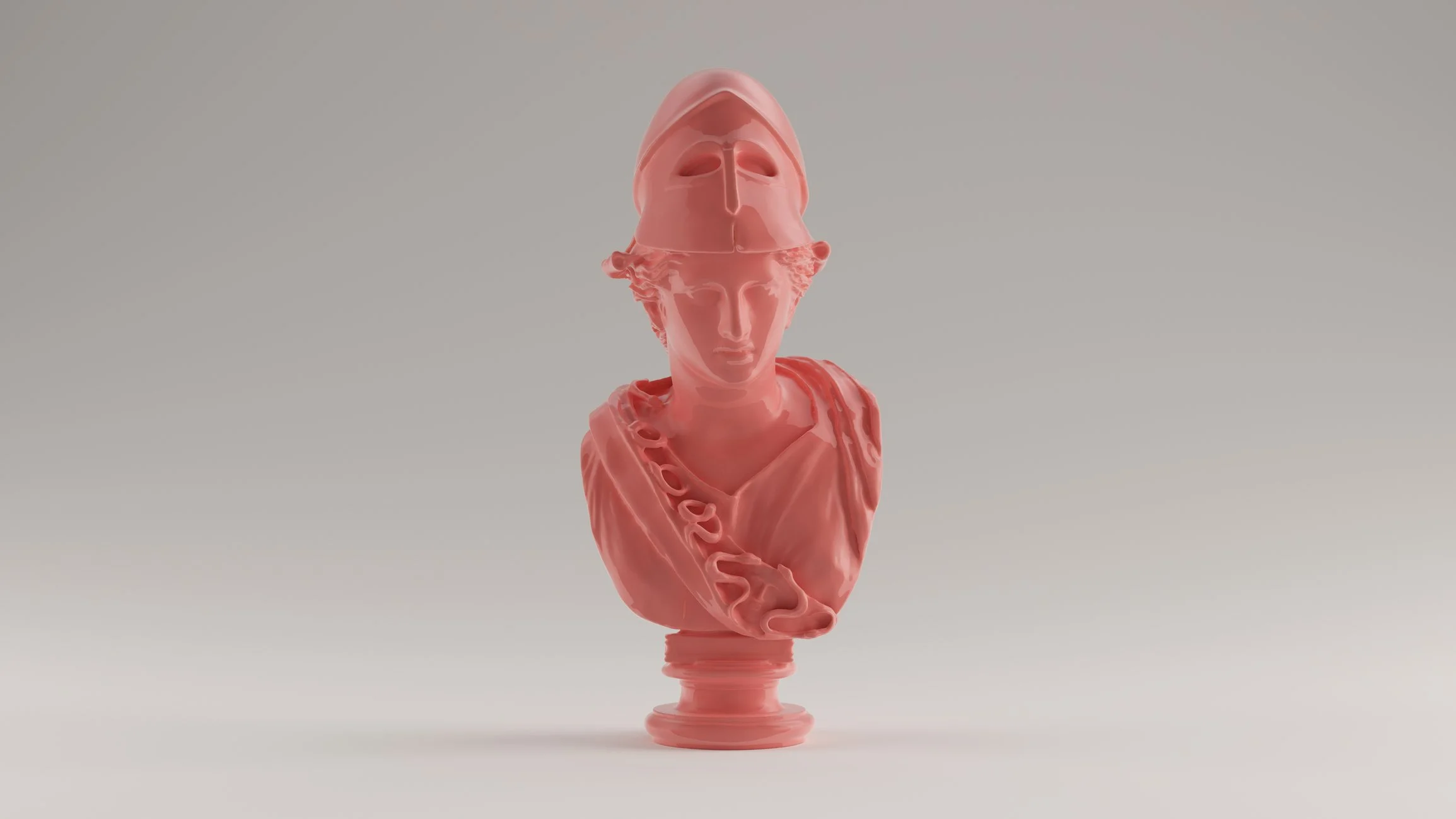
Patientia: The Roman Virtue of Enduring Without Resentment
Patientia is not passivity.
It is not self-abandonment.
It is not “being the bigger person.”
Patientia is the capacity to absorb time without converting strain into resentment.
The Romans named patientia because they understood something modern culture resists:
time itself is a load.
And not everyone can carry it without poisoning what they are inside.
Patientia was the virtue that allowed systems—families, marriages, institutions—to survive periods when nothing could be fixed and nothing could be rushed.