

Welcome to my Blog
Thank you for stopping by. This space is where I share research, reflections, and practical tools drawn from my experience as a marriage and family therapist.
Are you a couple looking for clarity? A professional curious about the science of relationships? Or simply someone interested in how love and resilience work? I’m glad you’ve found your way here. I can help with that.
Each post is written with one goal in mind: to help you better understand yourself, your partner, and the hidden dynamics that shape human connection.
Grab a coffee (or a notebook), explore what speaks to you, and take what’s useful back into your life and relationships. And if a post sparks a question, or makes you realize you could use more support, I’d love to hear from you.
Be Well, Stay Kind, and Godspeed.
~Daniel
P.S.
Feel free to explore the categories below to find past blog posts on the topics that matter most to you. If you’re curious about attachment, navigating conflict, or strengthening intimacy, these archives are a great way to dive deeper into the research and insights that I’ve been sharing for years.
- Attachment Issues
- Coronavirus
- Couples Therapy
- Extramarital Affairs
- Family Life and Parenting
- How to Fight Fair
- Inlaws and Extended Families
- Intercultural Relationships
- Marriage and Mental Health
- Married Life & Intimate Relationships
- Neurodiverse Couples
- Separation & Divorce
- Signs of Trouble
- Social Media and Relationships
- What Happy Couples Know

Is the Family the First Empire to Fall?
Historians are once again warning us about collapse. They tend to do this whenever the world begins to look a bit exhausted—which, lately, is most of the time.
Luke Kemp’s Goliath’s Curse, helpfully dissected in The Atlantic, explains why civilizations eventually fall apart.
It’s never sudden. It’s almost never dramatic.
It’s the slow accumulation of unfairness and silence until ordinary people lose the will to keep the whole thing running.
Anyone who has ever grown up in a family will recognize the pattern instantly.
Families collapse for the same reasons empires do:
too much burden on too few,
too much pretending,
and too little honest conversation.
Historians examine ruins.
Family therapists examine holidays.
Either way, the truth lies underneath the rubble.

The Sensory Marriage: Why ND Couples Need a Different Kind of Love Map
Every marriage is a sensory marriage, though very few partners have language for that reality.
Couples come into therapy reporting “communication issues,” as if clearer sentences alone could soothe a nervous system that’s been running a silent emergency operations center for two decades.
Beneath the arguments, under the finely memorized rituals of blame and rebuttal, something earlier and quieter is always in the room.
Two bodies.
Two sensory systems.
Trying to share one life.
If couples understood even a little of how much the nervous system governs their relationship, half their recurring misery would dissolve into recognition.
And this is doubly true for neurodivergent couples.

Why Reddit Reveals Your Attachment Style More Than You Think
There is a woman awake at 2:11 a.m., sitting on the edge of her bed, scrolling through r/relationship_advice.
Her partner hasn’t texted back.
Her body feels electric with dread.
She turns to strangers—strangers she will never meet—because she cannot bear the weight of her own fear in silence.
This is not weakness.
This is honesty.
Every night, millions of people open Reddit not because they enjoy chaos but because they need a place where their emotional truth is allowed to exist.
That alone makes Reddit one of the most remarkable emotional archives of our time.

How Success, Stress, and Ambition Reshape a Relationship From the Inside Out
High-achieving couples are often startled when they discover that marriage, of all things, is difficult. These are people accustomed to competence.
They have spent their adult lives managing crises, budgets, deadlines, and the various emotional needs of colleagues who never quite mastered adulthood.
They assumed marriage would be the one place where their skill sets would finally pay off.
Unfortunately, the data says otherwise.
Studies of dual-career families have shown for decades that ambitious couples are more vulnerable to conflict not because they love each other less, but because their lives generate more structural strain than the average household (Conger, Conger, & Martin, 2010).
In other words: it’s not you, it’s the architecture of success at the highest level
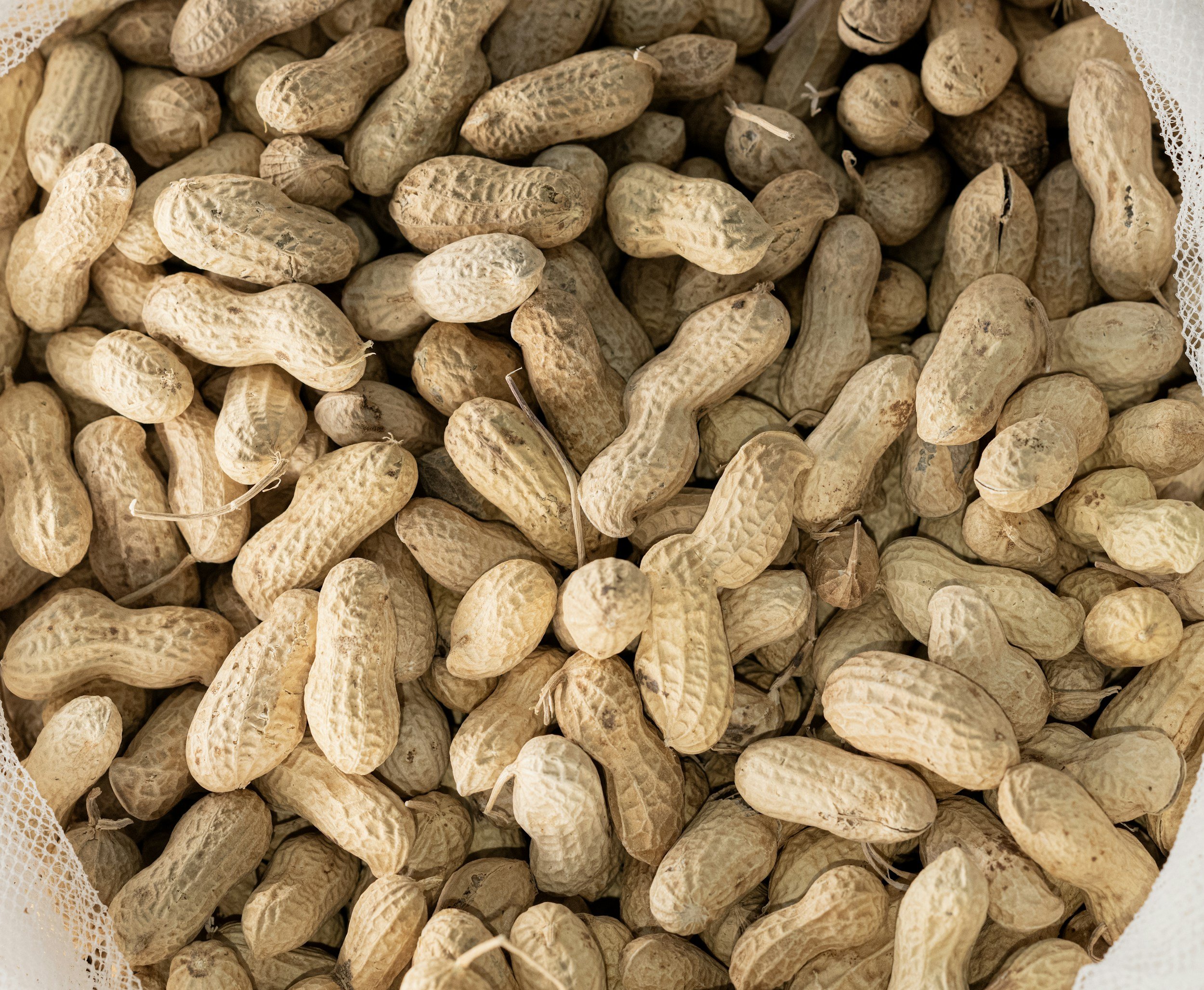
The Peanut Study: Why an Unsexy Snack Just Improved Brain Blood Flow and Memory in Older Adults
There is no graceful way to say this, so I’ll just rip the Band-Aid off:
the newest evidence-based intervention for aging brains is peanuts.
Not supplements with Greek letters.
Not longevity powders that cost as much as a dinner in Tribeca.
Not even blueberries, the Beyoncé of the produce aisle.
No—the scientific spotlight now shines on unsalted, skin-on roasted peanuts, a snack so pedestrian it could run for local office.
According to a surprisingly rigorous 16-week trial in Clinical Nutrition, these humble legumes—yes, legumes, the great pretenders of the nut world—improve brain blood flow and verbal memory in older adults.
I
f you feel personally insulted by this information, that is the appropriate reaction.

Why Smart Women Overfunction (And How Their Nervous Systems Finally Rebel)
Smart women rarely burn out for the reasons people assume.
They don’t collapse because they’re overwhelmed.
Or because they “took on too much.”
Or because they “care too deeply.”
Smart women burn out because for a very long time, they’ve been doing two jobs in every relationship they’re in:
the job they signed up for, and the job they absorbed quietly because no one else was willing or able to do it.
Most smart women don’t even realize they’re overfunctioning.
They think they’re coping.
They think they’re being competent.
They think they’re “just handling things.”
Meanwhile, their nervous systems are keeping the receipts.
What follows is not a pep talk.
It’s not a manifesto.
It’s a scientifically grounded explanation of why smart women overfunction and why their bodies eventually revolt.

Why Some Smart Couples Fall Apart
Some smart couples don’t implode. They erode.
They don’t hurl plates or storm out the front door. They draft position papers.
They index their grievances. They quote the relevant literature.
Then they slide quietly into marital loneliness while congratulating themselves on how impressively civilized they’ve been.
This is the paradox of the bright, articulate, emotionally over-educated marriage:
the couple can describe their relationship in exquisite detail while completely failing to live inside it.
It’s like watching two brilliant meteorologists discuss barometric pressure while ignoring the tornado forming over their heads.

The Petty Grudges That Save Relationships
Every couple has a shared mythology. For some, it’s romantic: the enchanted vacation where everything worked, the tiny first apartment with the terrible heating, the proposal at sunrise.
For others—let’s be honest here—it’s pettier.
Much pettier.
The fork incident of 2017.
The Great Dishwasher Mutiny of last October.
The One Time You Said “Do Whatever You Want” In That Tone That Almost Ended the Republic.
These moments linger not because they matter, but because they didn’t—and yet somehow became emotionally significant anyway.
Here’s the secret few therapists say out loud:
petty grudges keep many relationships alive.
Big conflicts may define a chapter of your marriage, but petty grudges define its texture—and texture is what couples return to years later, laughing, grimacing, or reenacting with strangely theatrical precision.
These small irritations aren’t immaturity.
They’re intimacy in miniature.

The Weather Systems of a Mixed-Neurotype Marriage
Mixed-neurotype couples often arrive in therapy with the same expression: the polite but vaguely startled look of people who have survived a long winter indoors without central heat.
Not traumatized. Not defeated. Just… cold. A little worn down.
A little bewildered at how two intelligent adults, armed with modern conveniences and a shared mortgage, can still feel this tired.
This is the quiet signature of neurodiverse relationship burnout—a particular sort of relational fatigue that’s less dramatic than despair and more persistent than everyday stress. It doesn’t crash into you. It accumulates. Like weather.
And with weather, the story is never the storm. It’s the atmosphere.
So let’s begin with Anna and Marcus.
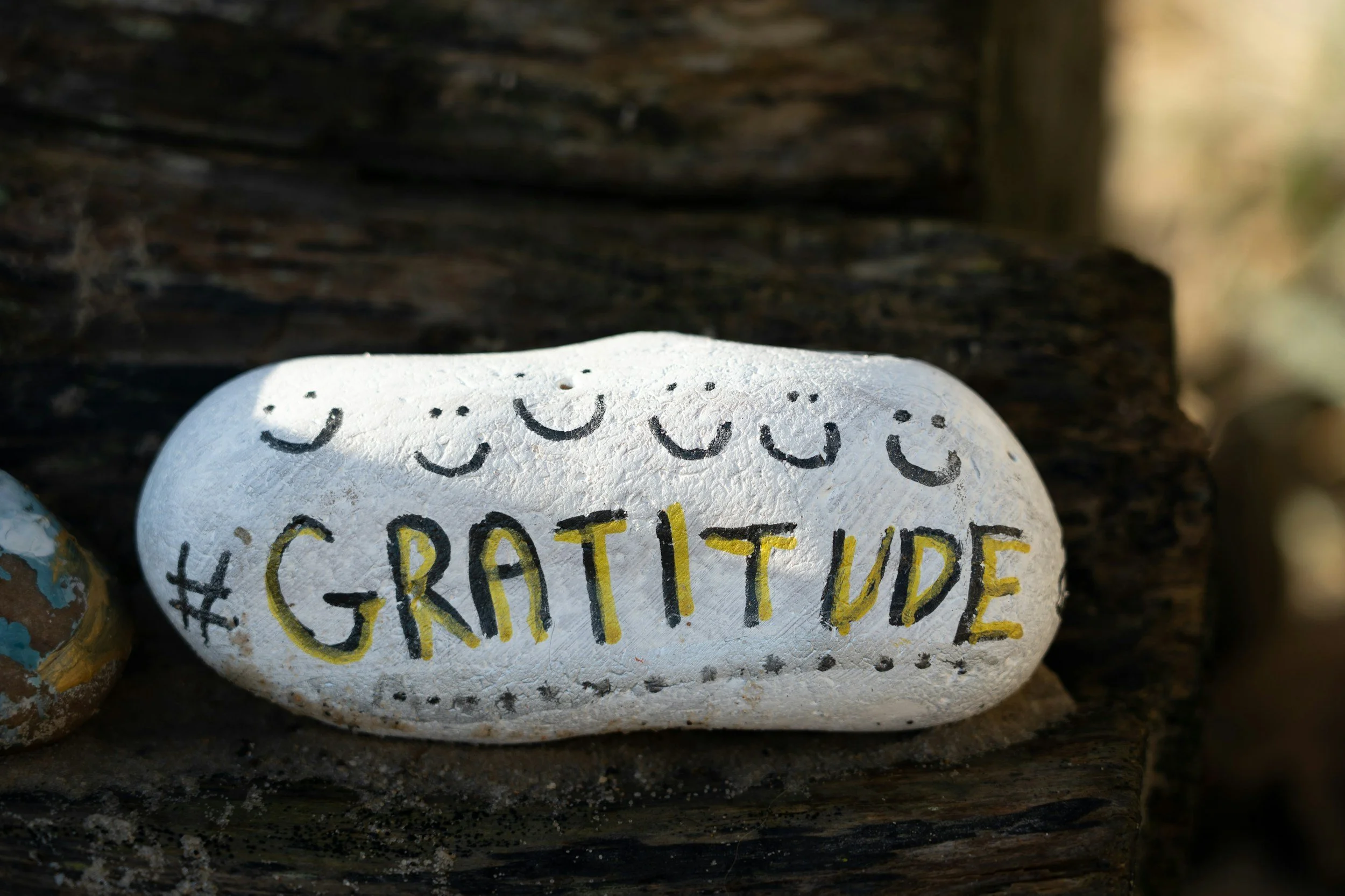
Why Gratitude Matters More Than Support in Long-Term Love
Long-term relationships run on many illusions, but the most cherished one is this: the belief that “supportive behavior” is inherently meaningful.
Americans love imagining that helping their partner through stress automatically strengthens the bond. It sounds so noble.
It flatters the helper. It looks terrific in wedding vows.
But according to recent research published in Frontiers in Psychology (Roth et al., 2023), your support does absolutely nothing for relationship satisfaction unless your partner bestows attention, registers it, feels grateful, and—critically—you pick up on that gratitude.
Without this specific sequence, supportive behavior is the relational equivalent of unpaid emotional overtime.
Nobody remembers it, and nobody feels better for having done it.
This finding is not romantic. But it is precise and accurate.
It is also the best news couples therapists had in years.
Because it finally exposes the one thing long-term couples do better than almost any other species: forgetting to appreciate the person standing three feet away doing half, or more, of the labor.

The Complete Guide to Living With a Highly Sensitive Spouse
You don’t marry a highly sensitive spouse.
You slowly come to understand that your partner is running a more advanced operating system than anything you’ve ever owned, and frankly, you’re not sure you would’ve passed the compatibility test if someone had administered it beforehand.
At first, it’s charming.
Your spouse notices things.
How thoughtful.
They point out the tension between your two friends at dinner.
They say that your mother “seemed off.”
They pick up on “an undertone” you absolutely did not hear—largely because you were focused on buttering a roll.
But then one day you realize they’re not overreacting; they’re over-perceiving.
And it’s not mystical, either—it’s rooted in what we know from the foundational research on sensory processing sensitivity as a temperament trait, described in Elaine Aron’s original work in Journal of Personality and Social Psychology.
Highly sensitive spouses aren’t fragile.
They’re observant to the point of being haunted.
And living with someone who notices everything—especially the things you’d prefer went unnoted—is an intimate education in how much of your life you assumed was occurring off-camera.

Why Science-Based Couples Therapy Matters: The Dark History of Marriage Counseling
Folks sometimes ask me why science-based couples therapy is important.
They ask it casually, the way you might ask whether you really need car insurance or whether the smoke alarm is just being dramatic.
Let me be as clear as mid-century America was not:
Because the field began as a polite, televised disaster.
The 1950s were not the golden age of marriage; they were the golden age of men with clipboards and no credentials issuing decrees about women’s lives.
It was a decade that successfully turned gender ideology into therapeutic doctrine—an impressive feat, if you ignore the human cost.
To understand why evidence matters, you have to see what filled the vacuum before evidence existed.