The Peanut Study: Why an Unsexy Snack Just Improved Brain Blood Flow and Memory in Older Adults
Sunday, November 30, 2025.
There is no graceful way to say this, so I’ll just rip the Band-Aid off:
the newest evidence-based intervention for aging brains is peanuts.
Not supplements with Greek letters.
Not longevity powders that cost as much as a dinner in Tribeca.
Not even blueberries, the Beyoncé of the produce aisle.
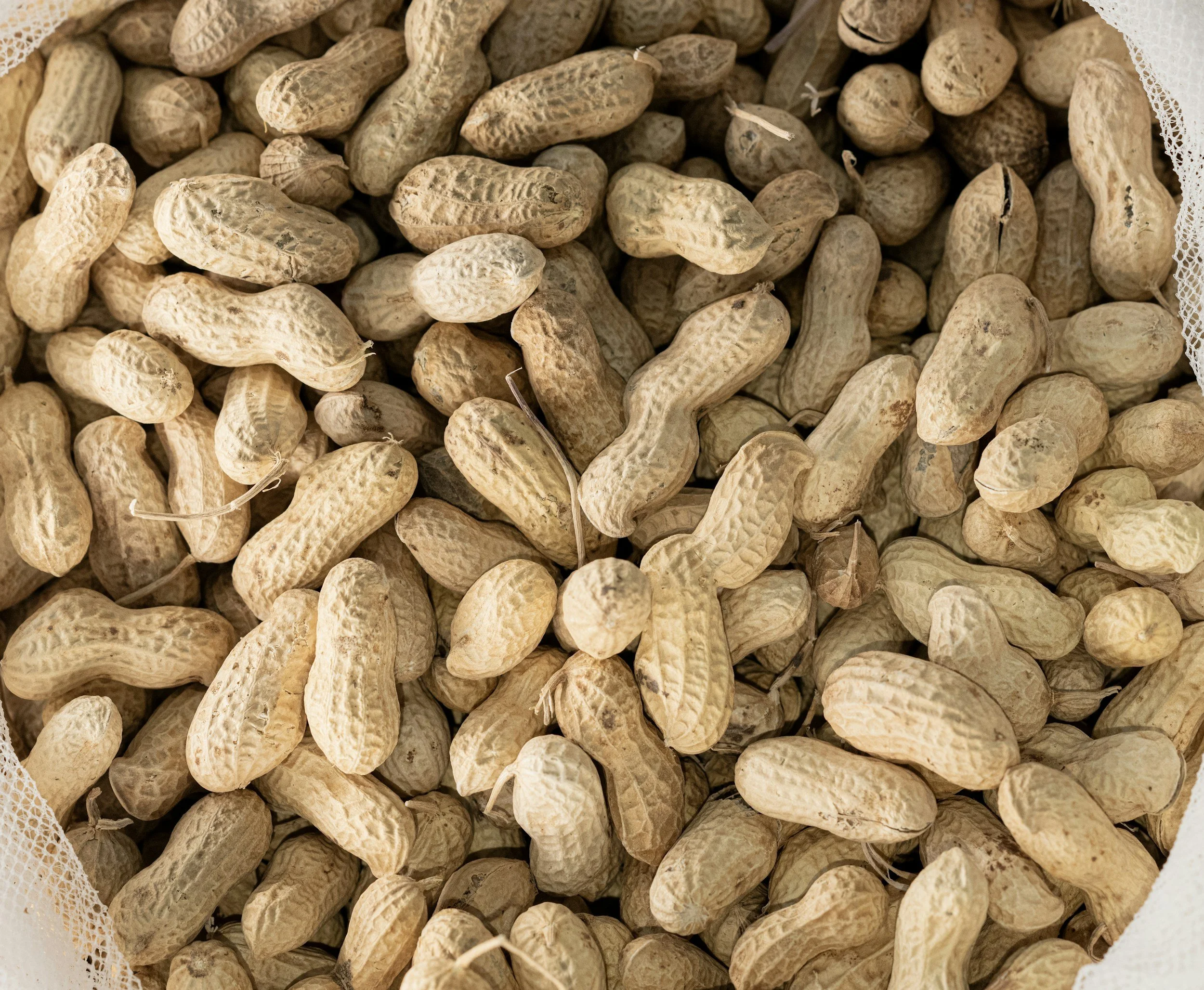
No—the scientific spotlight now shines on unsalted, skin-on roasted peanuts, a snack so pedestrian it could run for local office.
According to a surprisingly rigorous 16-week trial in Clinical Nutrition, these humble legumes—yes, legumes, the great pretenders of the nut world—improve brain blood flow and verbal memory in older adults.
If you feel personally insulted by this information because you’re spending a fortune on cognitive supplementation, that is an understandable reaction.
Why This Study Matters (Even If You Hate Peanuts)
Because aging is, in large part, a vascular problem.
Your brain needs oxygen and nutrients the way a toddler needs supervision: constantly, urgently, and for everyone’s safety.
But as we age, the brain’s blood-delivery system becomes unreliable, like a subway line after 9 p.m.—too slow, too inconsistent, and prone to shutting down without warning. Reduced cerebral blood flow is one of the earliest warning flares of cognitive decline.
So researchers asked the reasonable and quite beautiful question:
Is there anything cheap, edible, and widely available that might help?
And peanuts stepped forward like a shy volunteer who didn’t expect to be chosen.
Why Peanuts, Specifically?
You may wonder how a food associated with baseball games and break rooms suddenly became neuroscience’s new intern. There are two compelling reasons.
1. Peanuts Contain L-Arginine, the Nitric Oxide Matchmaker
L-arginine is an amino acid that becomes nitric oxide—the molecule that coaxes blood vessels to relax. Without nitric oxide, your blood vessels behave like tight-lipped New Englanders; with it, they become positively Mediterranean.
2. The Peanut Skin: The Unsung Hero of Vascular Health
The skin—yes, the flaky red thing you’ve been brushing off your clothes for decades—contains polyphenols like resveratrol.
Antioxidants. Anti-inflammatory compounds. All the things wellness influencers gesture vaguely toward while holding a mason jar.
Bottom line: the skins mattered, the unsalted part mattered, and the roasting positively impacted the nutrients.
In short, the ugly, unseasoned peanut is the hero. You can take this up with God.
The Study: The Most Serious Peanut Trial Ever Conducted
Thirty-one adults between 60 and 75 years old were recruited—and screened thoroughly because science refuses to trust us.
Participants:
ate 60 grams of unsalted, skin-on roasted peanuts daily for 16 weeks
took an 8-week break (“washout period,” in case they cheated with cashews)
then completed 16 weeks without peanuts
To measure brain blood flow, researchers used pseudo-continuous arterial spin labeling MRI—an imaging technique so advanced it feels vaguely illegal.
Cognition was tested using the Cambridge Neuropsychological Test Automated Battery, a computerized assessment designed to identify exactly how much you’ve forgotten.
No one was allowed to crush, heat, season, or otherwise improve the peanuts.
This is important.
This is science, not tapas.
The Findings: Peanuts Outperform Your Expensive Suppplement
After 16 weeks of daily peanuts:
• Whole-brain blood flow increased by 3.6%
A small number, but meaningful in the vascular world—like a bonus you didn’t expect but immediately spend.
• Gray matter blood flow increased by 4.5%
Gray matter is where the neurons are. If this were a neighborhood, it’s the one with the schools.
• Frontal lobe blood flow increased by 6.6%
Memory, planning, decision-making. Also the part of the brain responsible for stopping you from sending a text you will regret.
• Temporal lobe blood flow increased by 4.9%
Language, memory, emotional processing. Useful things.
• Verbal memory improved by 5.8%
Participants remembered more words twenty minutes later.
This is the cognitive equivalent of finding your keys faster.
• Systolic blood pressure dropped by 5 mmHg
Not dramatic, but enough to make your cardiologist nod approvingly.
And yes, participants consumed an extra 340 calories per day.
And no, they didn’t gain significant weight.
Apparently peanuts are filling in a way that potato chips pretend to be.
The Limitations: Because Science Has Boundaries
You cannot blind participants to the fact that they are eating peanuts. This is not a CIA operation.
Also, the study was funded by The Peanut Institute Foundation.
This raises an eyebrow, doesn’t it?
But please hear me out first. The funder had no involvement in the design, data collection, analysis, or publication decisions.
Frankly, if peanuts didn’t work, we’d know. Science is merciless that way. Good research has no pity.
So—Should You Eat Peanuts Every Day?
If you’re over 60 and already snacking, frankly, you could do worse.
Many people your age are eating:
crackers with the nutritional profile of drywall.
popcorn with the nutritional profile of paper towels.
“energy bars” that are essentially granola dressed up as a CEO.
Peanuts are ridiculously inexpensive, accessible, high in protein, and—tragically—effective.
But they need to be:
Unsalted.
Roasted.
Skins on.
an actual peanut, not a honey-roasted sugar bomb
Peanut butter may work too, but the study hasn't announced that sequel quite yet.
The Takeaway: A Snack Finally Earns Its Keep
Peanuts have been stepped on, ignored, thrown into trail mix as filler, and dismissed as a poor cousin to the decadent almond.
And yet, here they are—boosting blood flow to your frontal lobes like tiny vascular activists.
In a world where wellness advice is often expensive, mystical, or exhausting, peanuts are refreshingly practical:
They cost a few dollars.
They sit on a shelf for eternity.
They don’t require a subscription.
And they offer measurable cognitive benefits.
If you’re looking for a brain-boosting habit that doesn’t require a spiritual awakening or an ice bath, peanuts may be the only intervention that fits comfortably into a jacket pocket, and a limited budget.
Be Well, Stay Kind, and Godspeed.
REFERENCES:
Kerkhof, L., Mensink, R. P., Plat, J., Nijssen, K. M. R., & Joris, P. J. (2025). Longer-term skin-roasted peanut consumption improves brain vascular function and memory: A randomized, single-blind, controlled crossover trial in healthy older adults. Clinical Nutrition, 54(2), 512–521. https://doi.org/10.1016/j.clnu.2024.12.008
World Health Organization. (2023). Dementia fact sheet. https://www.who.int/news-room/fact-sheets/detail/dementia
Cambridge Cognition. (2021). CANTAB: Cambridge Neuropsychological Test Automated Battery. https://www.cambridgecognition.com/cantab
Peanut Institute Foundation. (2024). Research overview on peanuts and vascular health. https://peanut-institute.com/research