
Welcome to my Blog
Thank you for stopping by. This space is where I share research, reflections, and practical tools drawn from my experience as a marriage and family therapist with an international practice.
I write about what happens to desire, attachment, and meaning once the early myths stop working.
Are you a couple looking for clarity? A professional curious about the science of relationships? Or simply someone interested in how love and resilience work? I'm glad you've found your way here. I can help with that. I'm accepting new clients, and this blog is for the benefit of all my gentle readers.
Each post is written with one goal in mind: to help you better understand yourself, your partner, and the hidden dynamics that shape human connection
Grab a coffee (or a notebook), explore what speaks to you, and take what's useful back into your life and relationships.
And if a post sparks a question, or makes you realize you could use more support, l'd love to hear from you. Let's explore the scope of work you'd like to do together.
Be Well, Stay Kind, and Godspeed.
~ Daniel
P.S.
Feel free to explore the categories below to find past blog posts on the topics that matter most to you. If you're curious about attachment, navigating conflict, or strengthening intimacy, these archives are a great way to dive deeper into the research and insights that l've been sharing for years.
- Attachment Issues
- Coronavirus
- Couples Therapy
- Extramarital Affairs
- Family Life and Parenting
- How to Fight Fair
- Inlaws and Extended Families
- Intercultural Relationships
- Marriage and Mental Health
- Married Life & Intimate Relationships
- Neurodiverse Couples
- Separation & Divorce
- Signs of Trouble
- Social Media and Relationships
- What Happy Couples Know


Why Women Fall in Love With Demons: What Isaac Bashevis Singer Knew About Fantasy and Desire
There are stories you summarize at your peril.
This is one of them.
Because if you reduce “Taibele and Her Demon” to a lonely woman is tricked by a man pretending to be a demon,you have described the skeleton and misplaced the body.
The tale is much odder, sadder, funnier, and morally slipperier than that.
And, as with much of Isaac Bashevis Singer, the comedy comes wearing the clothes of metaphysics.
First, the story itself.

Why Women Fall for Fictional Men, Dangerous Fantasies, and Even the Minotaur
There is a recurring mistake in public conversations about sexuality: the assumption that fantasy should map neatly onto real-world wishes.
It rarely does.
Fantasy often expresses tension, paradox, symbolic play, unresolved longings, and imaginative experimentation rather than literal desire.
This distinction matters when discussing recent research on women’s interest in aggressive erotica, women’s use of pornography more broadly, and the striking phenomenon of women developing intense romantic attachments to fictional—and sometimes nonhuman—characters.

The Political Importance of a Well-Fitting Jacket: Fashion, Visibility, and Women’s Well-Being
There is a vulgar superstition that intelligent women are not supposed to care about clothes.
This superstition survives despite mountains of contradictory evidence, including all of civilization.
People say clothing is superficial in the same way people say architecture is just shelter, or dinner parties are just calories.
These are remarks made by folks who have either never been alive in public or have hired someone to dress them.
A new study by Jekaterina Rogaten and Viviana Rullo suggests something women have known without academic permission for decades:
finding clothing that fits your age, body, and sense of self is linked to psychological well-being.
Women who felt satisfied with their clothing options reported greater well-being and less social avoidance.
One wants to say: stop the presses. A cardigan may be preventing despair.
And yet something in the findings feels quietly radical.
Because the researchers are not really talking about blouses.
They are talking about social existence.

Childhood Emotional Abuse and Adult Relationships: How Belonging Shapes Relationship Satisfaction
Psychology, like fashion, has seasons.
There was the era when everything was repression.
Then codependency.
Then trauma.
Now attachment.
We have reached a point where forgetting to unload the dishwasher can sound suspiciously like an abandonment wound.
This may be progress.
It may also be inflation.
Which is partly why this new study interested me. It proposes something almost unfashionably simple: childhood psychological abuse may erode not only later trust, but a person’s sense of belonging, which in turn may diminish relationship satisfaction.
That lands differently.

Admiration Starvation: A Missing Variable in Marriage Research?
There is a peculiar modern superstition that relationships fail because people stop communicating.
As if the average couple is one improved reflective-listening exercise away from transcendence.
This has always struck me as a little flattering to communication.
People can communicate quite beautifully while dismantling one another.
And many marriages do not fail because dialogue collapsed.
They fail because admiration quietly thinned.
That possibility has interested me for years.
Not as a grand theory. God spare us new grand theories of marriage.
As an under-noticed sorrow.
Because many relationships do not die in fire.
They go beige.
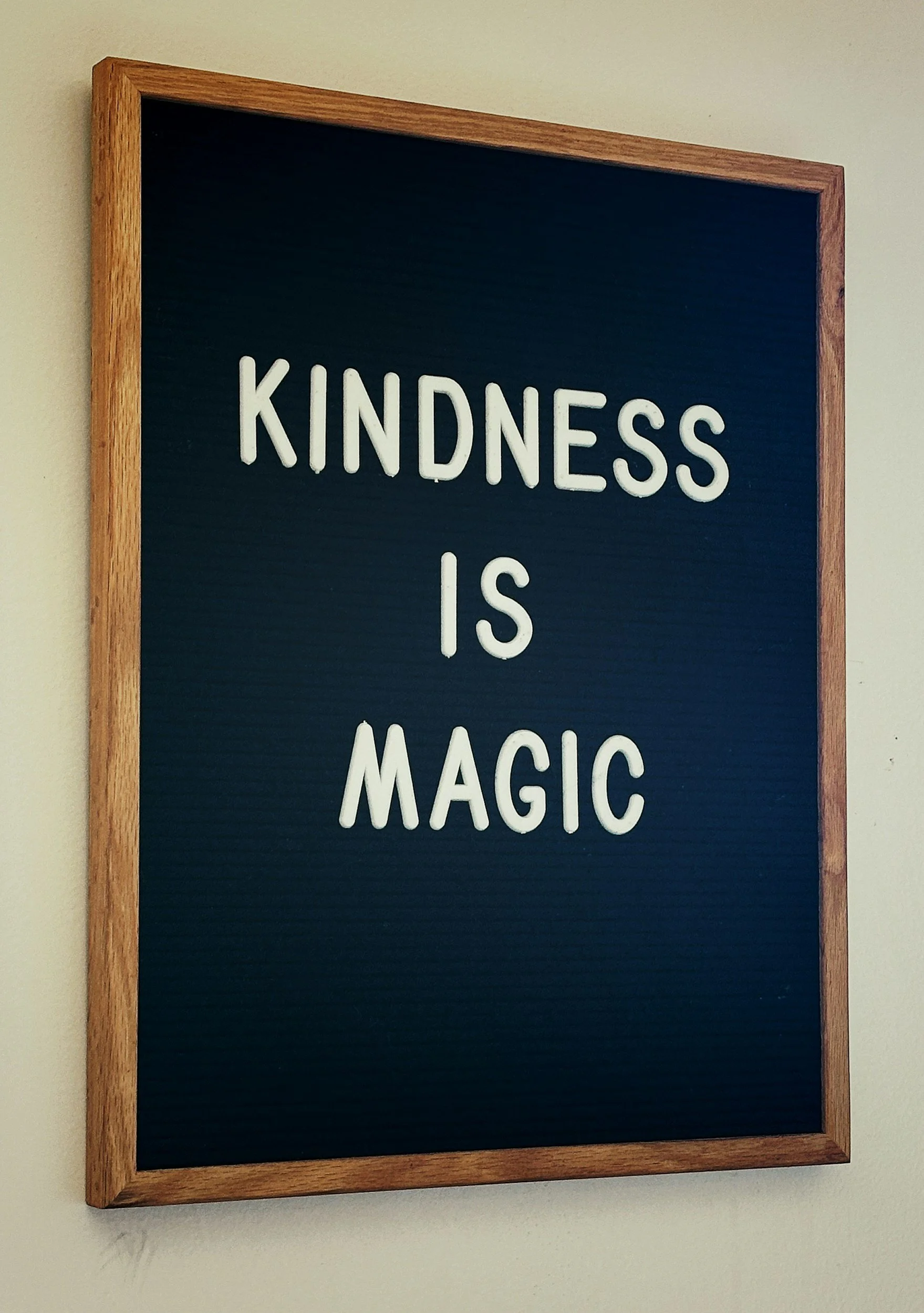
When Kindness and Manipulation Coexist: What New Research Says About Gossip, Dark Traits, and Social Control
There is an old sentimental error that bad actors reveal themselves through obvious cruelty.
They do not.
Quite often they arrive agreeable, cooperative, and socially skilled.
A recent study in Personality and Individual Differences offers a useful corrective.
Its central finding is modest, but unsettling.
People high in dark personality traits—particularly psychopathy and vulnerable narcissism—reported greater use of relational aggression: gossip, exclusion, reputation damage, punitive ignoring.
That itself is not novel.
The more interesting finding was that prosocial behavior did not reliably erase these associations.
In some folks, helping and harming appeared to coexist as distinct behavioral tendencies.
That deserves thought.

Your Lungs May Have Opinions: New Research on Breathing and Perception
Here is an odd thing.
Slowing the breath can, under some conditions, improve your sensitivity to ambiguous emotional faces during inhalation—and impair it during exhalation.
Your lungs, apparently, may have opinions.
That, at least, is one way of reading a fascinating recent paper by Shen-Mou Hsu and Chih-Hsin Tseng published in the European Journal of Neuroscience, which examined how slow-paced breathing alters perceptual sensitivity to facial expressions.
And before anyone in the wellness-industrial complex starts announcing that diaphragmatic breathing can now cure divorce, you better behave. I’m watching you.
This finding is narrower, stranger, and in some ways much more interesting.

Was Stanley Milgram Wrong? What the Obedience Experiments Still Reveal About Authority, Narcissism, and Moral Blindness
There are experiments that produce findings.
And there are experiments that become scripture.
Milgram became scripture.
That is rarer, and more dangerous.
Because once an experiment hardens into parable, people stop reading it as evidence and start using it as anthropology.
People obey authority.
Full stop.
A complete theory of civilization, apparently, tucked into 3 words.
One always wants to ask: compared to what?
People also resist authority. Mock authority. Seduce authority. Elect authority. Marry authority. Divorce authority. Project God onto authority. And, in one of history’s least charming habits, outsource conscience to authority.
Milgram was never about simple obedience.
That was the tourist brochure.
Milgram was about what happens when social legitimacy begins to colonize moral perception.
That is a different problem.
And one with longer legs.

Marriage Often Ends in Ambivalence Before It Ends in Conflict
There is a romantic superstition—one of many—that successful relationships depend mainly on intensity of feeling.
How much do you love your partner?
How attracted are you?
How devoted?
Reasonable questions.
Possibly the wrong questions.
A fascinating new study by Rasheedah Adisa and Andrew Luttrell in the Journal of Social and Personal Relationships suggests something stranger may matter alongside love itself: how certain you are about what you feel.
That sounds abstract until you recognize it.
Two spouses may both say they love one another.
One says it with settled conviction.
The other says it with a tremor.
Same words.
Different marriage.
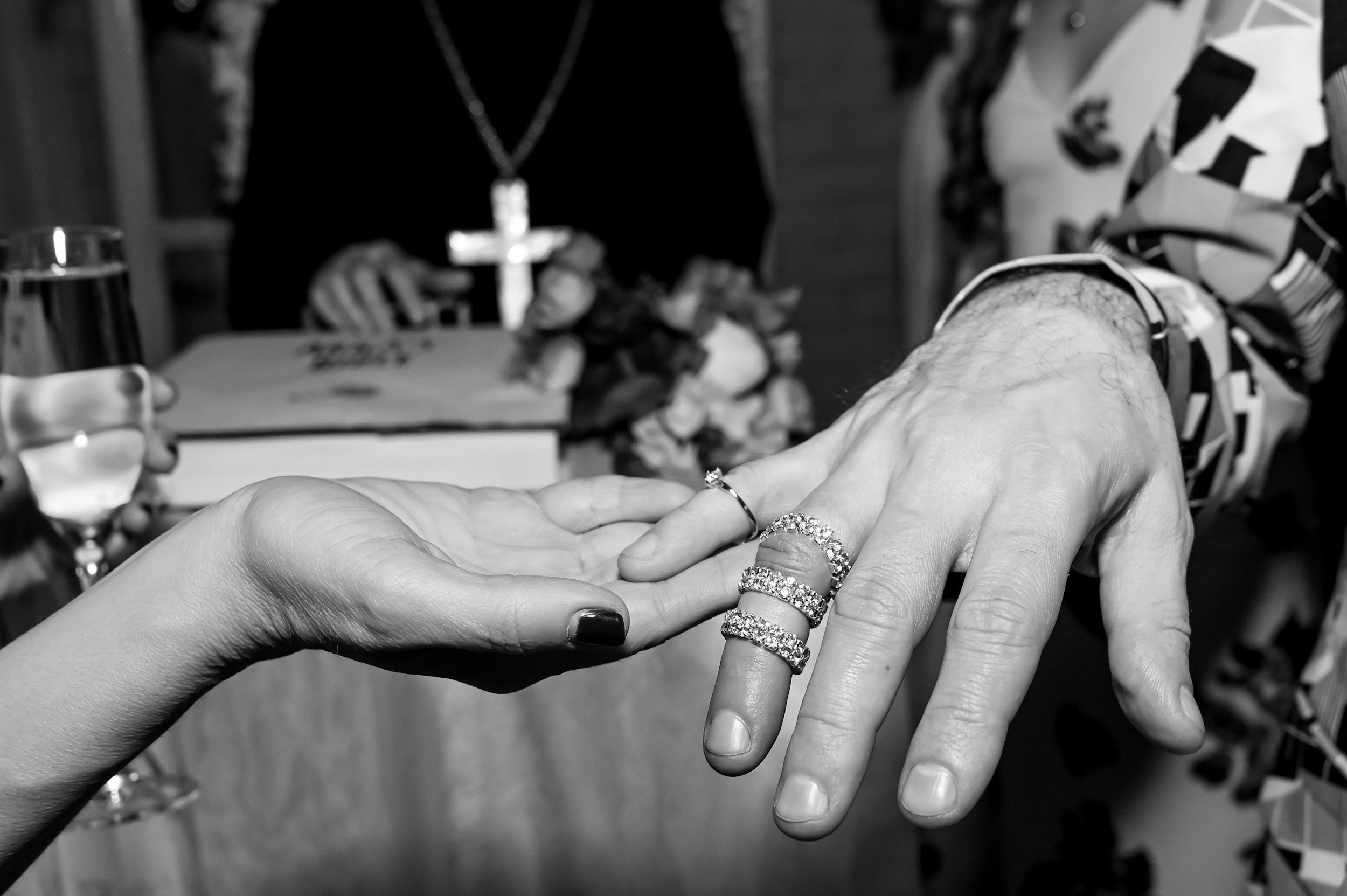
Marriage as Sacred Practice: What Relational Spirituality Reveals About Lasting Love
Modern marriage has become remarkably skilled at talking about technique.
Communication skills. Conflict repair. Attachment needs. Boundaries.
All useful.
And yet many couples do not suffer from a lack of technique.
They suffer from a thinning of meaning.
That may be one reason the psychology of spirituality has something unexpectedly practical to say about intimate life.
Psychologist Annette Mahoney has spent years studying what she calls a relational spirituality framework—a way of understanding how couples sometimes experience their bond not merely as emotional arrangement, but as carrying moral, existential, even sacred significance.
That perception, she argues, can shape commitment, sacrifice, forgiveness, and also the particular pain of betrayal.
That is worth taking seriously.
If you are reading this out of curiosity, stay with me.
If you are reading because something in your relationship feels harder to name than conflict alone, some of what follows may offer language.

The Crisis of Modern Marriage Is Not Communication—It’s Consecration
The crisis in many modern marriages is not primarily a failure of communication.
It is a failure of consecration.
There. We might as well begin with the impolite thought.
Contemporary relationship culture prefers problems that can be solved with a worksheet.
Communication protocol. Repair script. Attachment reframe. Shared Google calendar.
Useful things. Bless them.
But I have come to suspect that many couples do not suffer because they have lost techniques. They suffer because reverence has quietly drained from the bond.
Technique can organize intimacy. It cannot sanctify it.
There is a difference. And human beings, sooner or later, feel it.
For years I have thought some of what couples call disconnection is not merely emotional estrangement. It is sacred regard gone dim.
Only recently has culture begun, haltingly and in odd costumes, to catch up.
No Contact Culture, Exit Norms, and the Collapse of Repair
Once upon a time, cutting off a family member meant something enormous had happened.
A daughter stopped taking her mother’s calls.
Two brothers quit speaking after a political argument that was never really about politics.
A married couple began calling prolonged silence “space,” when what they meant was grief.
These things happen quietly now. Violence. Cruelty. A betrayal so destabilizing it altered the architecture of trust.
Now it may mean someone texted in the wrong tone.
That sounds flippant. It isn’t.
In my work with couples and families, I have watched a subtle moral shift take hold.
More folks now speak of ending relationships not as tragic last resorts but as signs of psychological sophistication. Withdrawal has acquired prestige.
Exit has acquired virtue.
If you are reading this because you are trying to understand whether distancing from someone is wisdom or avoidance, stay with me.
This distinction matters more than internet advice often suggests.
There is an emerging possibility—uncomfortable, worth considering—that American culture is quietly replacing repair norms with exit norms.