
Welcome to my Blog
Most people don’t arrive here because something dramatic has happened.
They arrive because something feels… different.
The relationship still works. Conversations still happen. Life continues.
But something important is no longer organizing it the way it used to.
This space is where I write about that shift.
Not just what breaks relationships—but what quietly changes them:
how desire adapts.
how attention moves.
how meaning erodes or deepens over time.
These patterns are not random.
They tend to unfold in a predictable sequence.
If you’re here, you’re likely in one of those moments:
trying to understand what changed.
trying to decide whether it matters.
trying to figure out what to do next.
Start anywhere.
But if something here feels familiar, don’t treat it as abstract.
It usually isn’t.
Where to Begin
If you’re not sure what you’re looking for, these are a few good entry points:
Marriage Is Still Chosen — Even by Those Who Once Stood Outside It.
Epistemic Safety: What It Is and Why It Matters in Relationships.
The Relationship Consequences of Living in a Permanent News Cycle.
The Two Types of People Narcissists Avoid (And Why You Might Be One of Them).
When Narcissists Grieve: Why Their Mourning Looks Cold, Delayed, or Self-Centered
The 3-6-9 Dating Rule: Why Most Relationships Change at Month 3, 6, and 9.
The First Listener Shift: A Precise Relationship Diagnostic Most Couples Miss.
Why Curiosity Is Sacred in Relationships (And What Happens When It Disappears).
If You’re Looking for More Than Insight
Understanding is useful.
But at a certain point, most couples realize they can explain their relationship clearly—and still not change it.
That’s where focused work becomes effective.
I offer structured, high-impact couples intensives designed to produce meaningful movement in a compressed period of time.
Before We Decide Anything
A brief consultation helps determine:
whether this is what you’re dealing with.
whether this format fits.
and whether we should move forward.
Get a Clear Read on Your Relationship
Take your time reading.
But if something here lands in a way that feels specific—pay attention to that.
That’s usually where this work begins.
Continue Exploring
If you prefer to browse more broadly, you can explore posts by topic below.
But most people don’t find what they need by browsing.
They find it when something they read feels uncomfortably accurate.
Be Well, Stay Kind, and Godspeed.
~ Daniel
- Attachment Issues
- Coronavirus
- Couples Therapy
- Extramarital Affairs
- Family Life and Parenting
- How to Fight Fair
- Inlaws and Extended Families
- Intercultural Relationships
- Marriage and Mental Health
- Married Life & Intimate Relationships
- Neurodiverse Couples
- Separation & Divorce
- Signs of Trouble
- Social Media and Relationships
- What Happy Couples Know
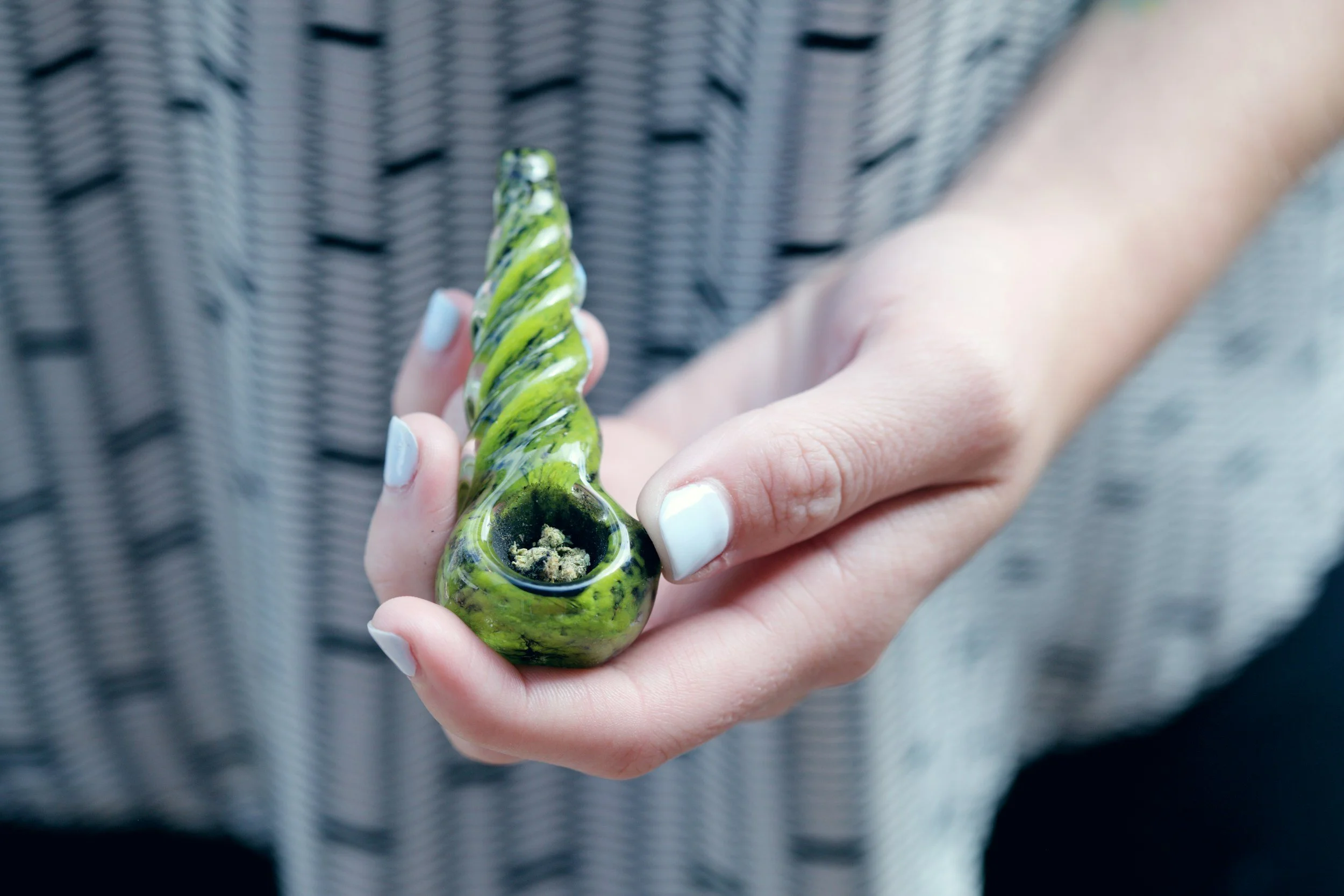
Addiction Management: Best Practices?
It's not often that I dive into research and come away thinking, "Well, that was a major WTF moment..." But here we are.
When it comes to treating addiction long-term, success rates are depressingly modest.
This revelation comes from a massive meta-review of thousands of peer-reviewed addiction studies spanning several decades.

It's weird to be the same age as old people… the fascinating world of Superagers…
Ever thought about how strange it is to be the same age as old people? Imagine looking around and realizing that while your peers are slowing down, you’re still going strong, both mentally and physically.
Welcome to the intriguing world of superagers!
What Are Superagers?

Disrupted sleep in your 30s and 40s? There are consequences…
Greetings, gentle reader. Are you sleeping ok?
Did you know that, for some of you, how you’re sleeping now might be carving grooves into your cognitive destiny?
As you’ve probably noticed, this blog has an ongoing focus on sleep science.
A recent study has suggested that disrupted sleep patterns that are established in your 30s and 40s might impact memory later.

How Your Relationship Affects Your Sleep: The Power of a Responsive Partner
Recent research shows that having a responsive partner is closely linked to better sleep quality.
Responsiveness in a relationship goes beyond mere listening; it involves being attuned to your partner’s needs and showing genuine compassion.
What Does It Mean to Be Responsive?

How Neuroticism and Introversion Interact to Produce Chronic Anxiety
As a marriage and family therapist, I often see how intertwined our personality traits are with our mental health.
For those grappling with both neuroticism and introversion, the journey can be especially challenging.
Research indicates that folks who exhibit both of these traits are more susceptible to chronic anxiety problems…

Social Anxiety? You gotta read this…
Dealing with social anxiety disorder can feel like navigating a maze filled with walls that whisper doubts and fears.
Making friends might seem like an impossible feat, but here’s a hopeful message: you’re doing better than you think…

Optimists Sleep Better: How Training Your Optimism Could Improve Your Sleep
Research indicates that optimists get better sleep, with a 70% lower chance of suffering from insomnia or sleep disorders than their less optimistic counterparts.
Optimists, who typically view the future with hope and see goodness in the world, may benefit from reduced ruminative thoughts about stressful events, a common culprit for keeping insomniacs awake at night…

Confirmed: Exercise Improves Sleep…
Science has finally confirmed what many suspected to be true about sleep: exercise indeed improves sleep quality, as a recent study affirms.
While some may not subjectively feel the effects, this naturalistic study demonstrates a clear link between exercise and improved sleep metrics, particularly in the realm of non-rapid eye movement (NREM) sleep.

Personality change after bariatric surgery and bariatric divorce…
Personality change after bariatric surgery is a fact, and a bariatric divorce is often the result.
After bariatric surgery, hormone levels dramatically shift, and the post-surgery dietary regime changes serotonin levels and neurotransmitter activity in the brain.
Personality change after bariatric surgery can wreak havoc in marriage and leave spouses completely unprepared…

Toxic Careers, Declining Industries, and Marital Strain: Understanding the Link…
Understanding the science behind our recent history of COVID Stress, and the divorce rate of occupations requires some sort of a pre-COVID baseline.
Fortunately, several studies in 2015 researched the divorce rates of various occupations… What changed?

How long does sadness last? The science of bad outcomes…
How long do we feel sad after a serious personal setback? And what sorts of setbacks are particularly impactful?
In these extraordinary times, I took a detour into new research from the field of Labor Economics to examine this question… how long does sadness last after a significant setback?

Old brain vs. young brain… prepare to be surprised…
As people age, their brains inevitably undergo changes that can impact cognitive function.
However, recent research shows that older adults often develop strategies to use their brains more efficiently than younger folks...