Welcome to my Blog
Thank you for stopping by. This space is where I share research, reflections, and practical tools drawn from my experience as a marriage and family therapist with an international practice.
I write about what happens to desire, attachment, and meaning once the early myths stop working.
Are you a couple looking for clarity? A professional curious about the science of relationships? Or simply someone interested in how love and resilience work? I'm glad you've found your way here. I can help with that. I'm accepting new clients, and this blog is for the benefit of all my gentle readers.
Each post is written with one goal in mind: to help you better understand yourself, your partner, and the hidden dynamics that shape human connection
Grab a coffee (or a notebook), explore what speaks to you, and take what's useful back into your life and relationships.
And if a post sparks a question, or makes you realize you could use more support, l'd love to hear from you. Let's explore the scope of work you'd like to do together.
Be Well, Stay Kind, and Godspeed.
~ Daniel
P.S.
Feel free to explore the categories below to find past blog posts on the topics that matter most to you. If you're curious about attachment, navigating conflict, or strengthening intimacy, these archives are a great way to dive deeper into the research and insights that l've been sharing for years.
- Attachment Issues
- Coronavirus
- Couples Therapy
- Extramarital Affairs
- Family Life and Parenting
- How to Fight Fair
- Inlaws and Extended Families
- Intercultural Relationships
- Marriage and Mental Health
- Married Life & Intimate Relationships
- Neurodiverse Couples
- Separation & Divorce
- Signs of Trouble
- Social Media and Relationships
- What Happy Couples Know


The Meaning Recession: Why Everything Feels Slightly Unreal
There was a time—not very long ago—when most days had a recognizable shape.
You woke up. You talked to the folks around you. You worked. You came home.
You watched the evening news, read the paper, or called a friend.
The world arrived in chapters. Imperfect chapters, certainly, but chapters nonetheless.
Stories had beginnings. Arguments had endings. Even the day's worries eventually surrendered to sleep.
Now consider an ordinary Thursday.
You're waiting for the coffee to brew when your phone tells you a celebrity has died.
A college roommate announces her engagement.
A hurricane is gathering strength somewhere you've never been.
An artificial intelligence has created an image convincing enough to make you wonder what "real" means anymore.
A stranger is crying into a camera.
Another is making bread that somehow looks better than anything you've baked.
The stock market stumbles. A politician says something outrageous.
Someone rescues an abandoned puppy. Someone else insists civilization is collapsing before the weekend.
The kettle hasn't even finished boiling.
Before your first cup of coffee, you've emotionally visited half the planet.
The remarkable thing isn't that this happens.
The remarkable thing is that it now feels ordinary.
The Store That Met Your Grandchild Before You Did
There was a time when mothers were the first to know their daughters were pregnant.
Then, for one brief and deeply unsettling moment in American retail history, Target entered the competition.
This was awkward for everyone.
Families have traditionally preferred to discover pregnancies over dinner.
Retailers apparently decided the mailbox would be faster.
Around 2012, the now-famous story emerged that Target's data scientists had become remarkably good at predicting pregnancy from shopping patterns.
Unscented lotion. Certain vitamins. Cotton balls. A constellation of ordinary purchases that, taken together, quietly whispered, "Congratulations."
According to the widely circulated account, an angry father stormed into a Target store demanding to know why his teenage daughter had received coupons for cribs and baby clothes.
A few days later, he apologized.
The coupons, it turned out, had not been mistaken.
His assumptions had.
Whether every detail of the anecdote unfolded exactly as it has been retold remains difficult to verify. The underlying predictive analytics, however, were very real.

The Algorithm That Didn't Know How to Grieve
There are mistakes.
And then there are mistakes that arrive decorated with balloons.
Facebook's "Year in Review" feature was one of those.
The idea seemed harmless enough.
At the end of each year, the platform would automatically assemble your most memorable moments beneath cheerful headlines like "What a Great Year!"
For millions of folks, this worked beautifully.
For others...
The smiling banner appeared above photographs of children who had died.
Spouses who had passed away.
Parents.
Friends.
The algorithm had taken grief, wrapped it in confetti, and called it nostalgia.
It wasn't cruel.
It was simply incapable of understanding the difference.
If software could blush, this would have been the moment.
It can't.
That, unfortunately, was the entire problem.

The Airline That Knew Too Much
There are two kinds of optimism.
The first is believing mankind will someday cure cancer.
The second is believing every businessman flying to Palm Springs with an attractive blonde is traveling with his wife because the reservation form says so.
The airline industry, during the 1960s, embraced both with equal enthusiasm.
It was the golden age of aviation. Flying was glamorous.
Stewardesses wore white gloves. Men wore hats.
Everyone smoked indoors with the serene confidence of people who had not yet read the Surgeon General's report. Even the cocktails seemed to have frequent-flyer miles.
Airlines were desperate to fill seats, particularly on business routes.
Some marketing executive—whose confidence exceeded both his curiosity and his knowledge of human behavior—dreamed up a promotion called "Take Me Along."

Nun Girl Summer: The Psychology Behind Dating Burnout
There is something quietly radical happening this summer.
Thousands of young women are announcing that they are taking a break from dating. They are deleting the apps. Ignoring the "You up?" texts.
Declining blind dates. Opting out of the endless cycle of matching, messaging, wondering, hoping, and being disappointed.
Social media has given the movement a memorable name:
Nun Girl Summer.
The title is playful.
The mood beneath it is not.
Most headlines have treated the trend as another internet curiosity.
Is it anti-men? Is it feminism? Is it celibacy wrapped in a catchy TikTok phrase?
Is it simply the latest viral challenge destined to disappear in a few weeks?
Those questions are understandable.
They are also asking the wrong question.

What Science Says About the Ideal Female Buttocks
Somewhere along the line, the internet decided that the female buttocks had become a public utility.
There are influencers devoted entirely to building them, surgeons devoted entirely to reshaping them, algorithms devoted entirely to displaying them, and comment sections devoted entirely to pretending that everyone's preferences are entirely personal and have absolutely nothing to do with biology.
The remarkable thing is that everyone is only half wrong.
Beauty is one of those subjects that attracts certainty like a porch light attracts moths.
One camp insists attraction is almost entirely cultural.
Another insists evolution settled the matter somewhere around the Ice Age.
Both camps usually speak with impressive confidence and very little curiosity.
Science, fortunately, is less interested in winning arguments than asking inconvenient questions.
Why do humans—even across remarkably different cultures—show similar preferences for certain body proportions?
Why did one particular muscle become so visually prominent in our species?
Why would body fat accumulate in places that seem, at first glance, almost artistically inconvenient?
And why does one of the most discussed parts of the human body turn out to be carrying information that has almost nothing to do with modern beauty standards?
The answer begins several million years before anyone invented yoga pants.

AI and Relationships: Should ChatGPT Interpret Your Marriage?
There is a new ritual unfolding in American kitchens, bedrooms, parked cars, and grocery store parking lots. It rarely makes the news because it is too ordinary. No one announces it. No one posts about it afterward.
An argument ends.
Someone picks up their phone.
Not to text their spouse.
Not to call a friend.
Not to cool off.
They open ChatGPT.
Then comes the modern equivalent of confession:
"What did my husband mean?"
Or:
"Is my wife manipulating me?"
Or my personal favorite:
"Analyze this conversation."
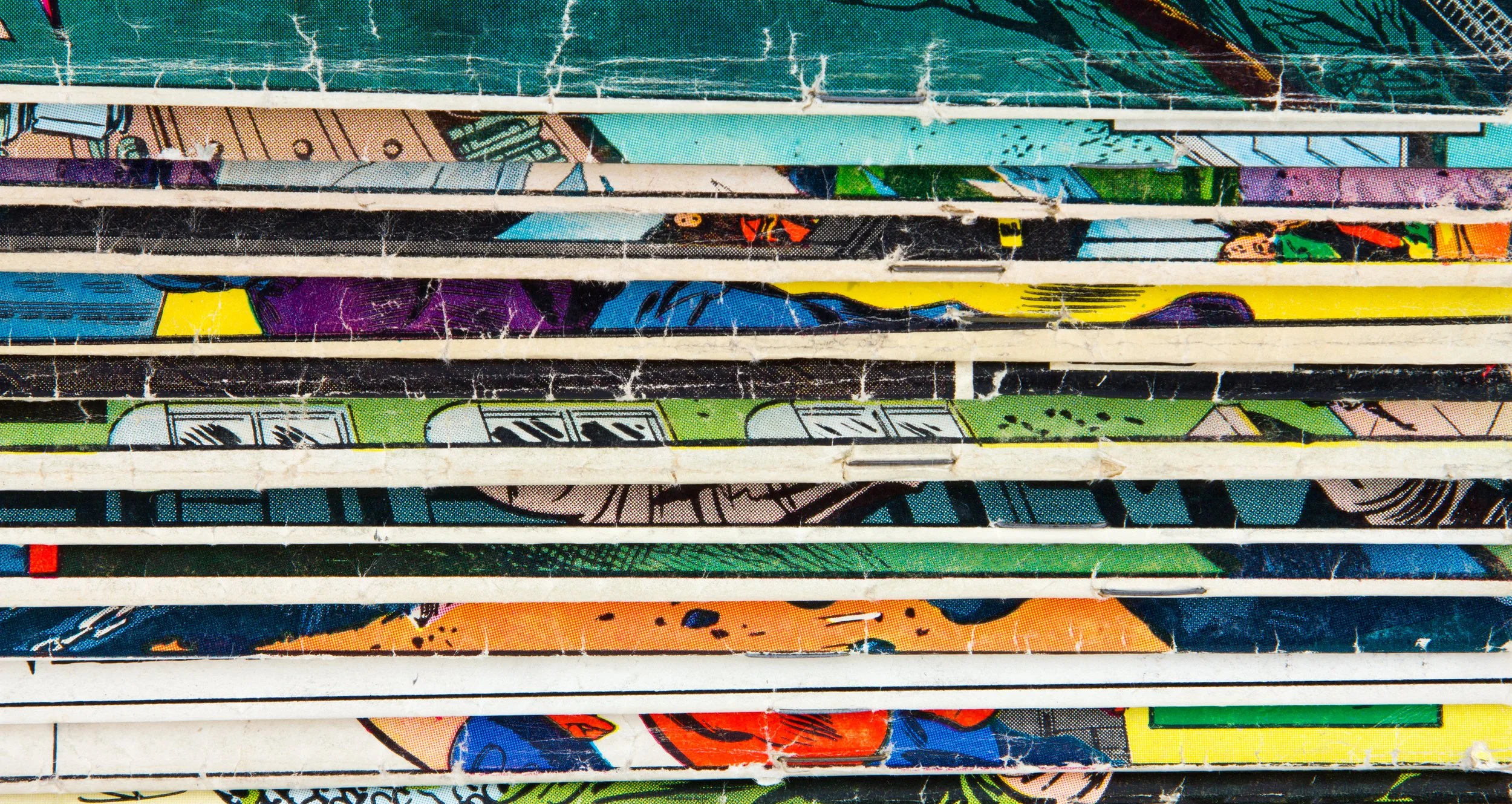
The Republic of Four Colors: How Comic Books Taught Me to Read America
In 1963 I lusted after comic books.
Not liked.
Not enjoyed.
Not collected.
Lusted.
The distinction matters.
People enjoy a cup of coffee. They enjoy a sunny afternoon. They enjoy a comfortable chair.
Nobody enjoyed comic books the way I experienced them.
Comic books occupied the same territory as desire.
The same territory as hunger.
The same territory as religious longing.
A ten-cent comic book was not ten cents.
A ten-cent comic book was access.
Access to another world.
Access to another self.
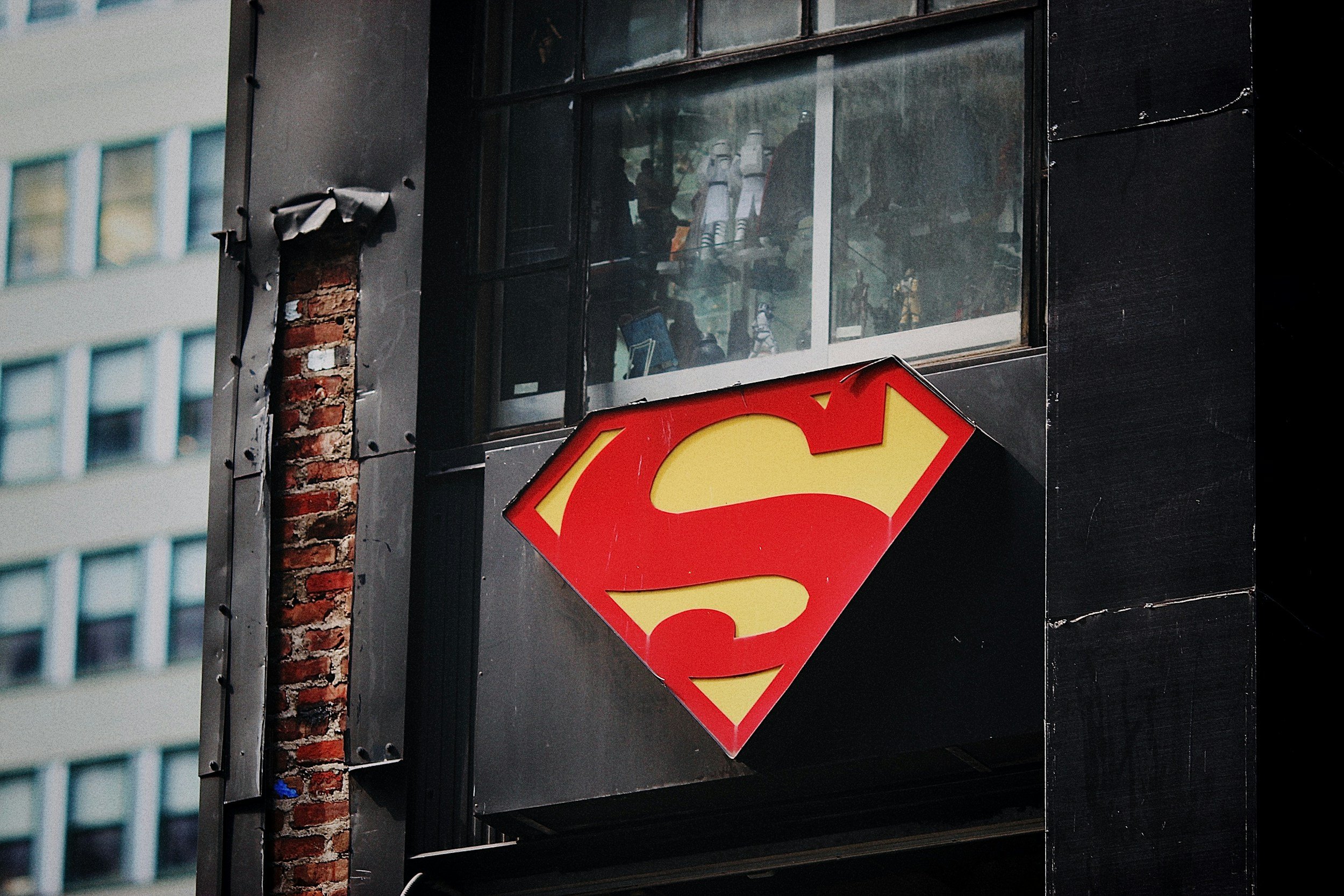
Cinema Therapy: Supergirl and the Grief of Worlds That No Longer Exist
There is a particular kind of grief that does not fit neatly into the categories.
No one died yesterday.
No catastrophe appeared on the evening news.
There is no funeral.
No casserole arrives at the door.
And yet something feels gone.
Folks describe it in odd ways.
The neighborhood doesn't feel the same.
The profession doesn't feel the same.
The country doesn't feel the same.
Dating doesn't feel the same.
Marriage doesn't feel the same.
The future doesn't feel the same.
The feeling is difficult to name because the object of grief is often invisible. What has disappeared is not necessarily a person. It is a world.
A set of assumptions.
A map of reality.
A future we quietly expected to inhabit.
This may be one reason the enduring appeal of Supergirl feels increasingly relevant.
For all the capes and cosmic battles, Supergirl is not fundamentally a story about superpowers.
It is a story about surviving the destruction of a world and waking up somewhere that no longer follows the rules you were taught.
In that sense, she may be one of popular culture's most compelling trauma icons.
Not because she suffers.
Many heroes suffer.
Because she remembers.

The Return of Ritual: Why Families Are Rebuilding Sacred Time in the Age of the Attention Economy
A strange thing happened when we built the most powerful attention-capturing machines in human history.
We rediscovered the family dinner.
Not because dinner changed.
Because attention changed.
For thousands of years, human beings developed rituals that directed attention toward what mattered most.
Meals. Holidays. Birthdays. Weddings. Sabbaths. Bedtime stories. Seasonal celebrations. Shared traditions.
These practices were so common that they became nearly invisible.
Then, within a single generation, we built an economy designed to redirect attention somewhere else.
The result was not merely distraction.
It was a crisis of continuity.

The Cynicism Trap: Why We Think Other People Are Worse Than They Really Are
There is a peculiar superstition circulating among modern adults.
The superstition is not that human beings are good.
The superstition is that human beings are terrible.
Mention marriage and someone will tell you about divorce.
Mention religion and someone will tell you about hypocrisy.
Mention politics and someone will tell you about corruption.
Mention social media and someone will tell you about narcissists.
Mention trust and someone will look at you as if you have just proposed investing your retirement savings in a pyramid scheme operated by ferrets.
The hopeful person is considered naïve.
The trusting person is considered gullible.
The cynic, meanwhile, is treated like the adult in the room.
Suspicion has become a form of sophistication.
Pessimism has become a personality.
And distrust increasingly passes for wisdom.
A fascinating new study suggests we may be getting the math wrong.
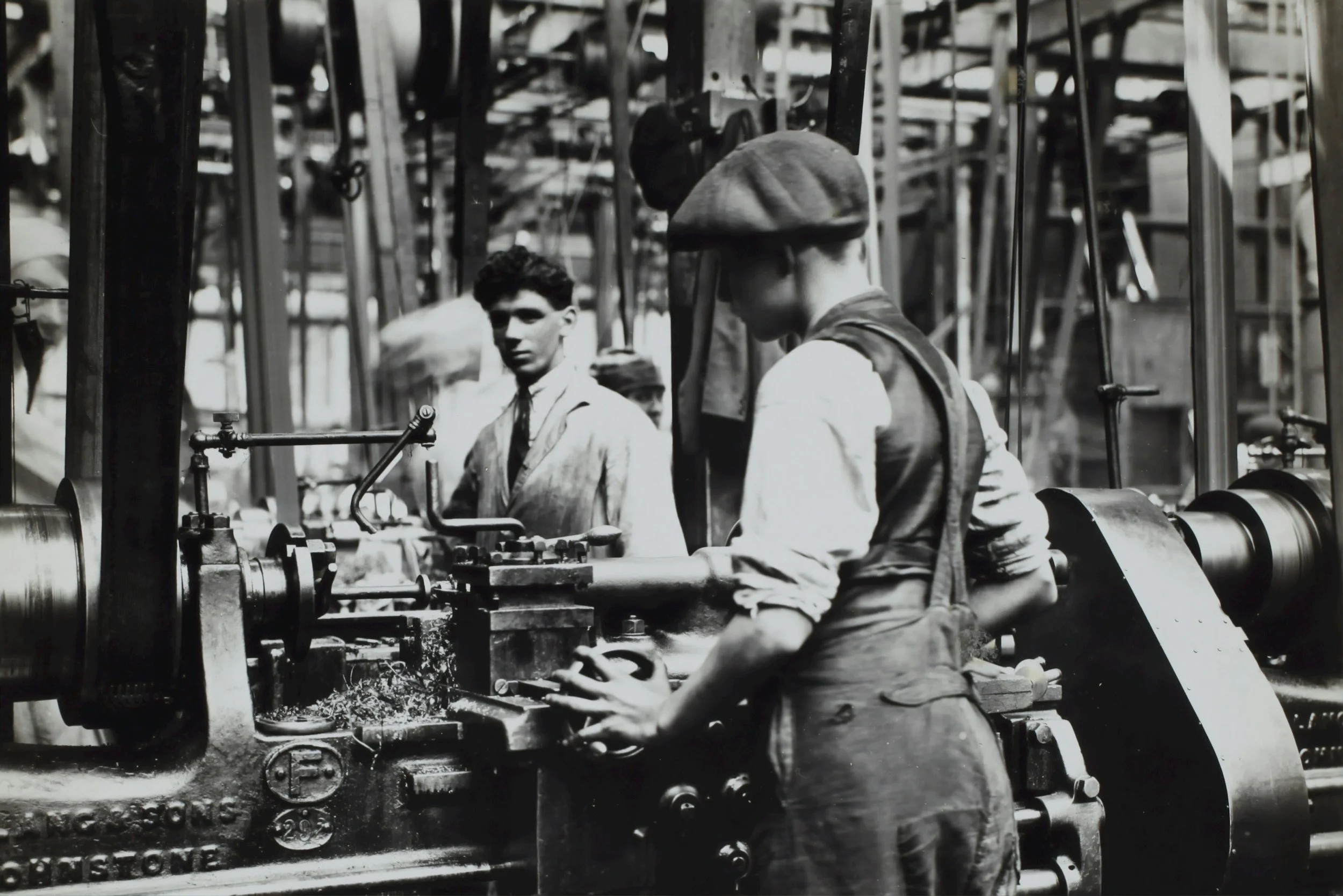
The AI Layoff Trap: Or, How We Learned to Mistake Human Beings for Expenses
Long before artificial intelligence arrived, America had already developed a habit.
We started describing human beings the way accountants describe office furniture.
Workers became labor costs.
Patients became utilization rates.
Students became performance metrics.
Citizens became demographics.
Customers became eyeballs.
Somewhere along the way, the language of management escaped the conference room and began colonizing everything else.
This happens so gradually that nobody notices.
One day you wake up and discover that an entire society has become remarkably skilled at calculating what human beings cost.
Less attention is devoted to calculating what human beings are worth.
Artificial intelligence did not create this habit.
Artificial intelligence merely wandered into a culture that was already halfway there.
That observation sits beneath a recent economic idea known as the AI Layoff Trap.