Wednesday, November 11, 2026.
Brain stacking, doomscrolling, and what we reach for at the end of the day.
At 10:43 p.m., you pick up your phone to set the alarm.
At 11:18, you know the approximate location of a military airfield and the divorce history of a man who has strong opinions about it. You have yet to set the alarm.
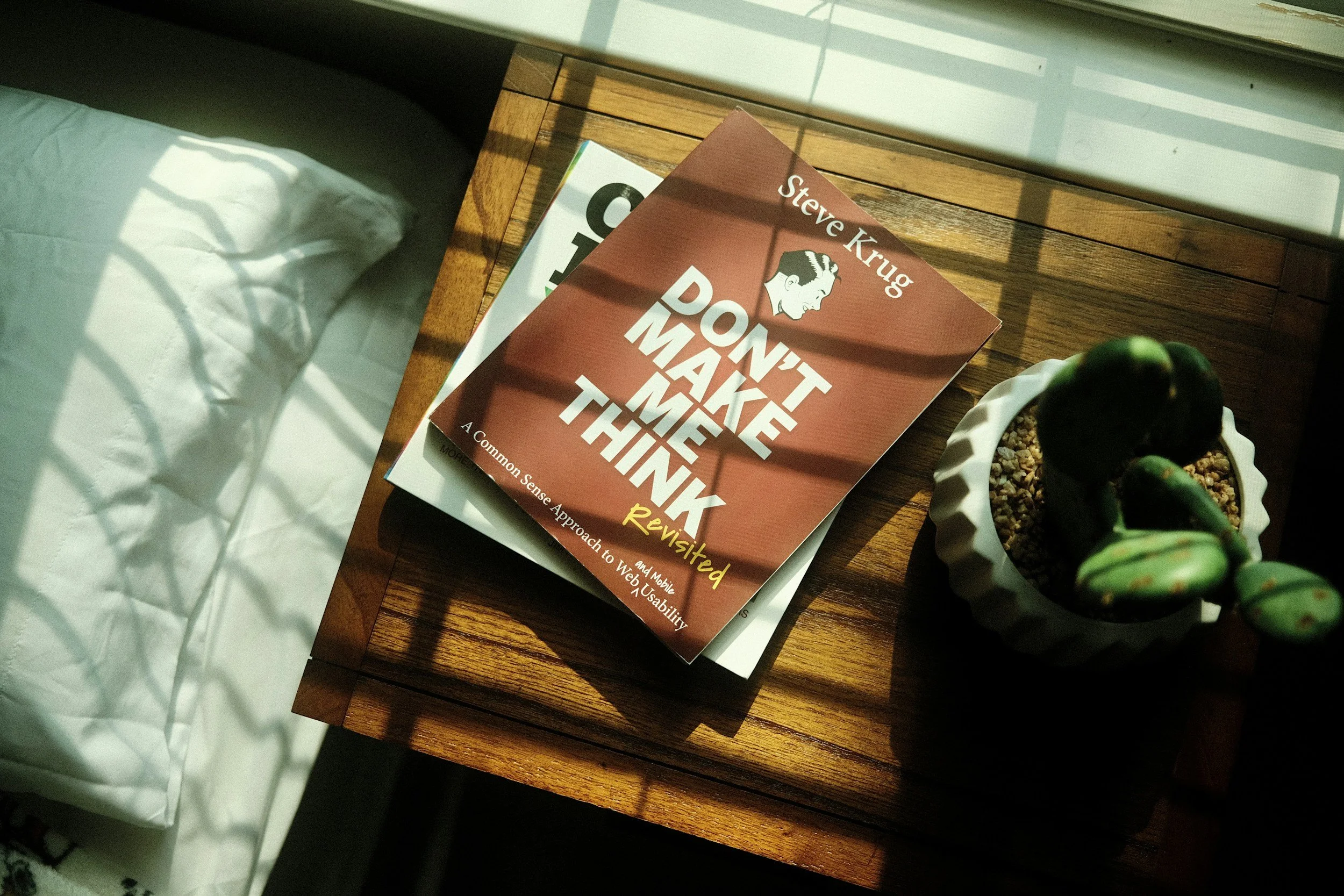
Meanwhile, there is a book on your nightstand. It has been there long enough that you now set things on it.
The book has a publicist now.
On TikTok, the practice of keeping a novel, a crossword, or a journal within reach goes by brain stacking. The stack is literal.
You leave a few things where you’re likely to reach for your phone, then pick whichever one appeals to you.
The internet has rediscovered the nightstand and, with admirable commercial instincts, given it a launch (PhilSTAR Life’s account of the trend).
The trouble with checking one thing
Doomscrolling often begins with a reasonable question.
Has the storm changed course? Did the vote pass? Is the war spreading?
These are things a person might need to know.
Then comes the moment when you have the answer, or all the answer there is for tonight, and you keep going.
In two experiments during the COVID-19 pandemic, Buchanan and colleagues (2021) assigned participants to brief exposure to pandemic-related social media content. People exposed to ordinary COVID-19 news reported less positive emotion immediately afterward than people in a no-exposure control group. In one experiment they also reported less optimism.
Brief exposure to posts about acts of kindness during the pandemic did not show the same pattern. The experiments measured how people felt just afterward, under particular conditions.
They give us a way to think about why a quick check can change the mood you carry into the rest of your evening.
There's a kind of relief in checking, even when the news itself is bad.
For a few seconds you are doing something about the fact that you don't know.
The trouble starts when you expect the next update to settle a question that could take six months to answer.
What the stack changes
Wendy Wood and Dennis Rünger’s (2016) review of habit research describes how repeating a behavior in a familiar setting can make it the response you default to there.
The setting can cue the action even on a night when you had something else in mind. If you routinely open an app when you sit down on the couch, sitting down on the couch can be enough to get you started.
The modest intelligence of the stack is that you make one decision earlier, while you still have an opinion about how you’d like to spend your evening. At bedtime, your choices include something you already wanted to read.
The research helps explain why changing what’s within reach is a reasonable thing to try. How much this particular trend changes people’s habits remains an open question.
There’s a difference, too, in where the activity lets you stop. A crossword may defeat you, but it will eventually run out of squares. The feed has another post ready whether you’re satisfied, alarmed, bored, or already late for bed.
Frequently asked questions
What is brain stacking?
It’s keeping a small selection of offline activities where you tend to scroll. A paperback and a pencil beside a puzzle book will do. You choose one when you feel like reaching for your phone.
How can I tell when reading the news has become doomscrolling?
Ask yourself what you opened the feed to find out and whether the last few posts told you anything new. If you can name the question and you already have the best answer available tonight, that gives you a place to stop.
What if my partner and I both spend the evening scrolling?
Pick a stretch of time you’d both like back. It might be the first ten minutes after dinner or the time you usually spend in bed before sleep. Each of you can choose what you want to do with it. You might both read, or one of you might finally hear why the sister called.
The person at the other end of the couch
Your partner comes in and says, “My sister called.” You say, “What happened?” while finishing a post about a man who thinks the banking system will collapse by Thursday. Your partner says, “I’ll tell you later.”
There may be no fight. The sister’s call just goes unmentioned.
A restaurant field experiment by Dwyer et al. (2018) randomly assigned groups of friends or family to keep their phones on the table or put them away during a meal.
Participants in the phones-on-table condition reported more distraction and less enjoyment of the interaction.
That’s a finding about a meal, and the ordinary scale of it is worth keeping. You can miss enough of a conversation to make it less enjoyable without either of you remembering a moment when it went wrong.
A book can absorb you, too. There’s considerable pleasure in two people reading separately in the same room.
The distinction I care about in a marriage is whether, when one of you says, “My sister called,” the other can put a finger on the page and look up.
I’ve written about what happens when the attention economy enters a marriage, and about the kinds of inconvenience a relationship sometimes asks us to bear. This one takes about as long as marking your place.
Be Well, Stay Kind, and Godspeed.
REFERENCES:
Buchanan, K., Aknin, L. B., Lotun, S., & Sandstrom, G. M. (2021). Brief exposure to social media during the COVID-19 pandemic: Doom-scrolling has negative emotional consequences, but kindness-scrolling does not. PLOS ONE, 16(10), e0257728. https://doi.org/10.1371/journal.pone.0257728
Dwyer, R. J., Kushlev, K., & Dunn, E. W. (2018). Smartphone use undermines enjoyment of face-to-face social interactions. Journal of Experimental Social Psychology, 78, 233–239. https://doi.org/10.1016/j.jesp.2017.10.007
Garzon, H. (2026, November 2). Want to cut down screen time? Here's what to know about the 'brain stacking' TikTok trend. PhilSTAR Life. https://philstarlife.com/geeky/889953-what-is-brain-stacking-tiktok-trend
Wood, W., & Rünger, D. (2016). Psychology of habit. Annual Review of Psychology, 67, 289–314. https://doi.org/10.1146/annurev-psych-122414-033417
If you and your partner keep missing each other even when you’re in the same room, you can explore my couples therapy services or contact me for a free introductory call.