The Aristocracy of Lot 17: When You Can’t Punch Up, You Punch Sideways
Wednesday, September 16, 2026.
Americans like to imagine that class begins somewhere above them.
Class is something involving boarding schools, summer houses, trusts, and the mysterious ability to say“We’re comfortable” while still owning three gourmet kitchens.
But class does not require a yacht.
It barely requires indoor plumbing.
Put twelve human beings anywhere for six months and, like chickens, they will develop a social hierarchy.
There will be an aristocracy, a professional class, a suspicious merchant class, and someone everyone agrees is lowering property values.
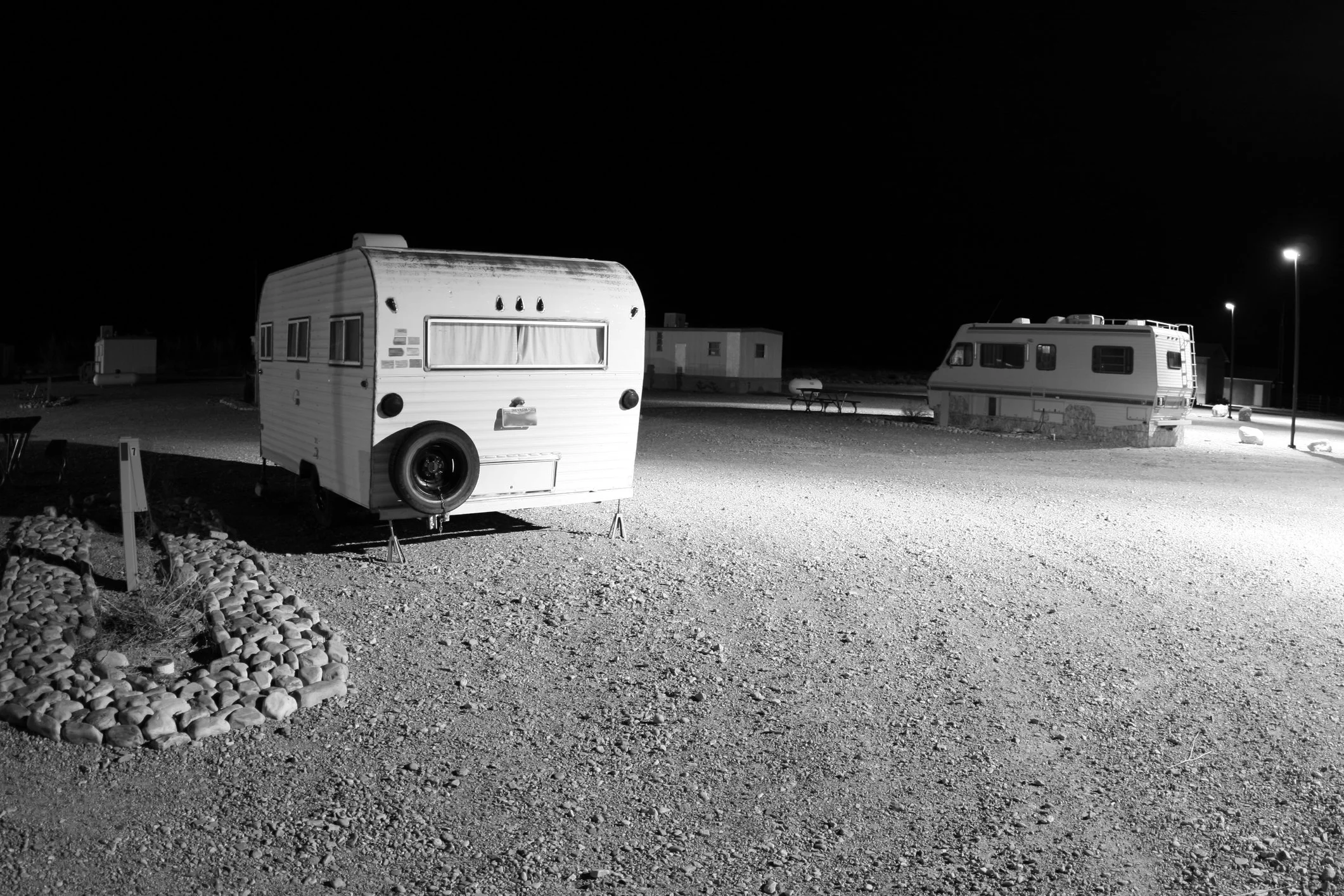
Trailer parks are no exception.
In fact, they may be one of the purest laboratories of American status anxiety.
The distances between social ranks are wonderfully small, which only makes them more fiercely defended.
At the top is the double-wide.
The double-wide is not merely a home. It is a governing philosophy. It says, Yes, technically, this building arrived on wheels. But those wheels have been removed, and we do not discuss them.
The double-wide has shutters. Perhaps a porch.
There may be a ceramic goose near the steps wearing a seasonal outfit. The goose has a better wardrobe than several residents.
The owner refers to the structure as the house.
Other people refer to it as the double-wide.
This distinction is not accidental.
Just below the double-wide class are the people who own their trailer but rent the lot.
These are the landed gentry without land, which is a particularly American arrangement. They have equity, but it is sitting on somebody else’s dirt.
They have invested in skirting.
Skirting is important because it conceals the philosophical embarrassment beneath the home: the fact that the home could, under sufficiently unpleasant circumstances, leave.
Good skirting says permanence. Decorative lattice says aspiration. Missing panels say there has been a winter.
Then there are the renters.
The renters may live in exactly the same model, on exactly the same road, with exactly the same view of the dumpster. But ownership draws a bright moral line.
Owners have “worked for what they have.”
Renters are “going through something.”
Sometimes the owner and renter have identical incomes.
Sometimes the renter has more money. None of this matters.
Class is rarely a spreadsheet. It is a story people tell about why they deserve their position and why the person three doors down deserves his.
Below the renters are the residents whose vehicles introduce uncertainty.
A truck is respectable. Two trucks suggest prosperity or a transmission problem.
A motorcycle can indicate freedom, insolvency, or both.
A car on blocks is not automatically disqualifying, provided the owner appears to be actively repairing it.
The definition of actively is generous.
If the hood was opened during the Obama administration, the project remains technically underway.
But leave a washing machine outside for too long and you have crossed a line.
Every society needs a taboo. In some neighborhoods, it is painting your front door the wrong shade of gray.
Here, it may be an appliance visible from the road.
The appliance does not have to work.
It merely has to be indoors.
The Smaller the Difference, the More Important It Becomes
This is the great secret of class: people are often cruelest not toward those far above or below them, but toward those standing almost beside them.
The resident with the new manufactured home does not spend much time criticizing hedge-fund managers.
Hedge-fund managers are too remote. They occupy another atmosphere, like weather satellites or minor European royalty.
But the woman in Lot 23 who lets her grass get too high?
She is a threat to civilization.
Her lawn can be seen. Her children can be heard. Her recycling decisions are available for inspection.
The billionaire cannot be disciplined through gossip at the mailboxes.
Lot 23 can.
This is what “punching sideways” looks like.
When people have little influence over the forces above them—the landlord, the corporation buying the park, the employer cutting hours, the insurer denying the claim—they turn their attention laterally.
They police one another’s curtains.
They discuss who is “really disabled.”
They distinguish between people who need help and people who are lazy ingrates just “working the system.”
They develop strong opinions about who should be allowed to park near the laundry room.
The machinery of judgment becomes exquisitely precise because the machinery of power remains beyond reach.
It is easier to resent your neighbor’s slightly nicer porch than the financial system that ensures neither of you could survive a serious medical emergency.
I mean, look at it. The porch is right there.
Every Village Has a Versailles
None of this is unique to trailer parks.
Academics do it with titles.
Therapists do it with certifications.
Middle managers do it with access to meetings.
Old-money families distinguish themselves from new money.
New money distinguishes itself from people with salaries. People with salaries distinguish themselves from hourly workers.
Hourly workers distinguish themselves from people receiving benefits.
People receiving benefits distinguish themselves from other people receiving benefits who, in their considered opinion, do not look sufficiently miserable.
Everyone finds a Lot 23.
The upper-middle class simply performs the ritual with better landscaping.
A neighborhood with million-dollar homes may become convulsed over whether someone installed the wrong mailbox. The dispute will be conducted through attorneys, architectural review committees, and emails beginning, “With all due respect.”
This is the same fight as the washing machine on the porch.
It merely has a letterhead.
Human beings can turn almost anything into a hereditary title. The person who arrived first.
The person who owns instead of rents. The person whose divorce was unfortunate rather than predictable. The person whose addiction involved expensive wine. The person whose child attended a better state university.
We do not abandon class distinctions when the distinctions become ridiculous.
We become more attentive to them.
Contempt Is Often Frustration Wearing a Tiny Crown
Punching sideways offers a brief narcotic pleasure.
For one delicious moment, I am not the person being judged. I am the person who understands the standards.
I may not control the rent increase, but I can explain why your Christmas lights should have come down by February.
I may not be secure, but I can identify someone less secure.
I may not have status, but I can appoint myself assistant regional director of respectability.
This is why contempt spreads so efficiently among people who are anxious, precarious, or ignored. It converts helplessness into rank. It gives pain a subordinate.
The person beneath me does not have to be very far beneath me.
Six inches will do.
Unfortunately, punching sideways never alters the ceiling. It simply makes the room meaner.
The landlord still owns the land. The employer still sets the wage.
The medical bill still arrives. But now the neighbors distrust one another, which makes collective action less likely and loneliness more likely.
Power remains undisturbed.
Only your sense of community gets bruised.
Look Up Before You Swing
The point is not that people in trailer parks are especially petty.
The point is that they are people—and people manufacture hierarchy with the same enthusiasm that spiders manufacture webs.
We do it in churches, offices, graduate programs, suburbs, therapy practices, country clubs, recovery groups, and families.
Everywhere, there is a double-wide.
Everywhere, there is a Lot 23.
The useful question is not whether we participate in status games. We do. The useful question is what happens when we feel small, frightened, or powerless.
Do we become curious about the structure above us?
Or do we inspect the neighbor’s skirting?
Sideways contempt is attractive because it is readily available.
The person beside us can be mocked, corrected, excluded, or blamed. The forces above us may require courage, organization, patience, and the possibility of losing.
Your neighbor is a hell of a lot easier.
And that may be the oldest class system of all: powerful people making consequential decisions while everyone below them conducts a passionate investigation into somebody else’s lawn ornaments.
The ceramic goose, meanwhile, has changed into its autumn sweater.
The ruling class remains serene.
Be Well, Stay Kind, and Godspeed.