Workplace Chemicals and Autism: How Parents’ Jobs May Influence Autism Severity
Friday, August 22, 2025.
We’ve long known that autism is shaped by both genetics and environment.
The debate usually circles around diagnosis — what increases the risk that a child will be on the spectrum. But a new study asks a harder question: could a parent’s job affect how severe a child’s autism symptoms are?
Published in the International Journal of Hygiene and Environmental Health, the research suggests that parents’ workplace exposures to chemicals like plastics, phenols, and pharmaceuticals may influence not just whether a child has autism, but how intensely the condition shows up in language, cognition, behavior, and daily living skills.
For families already navigating autism, that’s a game-changer.
Inside the Study: Parental Occupation and Autism Severity
The research team, working as part of the CHARGE study (Childhood Autism Risks from Genetics and Environment), examined 532 children aged 2–5 with confirmed autism spectrum disorder (ASD). Each diagnosis was verified using gold-standard tools — the Autism Diagnostic Observation Schedule (ADOS-2) and the Autism Diagnostic Interview-Revised (ADI-R).
Parents filled out extensive work histories covering the three months before conception through pregnancy. Industrial hygienists then rated likely occupational exposures across 16 chemical categories, including plastics, phenols, pharmaceuticals, solvents, and metals.
The children’s outcomes were measured with:
Cognitive skills (Mullen Scales of Early Learning)
Adaptive functioning (Vineland Adaptive Behavior Scales)
Problem behaviors (Aberrant Behavior Checklist)
Autism symptom severity (Calibrated Severity Score from ADOS-2)
The question: would exposures line up with symptom severity?
They did.
Key Findings: Plastics, Phenols, and Pharmaceuticals
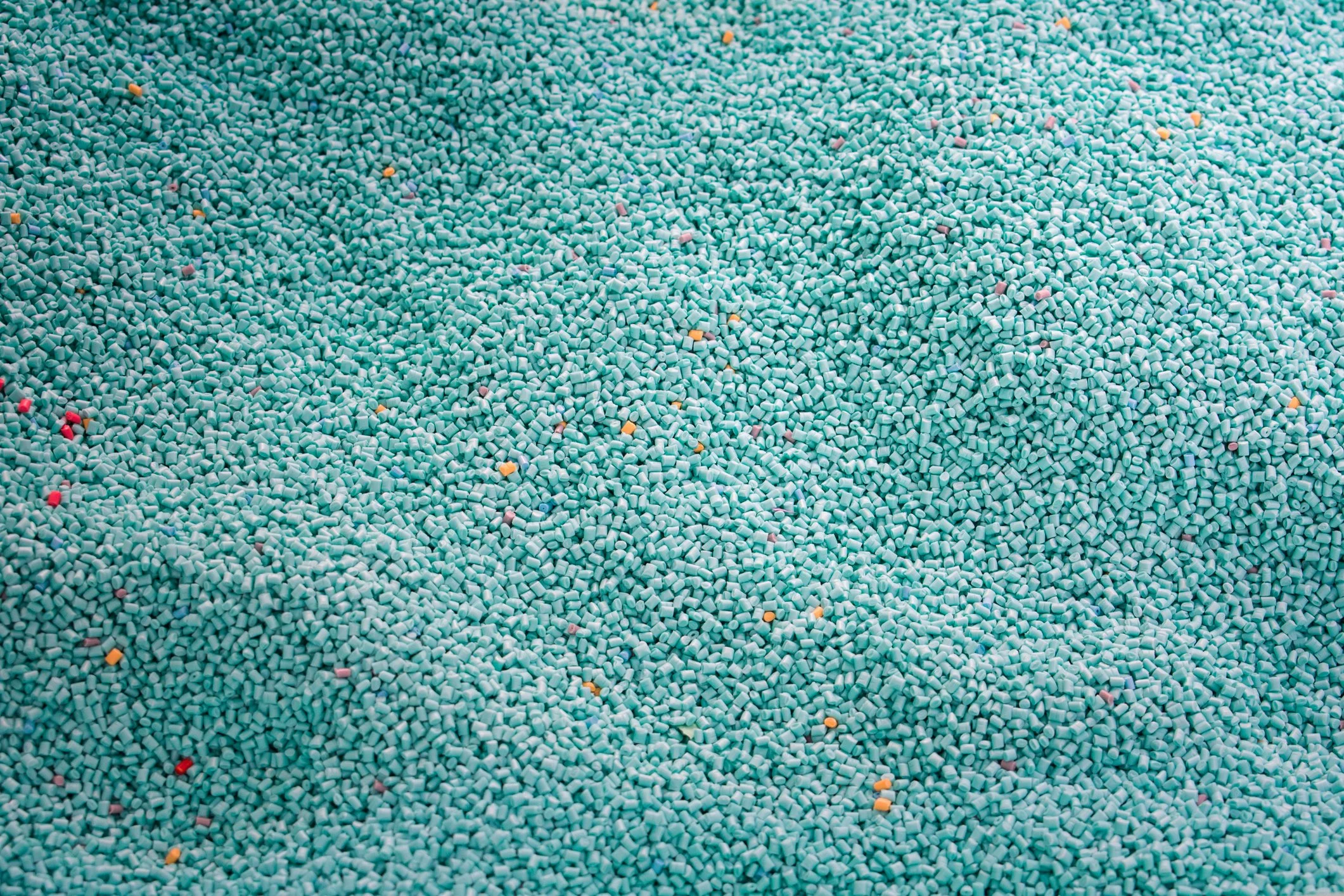
Plastics and polymers stood out. Fathers exposed at work had children with lower language, motor, and daily living skills. When both parents were exposed, deficits compounded.
Ethylene oxide, a sterilizing agent used in hospitals, was linked to more severe autism symptoms and weaker expressive language.
Phenols and pharmaceutical exposures were tied to greater irritability, hyperactivity, and repetitive behaviors.
Lead researcher Erin C. McCanlies summed it up: “Certain parental workplace exposures may be related not just to autism, but to worse symptoms and autism behaviors.”
Do Workplace Chemicals Cause Autism?
Q: Do workplace chemicals cause autism?
A: No. This study does not show that workplace exposures cause autism. Instead, it suggests that exposures to plastics, phenols, and pharmaceuticals may intensify the severity of autism symptoms in children who already meet criteria for ASD.
This distinction matters. The research is about how autism is expressed, not whether it exists.
Why It Matters for Families and Workplaces
Workplace safety has always been about preventing accidents, cancers, and chronic illnesses. This study expands the scope: protecting workers may also mean protecting future children.
As Dr. Irva Hertz-Picciotto of the UC Davis MIND Institute put it:
“Workplace safety isn’t just about protecting the worker — it’s also about protecting their future children.”
Possible mechanisms are biologically plausible:
Many of these chemicals are endocrine disruptors that can alter fetal development.
Some act as immune modulators, changing inflammatory responses in pregnancy.
Micro- and nano-plastics have been shown in animal studies to cross the placenta and disrupt gene expression in the developing brain.
The message: exposures at work don’t necessarily stay at work.
A Researcher’s Journey
For McCanlies, the study was more than data. As an epidemiologist at the CDC’s National Institute for Occupational Safety and Health (NIOSH), she spent her career asking how jobs affect health.
When her division was shut down under Robert F. Kennedy Jr.’s leadership at Health and Human Services, she kept pursuing the question in collaboration with UC Davis.
Her curiosity grew after conversations with her stepson, who worked with autistic children. “Little was understood about the causes of autism,” she recalled. “I wondered whether the same chemicals that harmed workers might also harm their children.”
What Parents Can Do
Parents reading this might feel uneasy — or even guilty. That’s not the point of this research. It’s not about blame; it’s about prevention.
Practical steps include:
Protective gear: If you work with plastics, sterilizing agents, or pharmaceuticals, follow all safety guidelines.
Policy advocacy: Support stronger workplace protections that account for reproductive and generational health.
Informed choices: Discuss occupational exposures with healthcare providers when planning for pregnancy.
What Policymakers Should Consider
For regulators, the study suggests expanding occupational health standards. Protecting workers’ lungs and skin is vital — but so is protecting the developing brains of future children. This may mean rethinking exposure limits for plastics, sterilizers, and pharmaceuticals, or funding safer alternatives.
The Bottom Line
Autism is not caused by a single factor, and no one study can capture its complexity. But this research adds a powerful piece to the puzzle: the severity of autism may be shaped by what parents are exposed to at work.
It’s a reminder that occupational exposures don’t vanish when the shift ends. They may follow workers home, and into the lives of their children.
Workplace safety, it turns out, isn’t just about today’s paycheck. It may be about tomorrow’s possibilities.
Be Well, Stay Kind, and Godspeed.
REFERENCES:
Hertz-Picciotto, I., & McCanlies, E. C. (2024). The effects of parental occupational exposures on autism spectrum disorder severity and skills in cognitive and adaptive domains in children with autism spectrum disorder. International Journal of Hygiene and Environmental Health, 258, 114142. https://doi.org/10.1016/j.ijheh.2024.114142
Pendergrass, J. C., Kuntz, B. S., & Hertz-Picciotto, I. (2019). Endocrine disrupting chemicals and neurodevelopmental outcomes: a review of epidemiological evidence. Current Epidemiology Reports, 6(3), 293–307. https://doi.org/10.1007/s40471-019-00209-y
Tran, N. Q., & Miyake, K. (2022). Prenatal exposure to environmental chemicals and autism spectrum disorder: A review of epidemiological and experimental evidence. Neurotoxicology, 90, 20–33. https://doi.org/10.1016/j.neuro.2022.02.007
Xu, Y., Li, J., & Wu, S. (2021). Microplastics and human health: Potential exposure pathways and toxicological effects. Environmental Pollution, 285, 117238. https://doi.org/10.1016/j.envpol.2021.117238