Saturday, August 23, 2025. This concludes this series written in honor of my son, Daniel Gordon Hamilton (1973-2025), who thrived on these ideas.
Itzhak Bentov thought the heart and brain were tuning forks for the cosmos. Nikola Tesla insisted everything could be explained through vibration. John C. Lilly floated in darkness until he was convinced the universe was being run by “cosmic programmers.”
Edgar Cayce shut his eyes, went into a trance, and spoke about health and Atlantis in the same sitting. Jacques Vallée looked at UFOs and decided they were less about aliens and more about the human imagination.
Put them all together and you don’t really get a coherent school of thought, do you?
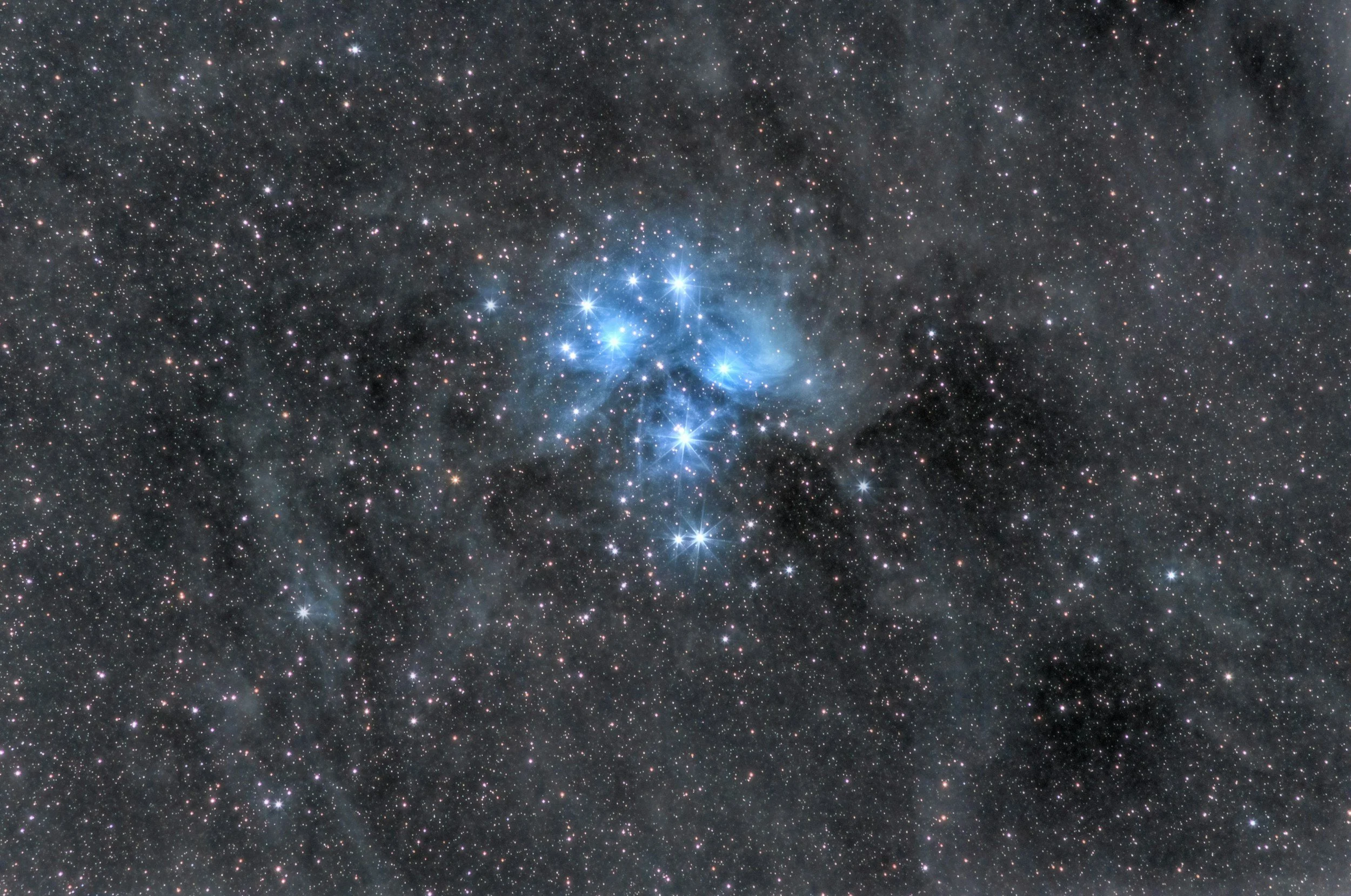
You get a strange constellation of characters — brilliant, reckless, often misunderstood, but unwilling to accept the idea that consciousness was nothing more than neurons firing in the dark.
Oddballs, Necessary and Otherwise
None of them made it easy to cheer or condemn.
Bentov’s physics of the soul was charming and unprovable. Tesla veered between genius and obsession. Lilly’s tanks were breakthroughs, but his dolphin escapades and psychedelic binges left a trail of questions. Cayce lived modestly but sometimes drifted so far into myth you had to squint to find the wisdom. Vallée managed to irritate believers and skeptics in equal measure by refusing to tell them what they wanted to hear.
The flaws matter. But so does the audacity.
These were men willing to be laughed at in order to ask bigger questions. They weren’t afraid of being wrong, only of ignoring what didn’t fit.
What They Shared
Beneath the eccentricities, there’s a common thread:
Consciousness is not a private box in the skull. It’s relational, porous, maybe even universal.
Symbols matter. Dreams, visions, lights in the sky — all worth listening to.
Resonance heals. Connection isn’t just a metaphor; it has rhythm, frequency, pulse.
Silence transforms. When the noise drops away, the psyche reorders itself.
Imagination belongs in healing. Belief, story, myth — these aren’t distractions, they’re part of how we get well.
Science may phrase it differently — co-regulation, neuroplasticity — but the echo is clear.
Mystery as Medicine
What lingers after spending time with these figures is not the correctness of their theories. It’s their willingness to leave generous room for the unknown.
Modern culture often rushes to tidy everything into an explanation. They resisted that. They treated mystery itself as something valuable — unsettling, yes, but ultimately necessary.
And that’s where they brush against therapy.
A good therapist doesn’t pretend to have the master key. Instead, they kinda sit with the contradictions, the stories that don’t add up, the dreams that don’t make sense. They help people make meaning without strangling mystery in its crib.
Closing the Circle
So what do Bentov, Tesla, Lilly, Cayce, and Vallée leave us with?
Not doctrines. Not proofs. Just a reminder that consciousness is too large to be fully domesticated. That resonance, silence, imagination, and mystery all matter more than we like to admit, or can really surmise.
Their lives read like cautionary tales and half-mad parables. But buried in each one is a fragment of truth: the mind is bigger than the self, and healing often begins when we stop demanding neat answers and bestow attention.
Maybe that’s their real legacy. They didn’t map consciousness. They gave us the courage to live near its wilder edges — and to notice that sometimes, in the mess of it all, healing happens.
Be Well, Stay Kind, and Godspeed.