Clarity in the Rain on Crown Street: A Sydney Private Investigator’s Infidelity Case
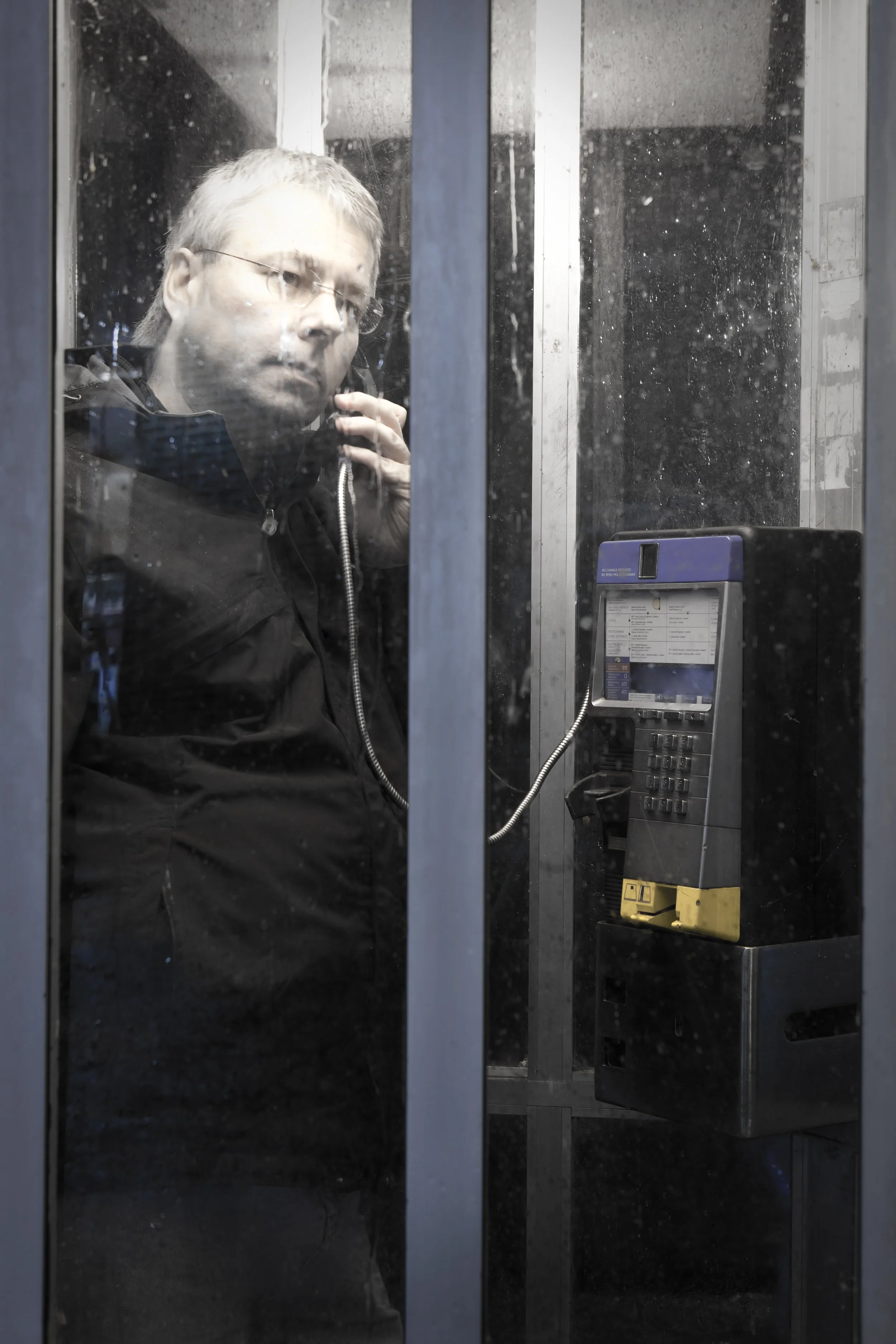
Friday, February 27, 2026.
The rain had been falling over Sydney since mid-afternoon, the harbor turning the color of brushed steel and the pavements reflecting the city in long wavering streaks.
People believed rain concealed them.
It did not.
Across from a terrace house in Surry Hills, a dark sedan had been parked for nearly an hour. It looked like any other car waiting out the weather beneath the jacaranda trees.
Inside sat a licensed private investigator.
The work required discretion, and discretion had become his habit.
Two nights earlier a client had met him in a café near Darling Harbour. Ferries moved slowly across the water behind her as she spoke.
People discussing infidelity often speak as if they are describing weather.
Something has changed. Something is coming. Something is already here.
“I just want clarity,” she said.
The investigator had heard the word many times.
Clarity was rarely the real objective.
At 7:42 the terrace door opened.
The subject stepped outside holding an umbrella. He crossed to his car and pulled into traffic, heading toward the city.
The private investigator from Sydney waited a moment before following.
Sydney traffic provided its own camouflage—buses hissing at intersections, brake lights glowing through rain, taxis sliding through the narrow streets like patient insects.
The subject drove toward Crown Street in Surry Hills and parked outside a restaurant.
Public venue.
No expectation of privacy.
Inside, the restaurant hummed with conversation and the soft clatter of plates. The investigator ordered coffee and selected a seat with a clear view of the back corner.
The subject arrived first.
A woman joined him shortly afterward.
She sat easily across from him, leaning forward as she spoke. They laughed. At one point her hand rested briefly on his wrist.
The camera moved slightly.
One photograph.
Then several more.
Clear images. Identifiable faces. The quiet mechanical language of evidence.
Evidence never looks dramatic while it is being gathered. Only later.
After dinner the two stepped outside into the rain and walked south toward Central Station.
The investigator followed at a careful distance.
They entered a small hotel.
The Sydney private investigator recorded the time.
At 10:14 the subject emerged again.
Alone.
He stood beneath the awning and placed a call.
The investigator photographed this as well.
The words carried faintly across the rain.
“I told you,” the subject said.
“It’s finished. I’m coming home.”
The private investigator from Sydney wrote the statement in the notebook.
Everything observed is recorded.
That is the rule.
The next morning the client returned to the office.
The report rested on the desk—times, locations, photographs arranged in careful order.
The client opened the folder.
There are moments when suspicion finally meets confirmation. These moments are rarely loud.
They resemble recognition.
The client studied the final page for a long time. It contained the last photograph and the line of transcription written beneath it.
Then the folder closed.
Outside, the rain had cleared from Sydney. Sunlight spread across the harbor beyond the bridge.
The investigator placed the file into the completed drawer.
In Sydney, he had learned, clarity always arrived in the same way.
Quietly.
And in writing.
Be Well, Stay Kind, and Godspeed.