Tuesday, October 7, 2025.
There’s a new star in the family travel universe, and no, it’s not your color-coded itinerary or the Pinterest board titled “Dream Vacation 2026.”
It’s Grandma. Or Grandpa. Or both.
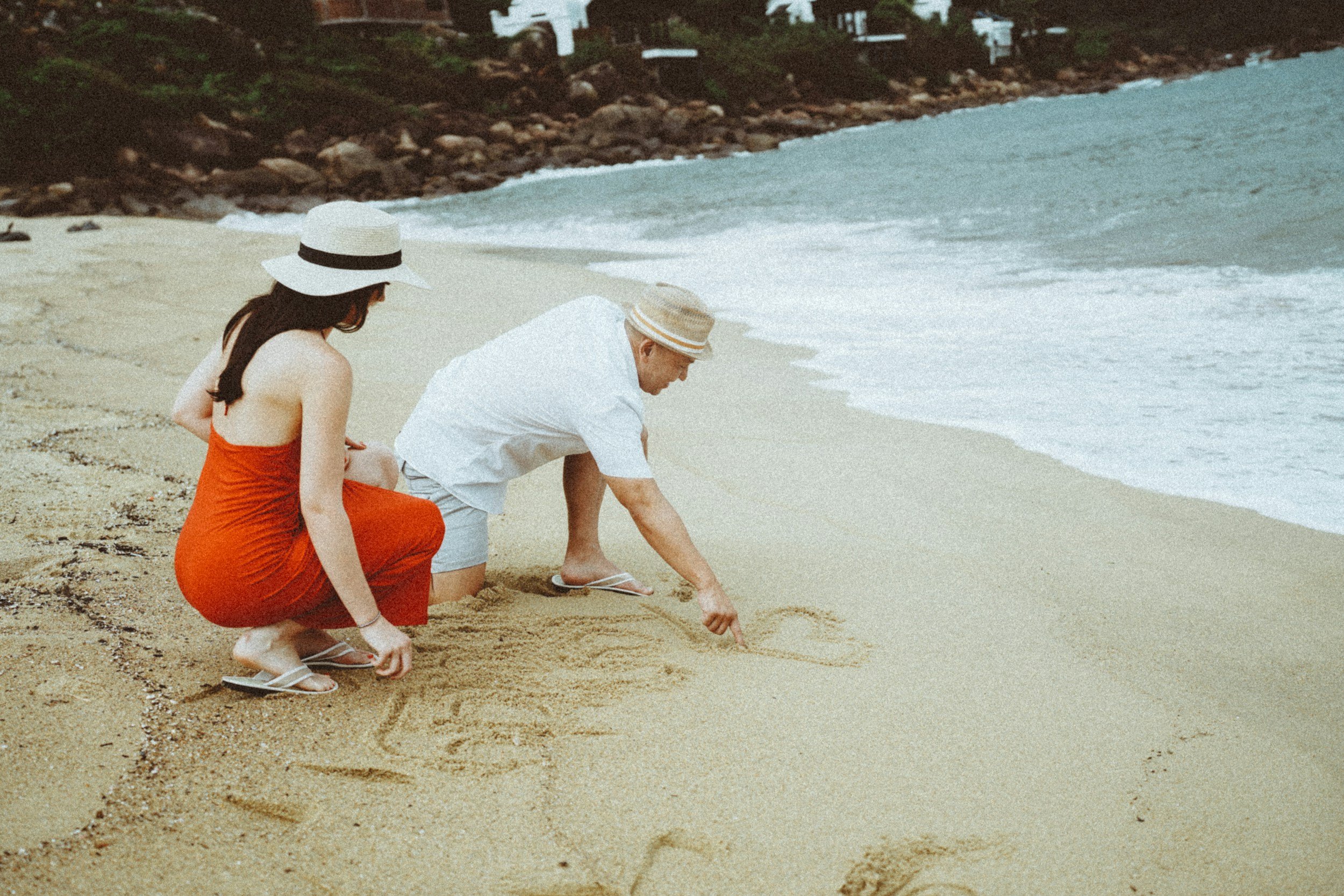
The Wall Street Journal recently spotlighted the rise of skip-gen vacations — also called skip-generation travel — where grandparents whisk grandchildren away while parents stay home.
Yes, you heard that right: family travel without the parents.
Why Skip-Gen Travel Is Taking Off
The trend isn’t random. After COVID, families got a sharp reminder that time together is finite.
Children’s school breaks are numbered, and those precious windows of leisure shrink faster than a cheap T-shirt in hot water.
As luxury travel adviser McLean Robbins told the WSJ, “People realize that you only have a few spring and summer breaks with the grandkids.”
And let’s be honest: a vacation with grandparents beats another envelope of cash.
Skip-gen trips are framed as experiential gifts — a growing phenomenon where shared experiences are valued more than material objects. Research shows that experiential gifts strengthen relationships by deepening shared meaning (Mao & Lyu, 2017). In other words, Nana buying you gelato in Rome beats Nana wiring you fifty bucks for your birthday.
Parents: Surprisingly Fine With It
Here’s the twist: parents are often thrilled.
Imagine dodging the chaos of sunscreen fights, snack negotiations, and hotel Wi-Fi meltdowns. For many overworked parents, letting their own parents take the kids is both a gift and a respite. It buys peace, quiet, and maybe even a dinner where no one asks if chicken nuggets count as protein.
The Messy Reality (I Won’t Sugarcoat This)
Skip-gen vacations aren’t all postcard smiles. Let’s review the fine print:
Energy Mismatches: Kids want roller coasters and midnight swims. Grandparents may prefer guided tours and naps.
Logistical Headaches: Imagine Grandpa managing a 9-year-old’s meltdown in a TSA line while also juggling his knee brace.
Competing Priorities: Teens want TikTokable adventures; grandparents might want cultural deep dives.
Health and stamina: Long hikes, time zone jumps, or overstuffed schedules can burn out both generations.
Travel experts recommend easing the load with skip-gen cruises, all-inclusive resorts, or itineraries that alternate between high-energy adventures and downtime (Stone & Petrick, 2013).
Other Reasons This Trend Makes Sense
While COVID and experiential gifting get the headlines, there are deeper shifts at play:
Changing roles of Grandparents. Research shows that grandparents today are more active, healthier, and financially stable than previous generations (Silverstein & Giarrusso, 2010). They’re not just rocking chairs and Werther’s Originals anymore; they’re hiking boots and carry-ons.
Multigenerational Living is Up. With more families sharing homes across three generations, grandparents are already deeply enmeshed in caregiving roles (Cherlin & Seltzer, 2014). Skip-gen travel feels like a natural extension: the same care, but with better scenery.
Bonding without the Buffer. Studies highlight that direct grandparental support boosts children’s emotional well-being (Attar-Schwartz & Khoury-Kassabri, 2015). And that bond often feels freer without parents in the mix.
Parental Burnout. Let’s not underestimate it. After years of “always on” parenting culture, many moms and dads are desperate for a breather. Skip-gen trips are a socially acceptable way to outsource childcare without guilt.
Travel as Identity. For many families, multigenerational travel is a badge of cultural capital. A skip-gen vacation to Machu Picchu or a grandparents-and-grandkids trip to Disney isn’t just a holiday — it’s a family story about who you are.
How to Make Skip-Gen Vacations Work
Some survival wisdom if you’re plotting one of these trips:
Pick stress-free formats like cruises or resorts with built-in childcare options.
Alternate fast and slow days to avoid burnout.
Give kids a say — even if it means detouring for an arcade or water park.
Test drive first with a weekend trip before launching a two-week European odyssey.
Communicate upfront about pace, money, and who’s in charge when the gelato bill arrives.
Skip-Gen Vacations: Frequently Asked Questions
1. What does “skip-gen travel” mean?
Skip-gen travel (short for “skip-generation vacations”) is when grandparents travel with their grandchildren without the parents tagging along. Think of it as a family sandwich with the middle layer left at home.
2. Why are skip-gen vacations becoming so popular?
Several reasons:
Limited Time — grandparents want to make memories while grandkids are still young.
Experiential Gifts — travel is more meaningful than toys or cash (Mao & Lyu, 2017).
Parental Burnout — parents need a break and are secretly thrilled to get one.
Stronger Bonds — kids and grandparents connect differently without parents in the mix (Attar-Schwartz & Khoury-Kassabri, 2015).
Healthier, Wealthier Grandparents — today’s older generation often has the means and energy to travel (Silverstein & Giarrusso, 2010).
3. What ages are best for skip-gen vacations?
The “sweet spot” tends to be ages 7–15.
Old enough to travel without daily parental supervision, young enough to still think grandma’s stories are fascinating. Teenagers can go too, but be prepared to negotiate over Wi-Fi and late-night schedules.
4. Are skip-gen vacations safe?
Yes—with preparation. The key is matching the trip to both generations’ abilities. Cruises, resorts, and destinations with easy logistics work best. Parents should also ensure medical info, consent forms, and emergency contacts are in place.
5. Where are the best destinations for skip-gen trips?
Cruises: Built-in meals, entertainment, and medical staff.
All-inclusive resorts: No fuss, lots of activities.
National parks: Nature, slower pace, and bonding opportunities.
Cultural cities: Think Rome, Paris, or D.C.—educational and memorable.
Theme parks: For thrill-seeking grandkids (with plenty of benches for grandparents).
6. How do skip-gen vacations help families?
Skip-gen trips strengthen multigenerational bonds, give parents a break, and let kids create memories that last into adulthood. Research shows travel itself has educational and developmental benefits (Stone & Petrick, 2013).
7. What are the main challenges of skip-gen travel?
Energy mismatch (kids: “Let’s go zip-lining!” / Grandpa: “Let’s sit down, first.”)
Logistics (luggage, airports, meltdowns).
Differing interests (TikTok versus temples).
Health considerations (stamina, medical needs).
These can be managed with planning, pacing, and realistic expectations.
Final Word
Skip-gen travel is one of those rare trends that feels like a win for everyone. Kids get adventures (and extra dessert privileges).
Grandparents get meaningful time (and maybe the thrill of zip-lining past people who assume they’re too old for it).
Parents get peace, quiet, and a chance to remember who they are when nobody is tugging on their sleeve.
Done poorly, it’s an intergenerational stress test.
Done right, it’s family magic — proof that memories don’t require the whole nuclear crew, just a grandparent with stamina, a grandkid with curiosity, and maybe a suitcase with wheels that actually roll.
Be Well, Stay Kind, and Godspeed.
REFERENCES:
Attar-Schwartz, S., & Khoury-Kassabri, M. (2015). Indirect and direct effects of social support from parents, grandparents, and peers on adolescents’ socioemotional well-being: The mediating role of self-efficacy. Journal of Family Issues, 36(7), 881–902. https://doi.org/10.1177/0192513X13499359
Cherlin, A. J., & Seltzer, J. A. (2014). Family complexity, the family safety net, and public policy. The ANNALS of the American Academy of Political and Social Science, 654(1), 231–239. https://doi.org/10.1177/0002716214530854
Mao, H., & Lyu, J. (2017). Why travelers purchase experiential products for others: The role of experiential gifts in enhancing relationships. Journal of Travel Research, 56(8), 1017–1030. https://doi.org/10.1177/0047287516675067
Silverstein, M., & Giarrusso, R. (2010). Aging and family life: A decade review. Journal of Marriage and Family, 72(5), 1039–1058. https://doi.org/10.1111/j.1741-3737.2010.00749.x
Stone, M. J., & Petrick, J. F. (2013). The educational benefits of travel experiences: A literature review. Journal of Travel Research, 52(6), 731–744. https://doi.org/10.1177/0047287513496476