Selective Opacity: The Right to Remain Partially Unknown
Sunday, January 11, 2026.
Something subtle is happening online.
Not louder. Not stranger. Quieter.
It began, improbably, with a refusal to explain.
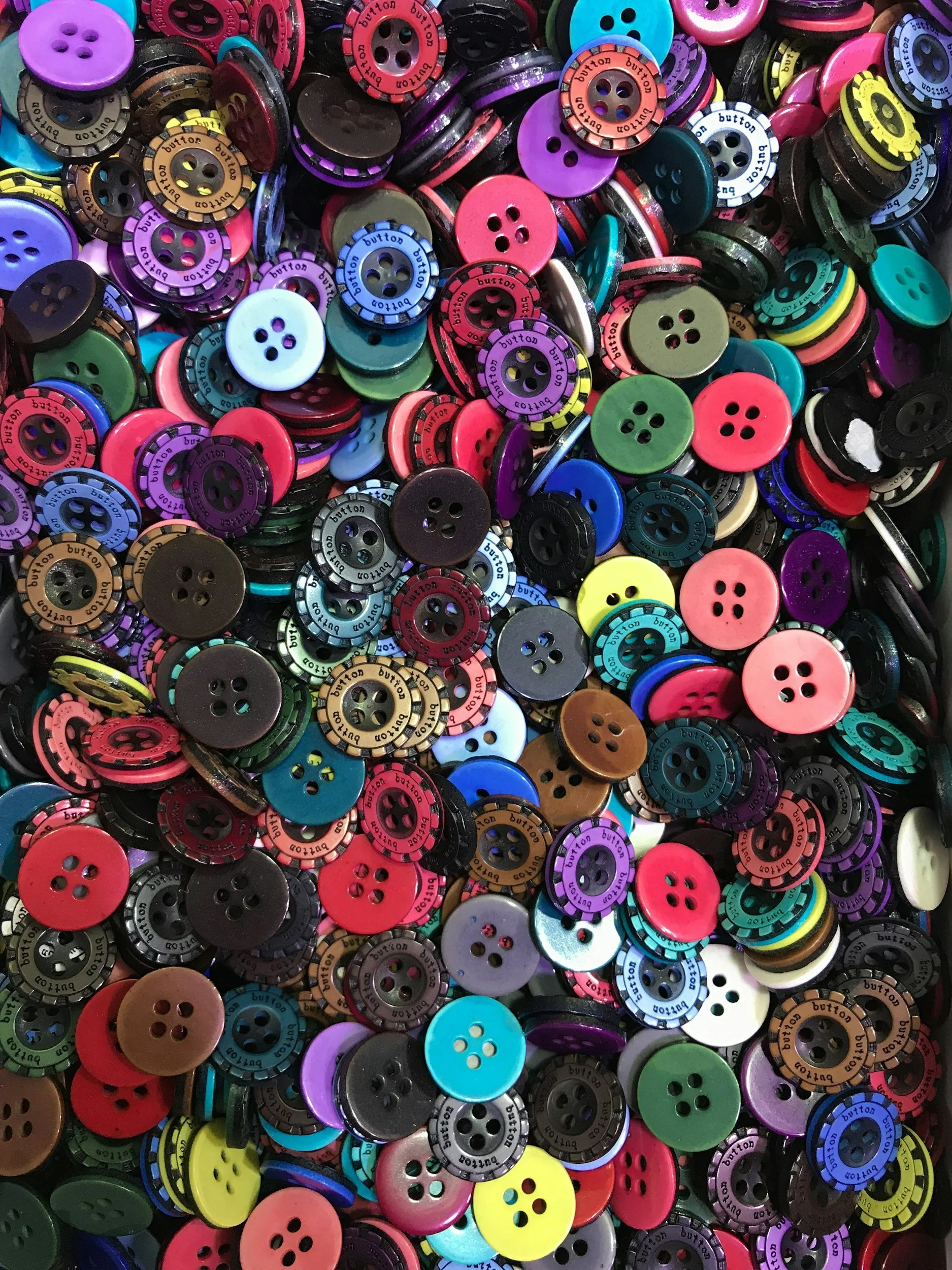
On TikTok, a user announced they carry 365 buttons—one for each day of the year—and declined to say what that meant.
No metaphor. No emotional arc. No clarification in the comments. Just the statement and the boundary.
What spread wasn’t confusion.
It was relief.
People didn’t want the explanation. They wanted the permission.
What Selective Opacity Is
Selective opacity is the intentional choice to remain partially uninterpretable—to decide which parts of your inner life, motives, and meaning are not available for public consumption, clarification, or optimization.
It is not secrecy.
It is not deception.
It is boundary-setting around meaning itself.
That distinction matters, because we’ve spent a decade flattening it.
Why This Feels New
For years, authenticity was defined as legibility. You were expected to explain your preferences, narrate your growth, contextualize your wounds, and render your interior life searchable. If you didn’t, the silence was treated as suspect.
Selective opacity quietly rejects that contract.
It says: meaning can exist without being distributed.
The 365 Buttons meme didn’t succeed because it was clever. It succeeded because it withheld. And withholding, it turns out, is deeply calming in a culture built on over-translation.
From 365 Buttons to “No Context”
Since then, a related meme current has taken shape.
Across platforms, people are posting choices, routines, and aesthetics with captions designed to block interpretation rather than invite it:
“Not a metaphor.”
“No context.”
“I’m not explaining this.”
“This is just how it is.”
These posts aren’t chaotic. They’re composed. The humor is dry. The satisfaction comes from watching an explanation not arrive.
This isn’t nonsense culture.
It’s Untranslated Life.
What Selective Opacity Is Not
To be clear, selective opacity is not:
stonewalling.
emotional withholding.
manipulation.
passive aggression.
secrecy used to maintain power.
Those behaviors restrict information to control others.
Selective opacity restricts information to preserve the self.
Same behavior on the surface. Entirely different intention underneath.
The Psychological Engine
Constant explanation is arousing.
It activates evaluation, judgment, misinterpretation, and algorithmic amplification. When every choice becomes content, the nervous system stays alert. You are always narrating. Always correcting. Always anticipating response.
Selective opacity functions as a regulation strategy.
It reduces:
social monitoring.
performative coherence.
identity fatigue.
And restores something that’s been quietly eroded: internal authorship.
In plain terms, you don’t have to translate yourself in order to be real.
Why It Feels Like Relief
The appeal of these memes isn’t rebellion. It’s containment.
Selective opacity gives permission to:
enjoy something without defending it.
keep a practice without justifying it.
hold meaning without distributing it.
exist without clarifying your arc.
That’s why the tone is calm rather than provocative. The joke isn’t defiance. It’s absence.
Not everything unexplained is evasive.
Some things are simply not public property.
The Cultural Shift
This marks a move from performative vulnerability to contained authenticity.
Earlier internet culture taught:
If you’re not sharing, you’re hiding.
Selective opacity replies:
Some things are shared by living them, not explaining them.
This isn’t withdrawal. It’s a correction.
Why This Matters for Relationships
Selective opacity doesn’t weaken intimacy.
It protects it.
Healthy intimacy depends on:
consent around disclosure.
pacing.
containment.
respect for interiority.
When everything must be explained, intimacy collapses into surveillance. Partners become interpreters instead of witnesses.
Selective opacity restores:
mystery without threat.
privacy without distance.
autonomy without rupture.
You can say, “This matters to me,”
without producing a slide deck.
That’s not avoidance.
That’s adulthood.
Is selective opacity the same as secrecy?
No. Secrecy hides information to avoid accountability. Selective opacity preserves privacy while remaining fundamentally honest. It is about choosing not to explain, not about deceiving.
FAQ
Is selective opacity a form of emotional avoidance?
It can be misused that way, but it is not inherently avoidant. Avoidance evades engagement altogether. Selective opacity allows engagement without full exposure, especially when explanation would be premature, unsafe, or performative.
Do I owe other people full transparency about my feelings or motives?
No. You owe others basic honesty and ethical behavior—not unrestricted access to your inner life. Full transparency is a cultural expectation, not a psychological requirement.
Can selective opacity coexist with intimacy?
Yes. Many forms of intimacy depend on the freedom to remain partially uninterpretable. Relationships often deepen when explanation is chosen deliberately rather than demanded reflexively.
Final thoughts
Selective opacity is the right to remain partially unknown without being morally suspect.
That’s why 365 Buttons didn’t burn out.
It didn’t need to explain itself.
Neither do you.
Be Well, Stay Kind, and Godspeed.