New Psychology Research Flips the Script on Happiness and Self-Control
Wednesday, December 177, 2025.
For decades, self-control has enjoyed an unearned moral glow. Discipline was good.
Willpower was virtuous.
Happiness, we were told, would arrive later—after the restraint, the productivity, the personal improvement montage.
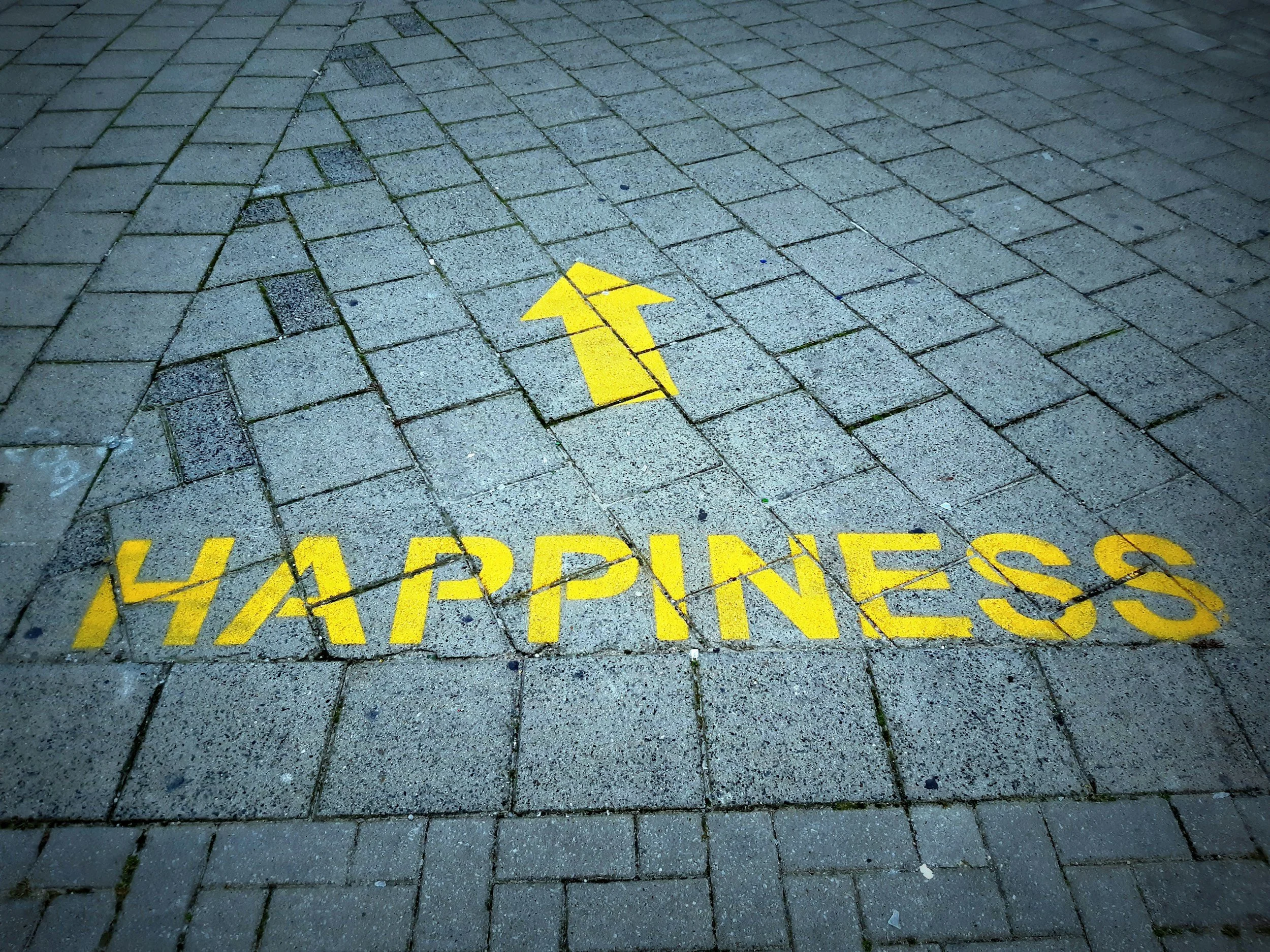
New psychology research suggests we may have had the order exactly backward.
A recent study published in Social Psychological and Personality Science challenges a foundational assumption in both psychology and popular culture: that self-control leads to happiness.
Instead, the evidence suggests the reverse.
Psychological well-being appears to come first, functioning as a precursor to self-control rather than a reward for it.
If this finding holds—and the data are unusually strong—it means much of modern self-improvement advice is not just ineffective. It’s misordered.
The Story Psychology Has Been Telling Us
Psychology has long treated self-control as a cornerstone of a successful life. Resist short-term temptation, pursue long-term goals, and well-being will follow. This logic shaped parenting advice, workplace culture, and the modern obsession with grit.
The problem is that the scientific support for this causal sequence has always been thinner than the confidence with which it’s been asserted.
Much of the evidence relied on correlational data, showing that people high in self-control also tend to report greater life satisfaction. What those studies could not establish was direction: does discipline produce happiness, or are happier people simply better at regulating themselves?
This distinction matters. Correlation flatters common sense. Causation is less cooperative.
What This Study Did Differently
The new research set out to answer the neglected question directly: which actually comes first—self-control or well-being?
Across two large longitudinal studies—one following working adults over a year, the other tracking month-to-month changes in over 1,200 U.S. workers—the researchers used a three-wave design and a more rigorous statistical approach than is typical in this literature. This allowed them to examine within-person change rather than relying on between-person differences.
In other words, they asked whether feeling better than usual predicted later self-control—and whether being more disciplined than usual predicted later well-being.
It’s the kind of methodological upgrade that tends to ruin tidy stories.
The Key Finding: Feeling Well Comes First
Across both studies, the results were strikingly consistent.
Higher self-control at one time point did not reliably predict improvements in well-being later. Simply being more disciplined didn’t make people happier down the line.
But higher psychological well-being did predict greater self-control at the next measurement.
People who felt happier, more energetic, and more optimistic became better at resisting impulses, initiating effort, and sticking with difficult tasks.
In plain terms: feeling well helped people function well.
Trying to function well did not reliably make people feel better.
That pattern replicated across cultures, timeframes, and analytic approaches—a rarity in psychological research, and usually a sign you should pay attention.
Why Happiness Might Make Discipline Easier
The explanation is less mystical than it sounds.
Positive emotional states broaden attention, increase cognitive flexibility, and build psychological resources over time—a process long described by Barbara Fredrickson’s broaden-and-build theory. When people feel good, they have more mental bandwidth. Self-control requires less brute force.
When people feel depleted, stressed, or emotionally flat, discipline becomes brittle. You can white-knuckle it for a while, but the system doesn’t sustain itself.
Or, put more bluntly: willpower doesn’t like running on fumes.
Bukowski was right. Why “Just Try Harder” So Often Backfires
This research helps explain why so much self-improvement advice feels both punishing and ineffective.
Telling people to exert more willpower assumes self-control is independent of emotional state. The data suggest the opposite. When well-being is low, discipline becomes harder, not easier.
This creates a familiar loop:
low mood reduces self-control
reduced self-control invites self-criticism
self-criticism further erodes mood
At no point does “try harder” interrupt the cycle.
What the Findings Do Not Say
The researchers are careful about overreach.
The study does not claim that self-control is irrelevant to happiness. Stable, trait-level self-control may still be associated with higher overall life satisfaction across individuals.
What the findings challenge is a narrower, very popular belief: that increasing discipline in the short term reliably produces increases in well-being.
The evidence does not support that causal direction.
A More Humane Way to Think About Self-Improvement
The practical implication is also the least dramatic.
If the goal is better follow-through, healthier habits, or more consistency, the evidence suggests starting with well-being—not as a reward, but as infrastructure.
Sleep, emotional support, manageable stress, and moments of genuine enjoyment are not indulgences. They are inputs.
Self-control, it turns out, is less like a moral virtue you summon and more like a system that works best when it’s resourced.
Final Thoughts
The cultural romance with grit has always carried a moral undertone: if you’re struggling, you’re not disciplined enough.
This research offers a quieter explanation.
Self-control doesn’t fail because Americans are weak.
It falters because they are so incredibly depleted.
Happiness isn’t the prize at the end of discipline.
It’s the condition that makes discipline possible.
That’s not indulgent.
It’s just neurologically efficient.
Be Well, Stay Kind, and Godspeed.
REFERENCES:
Fredrickson, B. L. (2001). The role of positive emotions in positive psychology: The broaden-and-build theory of positive emotions. American Psychologist, 56(3), 218–226. https://doi.org/10.1037/0003-066X.56.3.218
Jia, L., Khoo, S. S., Ismail, I., Li, Y., Xing, L., & Pek, J. (2024). Feeling well, functioning well: How psychological well-being predicts later self-control, but not the other way around. Social Psychological and Personality Science. Advance online publication. https://doi.org/10.1177/194855062412XXXX
Tangney, J. P., Baumeister, R. F., & Boone, A. L. (2004). High self-control predicts good adjustment, less pathology, better grades, and interpersonal success. Journal of Personality, 72(2), 271–324. https://doi.org/10.1111/j.0022-3506.2004.00263.x