Is Your Vibrator Spying on You? Data Privacy, Sex Tech, and the Modern Intimacy Trap
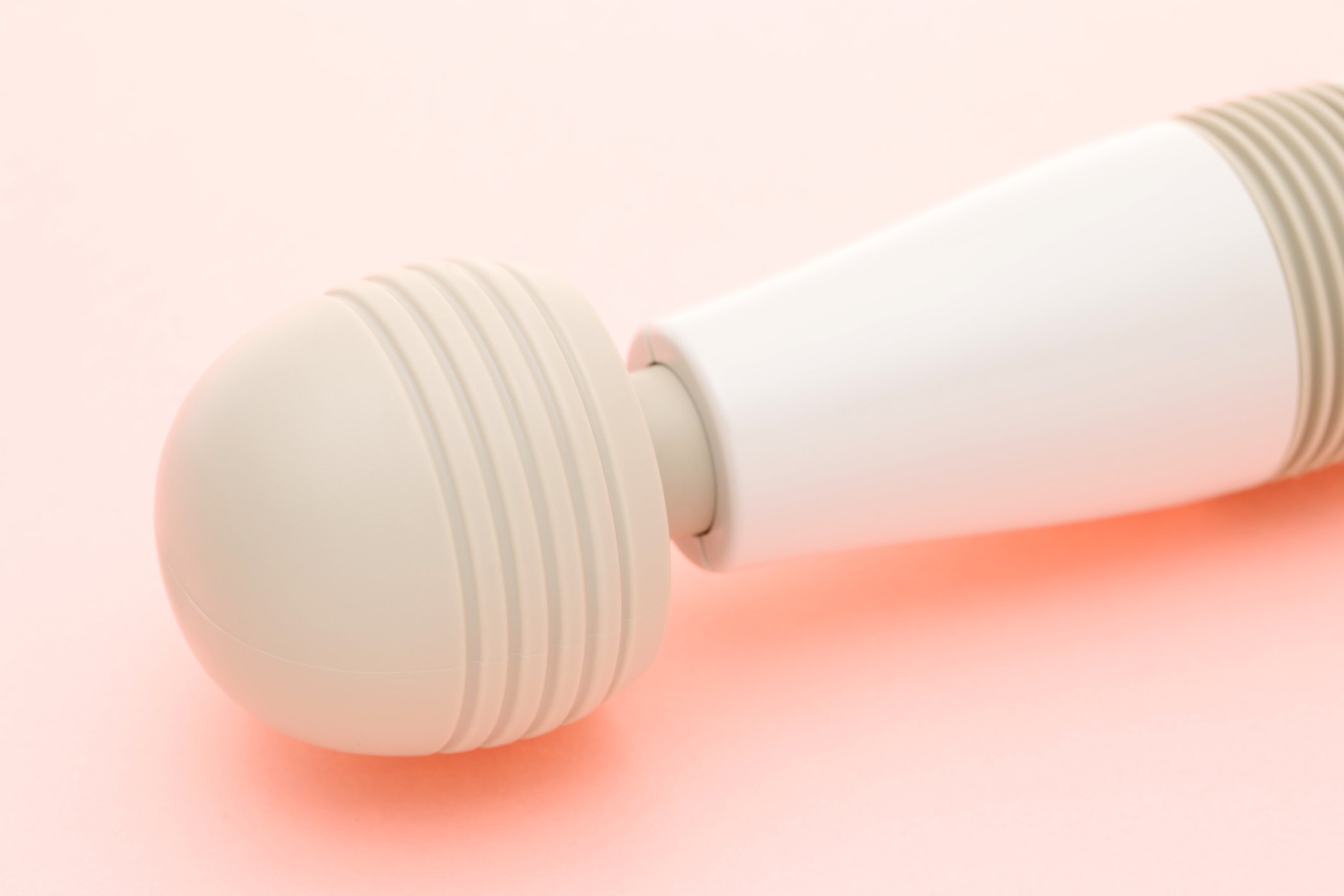
Wednesday December 17, 2025.
There was a time when sex toys were beautifully, reliably stupid.
They vibrated. They stopped vibrating.
That was the entire relationship.
Now they come with apps, updates, permissions, privacy policies, and the quiet sense that something else has joined you in the room—and it isn’t invited.
A recent WIRED article asks the question everyone is trying not to think about: Is your vibrator spying on you?
The short answer is no. The longer, more accurate answer is worse.
App-Connected Sex Toys and Data Collection
Modern sex toys increasingly rely on companion apps to function.
These apps promise customization, long-distance connection, and something vaguely described as an “enhanced experience,” which in tech language usually means we’re collecting data.
According to digital privacy experts cited in the article, these apps may collect usage frequency, intensity settings, behavioral patterns, partner connections, IP addresses, and location data. In other words, not just what you like—but how, when, and how often.
This is not a preferences list.
This is a behavioral record.
What Sexual Behavior Data Really Means
When companies say they collect “sexual behavior data,” they aren’t talking about fantasies or identities. They’re talking about patterns: buttons pressed, modes selected, sessions logged, connections initiated.
Even if you disable access to your microphone, camera, contacts, and GPS, many apps can still track how you interact with the device itself.
You can mute permissions. You cannot mute habits.
And habits, inconveniently, are where your truth lives.
Why Companies Say They Collect This Data
Every company offers the same explanation: product improvement.
If users favor higher intensity settings, future products can vibrate harder. If certain features are popular, marketing can become more “relevant.”
This sounds benign until you remember that relevance is just another word for targeting.
The article also explains how data may be sold to brokers, packaged with other datasets, and resold to advertisers, investigators, or whoever is willing to pay.
Sexual data doesn’t stay intimate for long once it enters the market.
It becomes the inventory of Limbic Capitalism.
Sex Toy Privacy Laws Depend on Where You Live
Here’s where the story becomes aggressively American.
Whether you can opt out of data collection—or even be told your data is being sold—depends on your location.
California residents have protections under state law. Many others do not.
Your data moves freely. Your rights, apparently, do not.
Are Wi-Fi and Smart Sex Toys Safe?
The most sensational examples—Wi-Fi-enabled toys with cameras and default passwords—are largely relics.
Easy villains. Easy outrage.
The real issue now is quieter: ongoing behavioral data collection that feels invisible, technical, and therefore ignorable. Which is exactly why it works.
Surveillance doesn’t need spectacle. It just needs compliance.
How to Protect Your Privacy When Using Sex Tech
The article’s advice is sensible and, like all modern privacy advice, concrete AF, and exhausting:
Read app reviews before downloading.
Scan privacy policies for vague phrases like “trusted partners.”
Use guest modes when available.
Disable unnecessary permissions.
Delete accounts—not just apps—if you want data removed.
All of this is reasonable. None of it is relaxing. Which raises an important question about a product designed for pleasure.
The Real Problem With App-Based Intimacy
The deepest issue here isn’t spying. It’s normalization.
Sex was once one of the few human activities that defaulted to offline. Now it generates logs. Retention policies. Behavioral insights.
Pleasure has entered the productivity mindset. Intimacy has joined the subscription economy. Even your horny solitude is expected to perform.
Your vibrator isn’t judging you. It doesn’t care. Which is worse.
It remembers without understanding, records without context, and stores without forgetting.
You wanted release.
You got a data trail.
Frequently Asked Questions About Sex Toys, Apps, and Data Privacy
Can sex toys really collect personal data?
Yes—if they connect to an app. App-connected sex toys can collect behavioral data such as usage frequency, intensity settings, session duration, and interaction patterns. This doesn’t mean someone is watching you. It means your behavior can be logged, stored, and analyzed.
Are app-connected sex toys listening or recording audio?
Generally, no. Most sex toy apps are not recording audio or video unless the device explicitly includes those features. The more common concern is behavioral data—what buttons you press, how often you use the device, and how you interact with the app.
Which, to be clear, is still plenty.
Can I use a smart sex toy without the app?
Sometimes. Some toys retain basic functionality without their companion app, while others require the app for full use. A growing number of companies now offer “guest mode,” which allows use without creating an account or storing identifiable data.
Guest mode is the unsung hero of modern intimacy.
Does disabling app permissions fully protect my privacy?
No. Turning off permissions like microphone, camera, GPS, or contacts limits device-level access, but it does not prevent the app from collecting behavioral data within the app itself, such as session timing and feature usage.
You can block the windows. The floor plan, unfortunately, still exists.
Can sex toy companies sell my data?
Depending on their privacy policy and your location, yes. Some companies may sell or share anonymized or identifiable data with third parties, including data brokers. Whether you can opt out—or even be notified—depends on local privacy laws.
Romance, like everything else, is subject to jurisdiction. Are you really surprised?
Does deleting the app delete my data?
Usually not. Deleting the app removes it from your phone, but your data may remain on the company’s servers. To fully delete your data, you typically need to delete your account and, in some cases, contact the company directly.
Nothing says “intimacy” like a customer service email.
Are there sex toy brands that take privacy seriously?
Yes. Some companies now offer clear privacy policies, guest usage options, data deletion timelines, and minimal data collection. Reading app reviews and privacy disclosures before purchasing can reveal which brands prioritize transparency.
Privacy is a feature. Look for it like one.
Final Thoughts
This isn’t a call to panic or to throw your devices into the sea.
It’s a reminder to stay conscious in a culture that profits from unconscious agreement.
Sex tech didn’t ruin intimacy.
But it did quietly enroll it in the attention economy of Limbic Capitalism.
And once something starts paying attention to you, it’s worth asking why.
Be Well, Stay Kind, and Godspeed.