Interpretive Trespassing in Relationships: When Your Partner Tells You What Your Feelings “Really” Mean
Thursday, February 26, 2026.
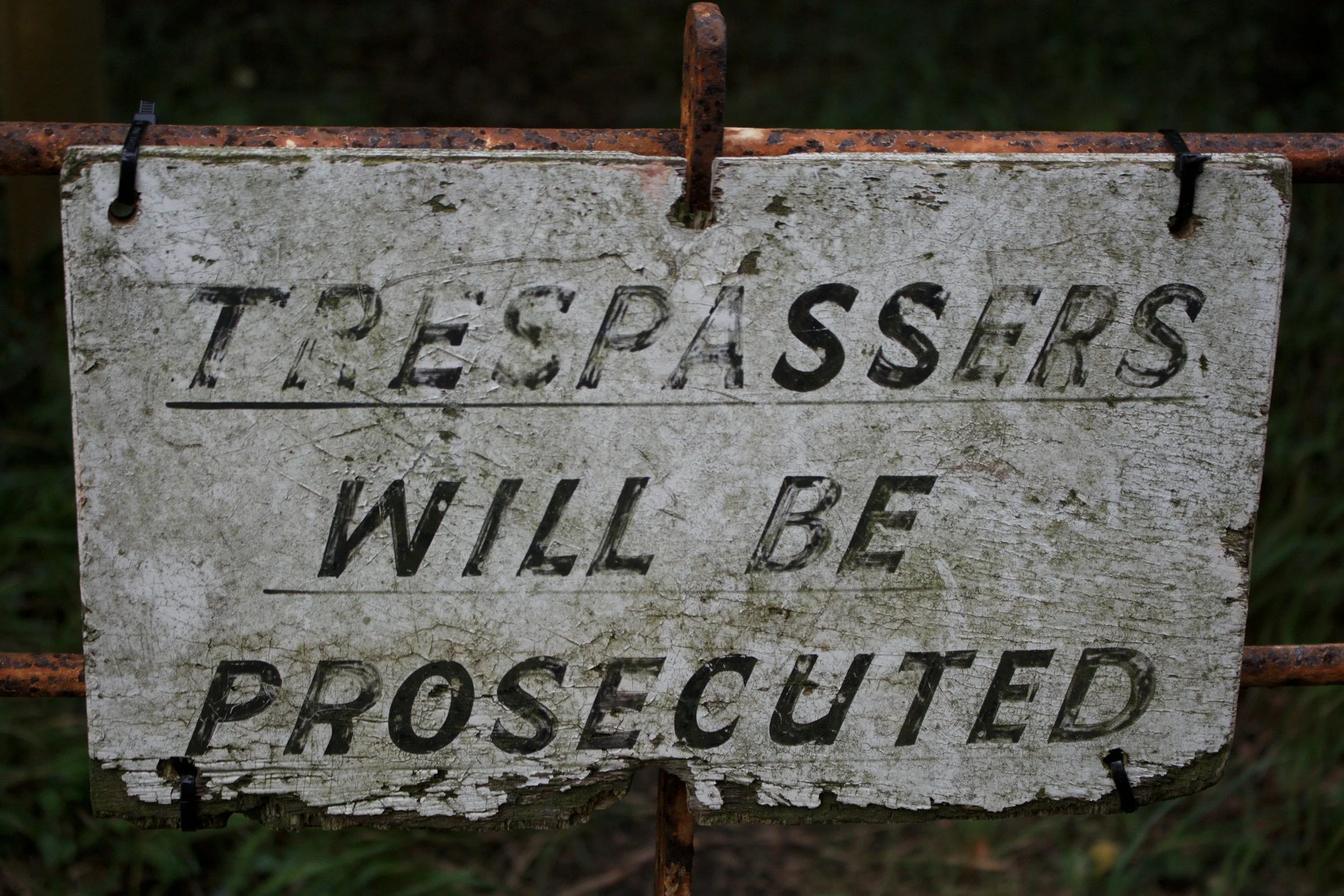
Interpretive trespassing occurs when one partner crosses a largely invisible — but psychologically critical — boundary:
They begin reinterpreting the other person’s private emotional data without permission.
You will hear it immediately once you know how to listen for it:
“You’re not hurt — you’re embarrassed.”
“You didn’t forget — you just don’t care.”
“You’re not overwhelmed — you’re avoiding me.”
“You’re not tired — you’re mad.”
The fight changes the first time your partner stops disagreeing with your position…
…and starts disagreeing with your explanation of your own mind.
At that point, the disagreement is no longer logistical.
It is epistemic.
The Moment of Conversion
Couples often believe they are arguing about:
chores.
tone.
scheduling.
parenting.
finances.
But the argument has quietly shifted from:
“You didn’t take out the trash.”
to:
“You are not allowed to decide why you were upset about the trash.”
Now the issue is no longer behavior.
It is psychological legitimacy.
Who gets to say what a feeling is?
Who is authorized to describe what a reaction signifies?
Who has interpretive rights over another person’s distress?
Interpretive Authority Drift
Over time, interpretive trespassing produces what might be called:
Interpretive Authority Drift —
the gradual transfer of explanatory power from the person having the feeling
to the person observing the reaction.
Eventually, the partner experiencing the emotion becomes the least credible witness to it.
You will hear:
“That’s not what happened.”
“That’s not why I did that.”
“You’re twisting this.”
“You always say I’m something I’m not.”
These are not merely reality disputes.
They are jurisdictional disputes.
The Epistemic Injury
Once interpretive trespassing becomes routine, the injured partner is no longer fighting to be agreed with.
They are fighting to be allowed to know what they feel.
This is the quiet collapse of epistemic safety:
The felt permission to have one’s internal experience treated as psychologically real — even when it is inconvenient, poorly timed, or socially awkward.
Without epistemic safety:
Curiosity becomes defense.
Disclosure becomes risk.
Repair becomes confession.
Many couples begin performing agreement in public while privately disputing one another’s emotional credibility.
Stability is signaled outwardly.
But internally, interpretive jurisdiction has already fractured.
Why Weekly Conversation Stops Working
Interpretive trespassing alters the interpretive rules of the relationship itself.
Every attempt at repair becomes vulnerable to reinterpretation:
“You’re apologizing because you want this to be over.”
“You’re crying because you want sympathy.”
“You’re saying that because your therapist told you to.”
Even reconciliation is reclassified as manipulation.
The couple is no longer disagreeing inside a shared reality.
They are negotiating which realities are permitted to exist.
Spontaneous repair begins to fail.
Not because the couple lacks goodwill—
—but because they no longer agree on who is authorized to explain distress.
A Therapist’s Note
When partners begin to interpret one another’s motives more confidently than they can describe their own feelings, the relationship has usually entered a phase where unstructured repair attempts do more harm than good.
These patterns rarely resolve through weekly conversation alone because they do not simply concern communication.
They concern interpretive authority.
In our intensive format — which includes 5–7 hours of structured Zoom preparation followed by one or two full days of on-site intervention — we work to restore epistemic safety by renegotiating the interpretive boundaries that make emotional repair possible in the first place.
If this dynamic feels familiar, you may wish to begin with the contact form after you read the Couples Therapy Now page.
Be Well. Stay Kind, and Godspeed.