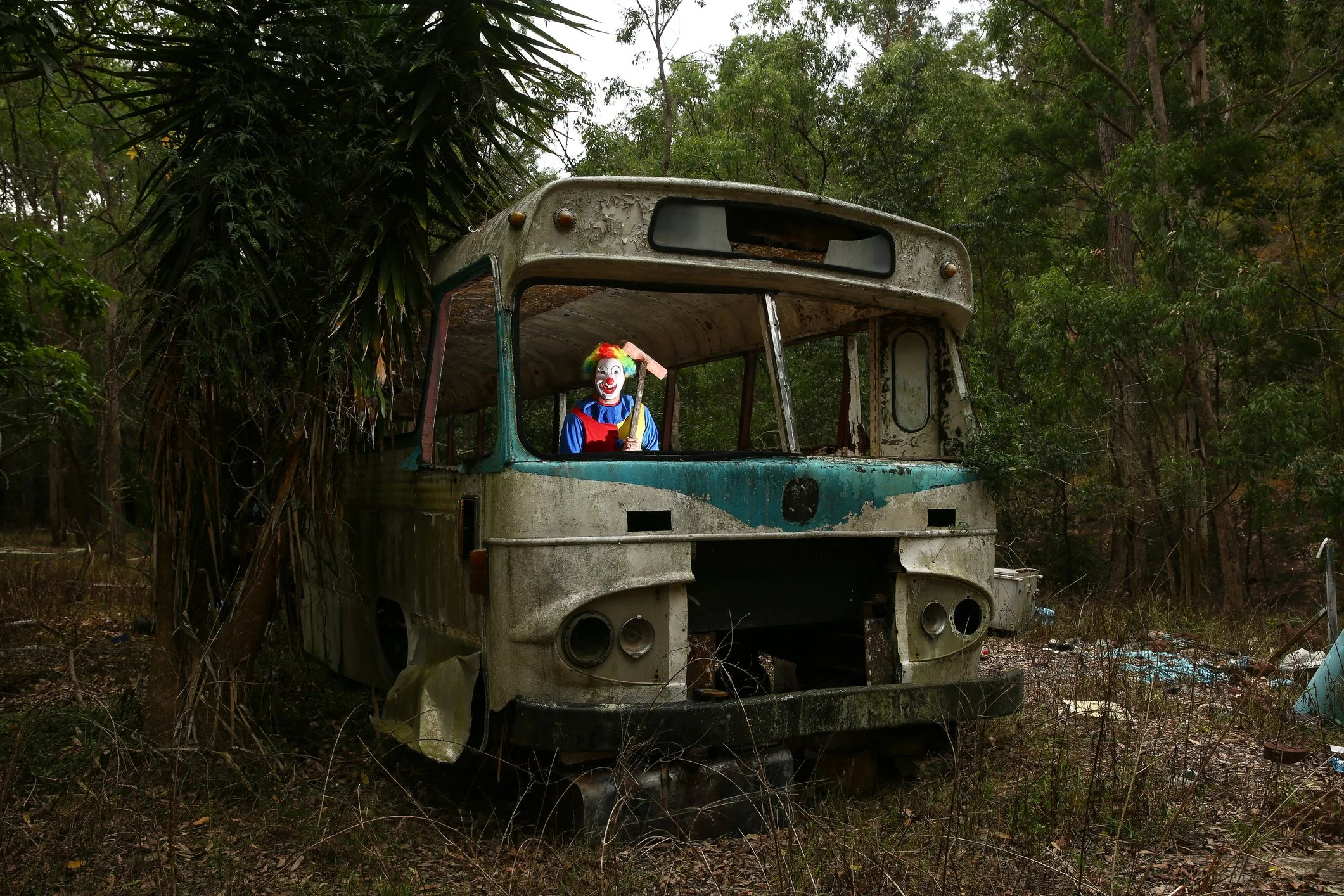
Monday January 5, 2026. 2:44 am NYC, West Chelsea. Had a wonderful time at a client’s wedding. The idea for this post suddenly came upon me. With a nod to KAM.
There is a fantasy most of us quietly carry that other people are doing life on purpose.
That they selected their temperament, their childhood, their nervous system, their coping style.
That somewhere, at the beginning, there was a menu.
There wasn’t.
We didn’t choose the bus.
We didn’t choose the route.
We didn’t choose who sat next to us, or who taught us how to sit at all.
We just boarded—crying, confused, half-asleep—and have been squirming in our seats ever since, waiting for the ride to end.
This is not pessimism.
This is realism with its sleeves rolled up.
The Great Misunderstanding: That Other People Are Volitional Masterpieces
Modern culture quietly teaches us that adults are self-authored projects.
That by now—after therapy, books, podcasts, journaling—we should be finished products.
So when someone disappoints us, we assume intent.
When they fail, we assume laziness.
When they hurt us, we assume malice.
We rarely assume what is far more common:
They are improvising with bad instructions.
Most people are not making choices so much as executing inherited scripts under stress, scripts written by:
early caregivers,
economic pressure,
trauma,
temperament,
and timing.
None of which were voted on.
Compassion begins where the fantasy of mastery ends.
Why Everyone Looks So Bad Under Fluorescent Lighting
Life is not a heroic journey.
It is a long commute.
People look worse on the bus:
tired,
defensive,
ungracious,
oddly territorial about their seat.
That’s not their best self.
That’s their nervous system trying to get through another stop.
When we demand moral elegance from people in survival mode, we misunderstand the assignment.
Most cruelty is not characterological.
It is often overcrowding.
Compassion Is Not Approval (This Is Where People Get Stuck)
Compassion has been rebranded as permissiveness, which is unfortunate and incorrect.
Compassion does not mean:
excusing harm,
erasing accountability,
or pretending pain didn’t happen.
It means recognizing that harm is often the byproduct of unfinished business, not villainy.
You can hold boundaries and hold context.
You can say no without needing a prosecution narrative.
Compassion is not saying, “This was fine.”
It is saying, “This makes sense—and it still cannot continue.”
That distinction alone would save many relationships, and end a few that should end.
Why We Reserve Compassion for Children and Dogs (But Not Each Other)
We are effortlessly compassionate toward children because we accept they are unfinished.
We are compassionate toward dogs because we accept they are simple and live in the moment..
Adults fall into an uncomfortable category:
We expect them to be complete, but they aren’t.
We expect them to be rational, but they can’t always be.
So we punish them for being human after development.
The truth is simpler and more uncomfortable:
Adulthood does not end vulnerability.
It just disguises it.
The Quiet Relief of Realizing No One Is Driving the Bus
There is something deeply calming about realizing that no one has a master plan—not your partner, not your parents, not you.
Everyone is:
adjusting posture,
scanning exits,
reacting to old jolts,
hoping the next stop is quieter.
This realization does not cheapen responsibility.
It humanizes it.
Compassion is what happens when you stop asking,
“Why are they like this?”
and start asking,
“What kind of ride would produce this?”
Final thoughts
In couples therapy, I often see people locked in moral combat over behaviors that make perfect sense once their routes are visible.
Compassion won’t get you off the bus. It just makes the ride survivable.
If you are trying to love someone whose seat assignment has been rough,
or if you are trying to understand why you keep reacting the same way no matter how much insight you gain,
this is the work.
You don’t need more self-improvement.
You need context, containment, and a steadier frame.
If you want help making sense of your particular ride—without blame, without theatrics—you know where to find me.
We are all bozos on this bus.
Some of us learned manners early.
Some of us were knocked sideways before we could sit up straight.
None of us chose the route.
None of us control the stops.
The least we can do is stop pretending this is a luxury tour—and offer each other a little grace while the wheel of time keeps turning.
Be Well, Stay Kind, and Godspeed.